Luxor
Often referred to as the world's greatest open-air museum, Luxor sits on the banks of the Nile River in Upper Egypt and serves as the site of the ancient city of Thebes. This remarkable destination is
Overview
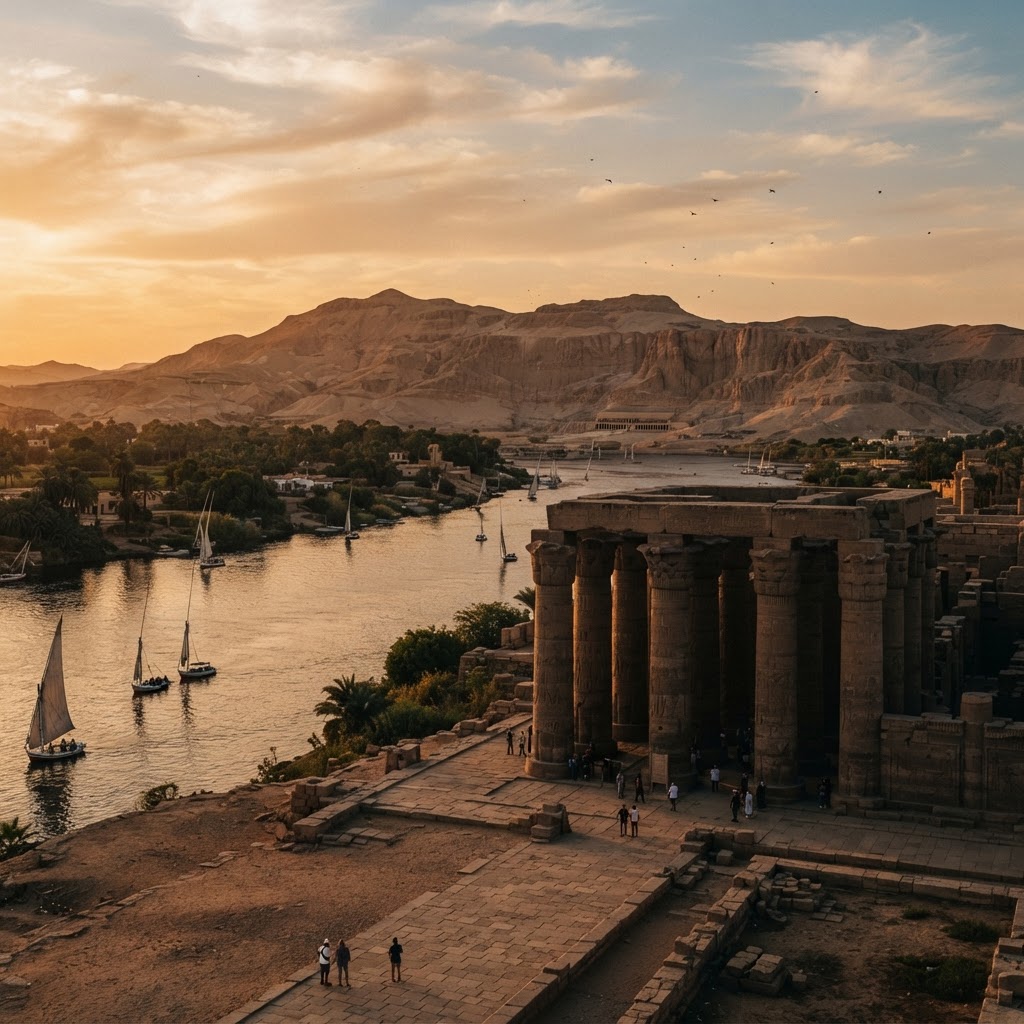
Often referred to as the world's greatest open-air museum, Luxor sits on the banks of the Nile River in Upper Egypt and serves as the site of the ancient city of Thebes. This remarkable destination is divided by the Nile into the East Bank and the West Bank, each offering a unique perspective on the glorious history of the pharaohs. The East Bank is characterized by the living city and the grand temples of Karnak and Luxor, which were once the religious epicenters of the ancient world. Walking through the hypostyle hall at Karnak is a transcendental experience that conveys the immense architectural ambition of the New Kingdom. Conversely, the West Bank is a realm of the dead, home to the Valley of the Kings, the Valley of the Queens, and numerous mortuary temples carved into the rugged cliffs of the desert. Luxor is not just a destination for history buffs; it is a place where the modern pulse of Egyptian life beats alongside the silent, enduring stone giants of the past. Visitors find themselves transported back in time as they explore intricately decorated tombs where colors remain as vibrant as they were thousands of years ago. The city offers a profound sense of scale and majesty that is unparalleled anywhere else on earth. Whether you are arriving by a traditional felucca boat on the Nile at sunset, enjoying the vibrant local souks, or marveling at the towering colossi of Memnon, Luxor leaves an indelible mark on the soul of every traveler, cementing its status as an essential stop on any Egyptian journey.
Top Attractions
- Karnak Temple Complex: This massive collection of temples, chapels, and pylons is dedicated to the Theban Triad and is famous for its colossal hypostyle hall.
- Valley of the Kings: A sprawling necropolis housing the hidden tombs of pharaohs, including the famous burial site of Tutankhamun.
- Luxor Temple: Located in the heart of the city, this beautifully preserved temple is especially stunning when illuminated at night.
- Temple of Hatshepsut: This unique mortuary temple is built into the limestone cliffs of Deir el-Bahari and honors the powerful female pharaoh.
- Colossi of Memnon: These two massive stone statues of Pharaoh Amenhotep III stand as the remains of what was once the largest temple in ancient Egypt.
Things to Do
- Take a sunrise hot air balloon flight over the West Bank to see the desert landscape and ancient ruins from an incredible bird's-eye perspective.
- Ride a traditional felucca along the Nile River during sunset to experience the serene beauty of the city's waterfront.
- Explore the vibrant Luxor Souq to purchase authentic spices, handicrafts, and local textiles while practicing your bartering skills.
- Visit the Mummification Museum to learn about the fascinating ancient process and the religious significance of afterlife preparations.
- Enjoy an evening sound and light show at Karnak Temple to hear the dramatic history of the site narrated under the desert stars.
Explore on the Map
Key locations and points of interest to help you visualize your journey.


Travel Information
Luxor is well-connected to Cairo via frequent domestic flights and overnight sleeper trains, making it easily accessible for international travelers. The best time to visit is during the cooler months, from October to April, when temperatures are pleasant enough to spend entire days exploring the outdoor archaeological sites. Summer months can be intensely hot, often reaching over 40 degrees Celsius, which can make extensive site visits quite challenging. Visitors should prioritize comfortable walking shoes, plenty of bottled water, and high-quality sun protection, including hats and sunscreen. English is widely understood in the tourist hubs, though learning a few basic Arabic phrases is appreciated by locals. For transportation within the city, local taxis, river ferries, and horse-drawn carriages are available. It is advisable to agree on prices for taxis and carriages before starting your journey. Luxor is generally safe for tourists, though maintaining a respectful demeanor and modest dress, especially when visiting religious areas, is highly encouraged. Currency is the Egyptian Pound, and while cards are accepted in larger hotels, carrying cash for smaller purchases and tips is essential for a smooth travel experience.
Travel Guide
FAQ
What is the best time of year to visit Luxor?
The ideal time is between October and April to avoid the extreme summer heat.
How many days do I need in Luxor?
A minimum of three full days is recommended to cover both the East and West Banks.
Is it safe for tourists?
Yes, Luxor is considered safe, with a heavy security presence focused on tourist sites.
Can I drink the tap water?
No, it is highly recommended to stick to bottled water throughout your stay.
Should I hire a guide?
A knowledgeable Egyptologist guide is highly recommended to fully appreciate the complex history of the ruins.
