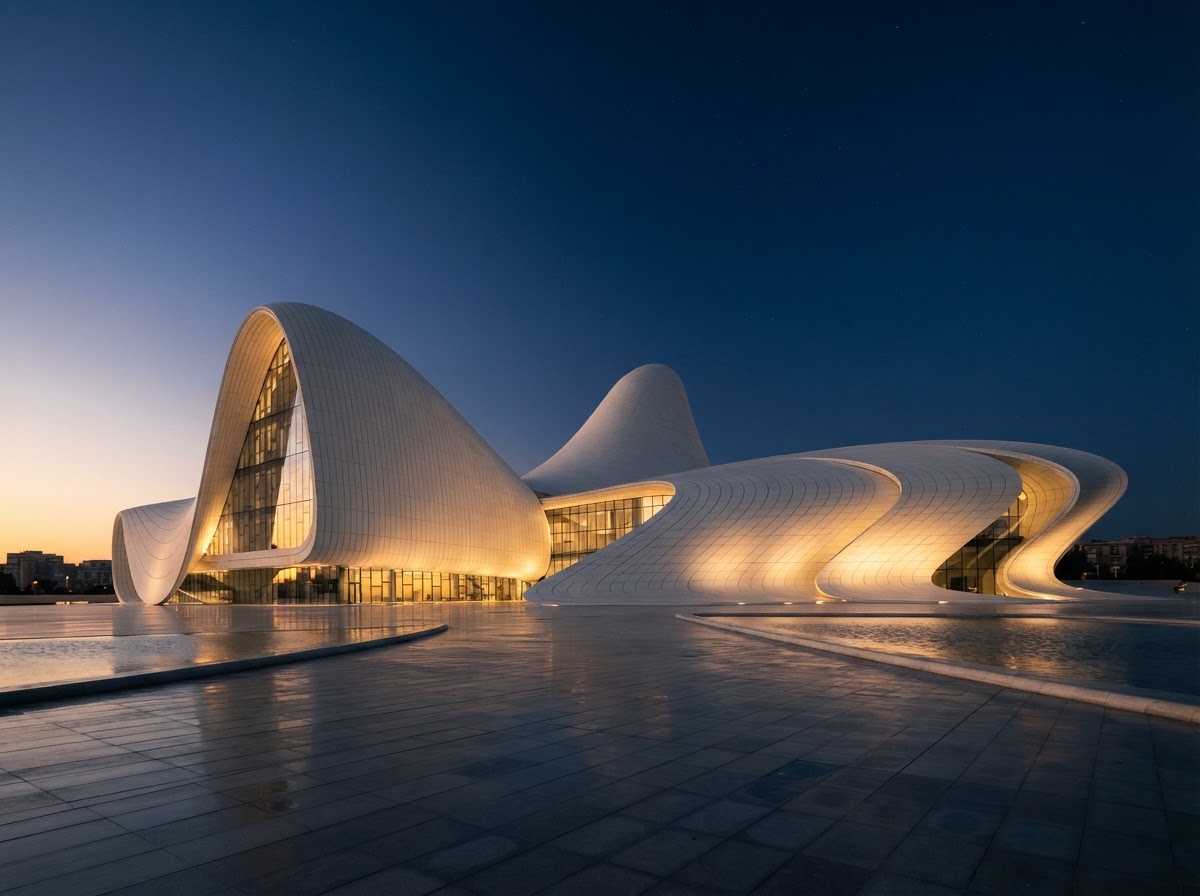
Azerbaijan
The Land of Fire — Caspian shores, Caucasus mountains and Silk Road heritage.
Azerbaijan in Photos

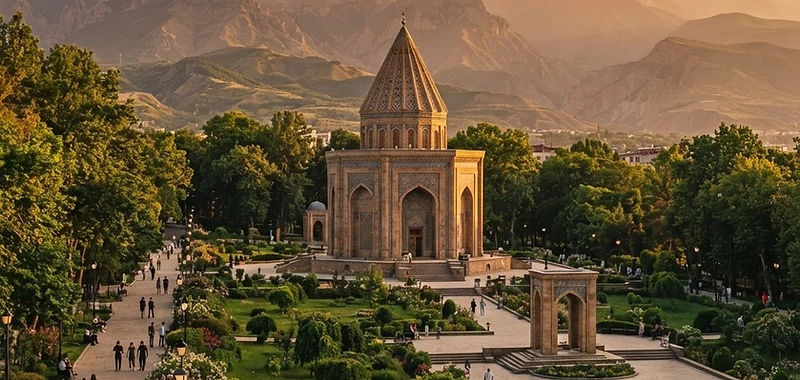

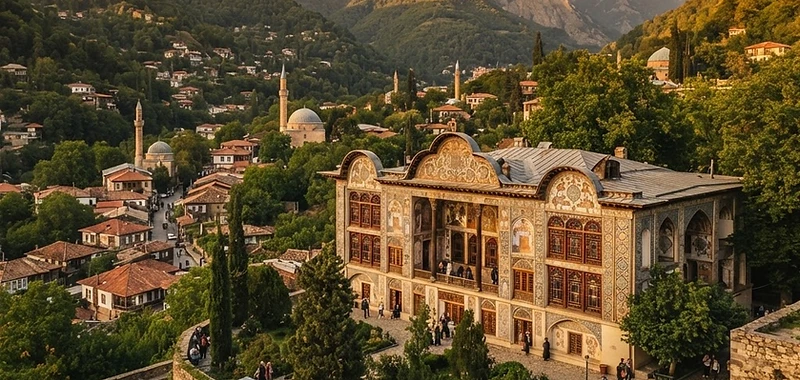

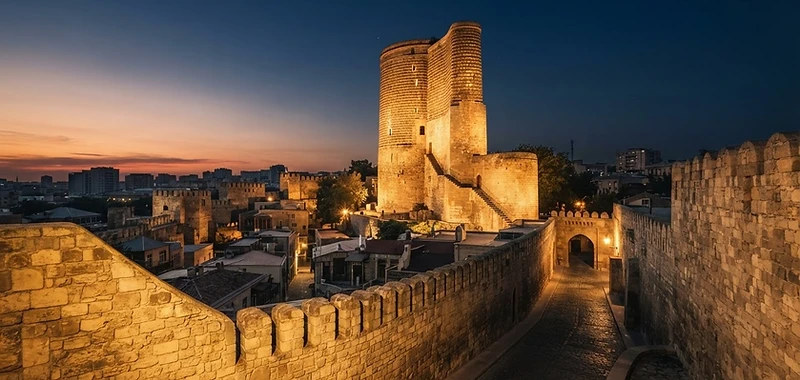

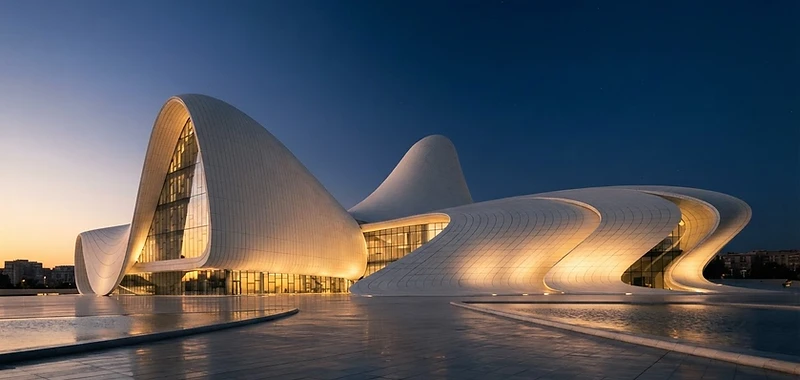


Overview
Azerbaijan blends the modern skyline of Baku with ancient Silk Road towns, mud volcanoes, mountain resorts and a deep culinary tradition.
Top Attractions
- Baku
- Gabala
- Sheki
- Quba
- Shahdag
- Gobustan
Explore on the Map
Key locations and points of interest to help you visualize your journey.
Travel Information
Visa-free or e-Visa for many nationalities. Best time: April–June and September–November. Currency: AZN.
Travel Guide
Best Time to Visit
The best time to visit Azerbaijan is during the spring (April to June) and autumn (September to October). During these months, temperatures are mild and pleasant, typically ranging from 18°C to 29°C, making it ideal for exploring Baku’s architecture, hiking in the Caucasus Mountains, or visiting rural villages. Spring brings blooming wildflowers and lush landscapes, while autumn offers golden foliage and harvest festivals. Summer can be quite hot, especially in Baku and the lowlands, though it remains a popular time for mountain trekking. Winter is generally cooler and wetter, though it is a great time for budget travelers and those interested in winter sports in the northern regions. Overall, the shoulder seasons provide the most comfortable weather for cultural excursions and outdoor activities across the country's diverse climate zones.
Getting There
The primary gateway to Azerbaijan is Heydar Aliyev International Airport (GYD) in Baku, which serves as the main hub for Azerbaijan Airlines (AZAL) and several international carriers. Direct flights connect Baku to major cities across Europe, the Middle East, and Asia. For those traveling overland, borders with neighboring countries like Georgia are commonly used, though travelers should always check the latest status of land border crossings, as they can be subject to temporary closures. It is essential to secure a visa before arrival; most international visitors can obtain an e-visa through the official ASAN Visa system, which is typically processed within three working days. Always verify current entry requirements and travel advisories from your home country's foreign ministry before booking your travel, as regulations can change.
Getting Around
Getting around Azerbaijan is relatively straightforward. In Baku, the metro system is efficient, affordable, and clean, requiring a reloadable BakuCard for access. For shorter trips within the city, ride-hailing apps like Uber are widely available, reliable, and cost-effective. For travel between cities, 'marshrutkas' (shared mini-vans) are the most common and economical mode of transport, connecting almost every town in the country. While they do not follow a strict schedule and depart once full, they offer an authentic local experience. Trains are available on specific routes, such as the line between Baku and Ganja. For those seeking more flexibility, car rentals are an option, though driving in rural mountainous areas requires caution. Walking is highly feasible and recommended within the historic center of Baku, which is largely pedestrian-friendly.
Weather & Climate
Azerbaijan features a remarkably diverse climate, encompassing nine of the world's eleven climate zones. The lowlands, including Baku, experience hot, dry summers and mild, relatively wet winters. Temperatures in the capital can exceed 30°C in July and August, while winter temperatures hover around 5°C to 10°C. In contrast, the mountainous regions of the Caucasus are significantly cooler, with snowy winters and pleasant, mild summers. When packing, it is best to dress in layers. For spring and autumn, bring light jackets and comfortable walking shoes. Summer requires breathable, lightweight clothing, sunglasses, and sunscreen. If you plan to visit the mountains or travel during the winter months, ensure you pack warm thermal layers, a heavy coat, and sturdy, waterproof footwear to handle the varying terrain and cooler temperatures at higher elevations.
Currency & Costs
The local currency is the Azerbaijani Manat (AZN). While credit and debit cards are widely accepted in hotels, upscale restaurants, and major shopping malls in Baku, it is highly recommended to carry cash for smaller purchases, local markets, and travel in rural areas. ATMs are readily available throughout the capital and larger towns, making it easy to withdraw local currency. Currency exchange offices are common, and it is advisable to exchange major currencies like USD or EUR. The daily budget for a traveler can vary significantly; budget travelers can manage comfortably on a modest daily amount by utilizing public transport and local eateries, while those seeking luxury accommodations and fine dining will find prices comparable to other major European cities. Always keep your receipts if you plan to exchange leftover Manat back to foreign currency.
Language
The official language of Azerbaijan is Azerbaijani, a Turkic language. In the capital city of Baku, English is increasingly spoken, particularly among the younger generation, in the tourism sector, and at major hotels and restaurants. Russian is also widely understood and spoken, especially by older residents, due to the country's history. While you can navigate the capital with English, learning a few basic phrases in Azerbaijani—such as 'salam' (hello) and 'sag ol' (thank you)—is greatly appreciated by locals and can significantly enrich your travel experience. Outside of Baku, English proficiency drops, so having a translation app or a small phrasebook on hand is a practical idea for navigating rural areas or interacting with local vendors and transport drivers.
Safety Tips
Azerbaijan is generally considered a safe destination for tourists, with low rates of street crime. However, travelers should exercise normal safety precautions, such as being aware of their surroundings in crowded areas. It is important to stay informed about regional political tensions, particularly regarding border areas, and to avoid any regions that are officially restricted or subject to travel warnings. Emergency services can be reached by dialing 112. Health-wise, ensure you have comprehensive travel insurance that covers medical emergencies. While tap water is generally not recommended for drinking, bottled water is cheap and widely available. Always respect local laws and customs to avoid legal complications. It is also advisable to register your travel plans with your embassy if required by your home country.
Food & Drink
Azerbaijani cuisine is a highlight of any trip, known for its rich flavors, fresh herbs, and high-quality ingredients. Must-try dishes include 'plov' (a fragrant saffron-infused rice dish with meat and dried fruits), 'dolma' (stuffed grape leaves), and 'qutab' (thin savory pancakes filled with greens, meat, or cheese). Tea culture is central to social life; it is traditionally served in pear-shaped glasses called 'armudu' alongside sweets like 'pakhlava' or 'shekerbura'. Dining options range from affordable local 'chaikhanas' (tea houses) and street food stalls to sophisticated fine-dining restaurants in Baku that offer modern interpretations of traditional recipes. Tipping is appreciated but not strictly mandatory; a service charge is sometimes included in the bill, but leaving an additional 5-10% for exceptional service is a common practice.
Local Culture & Customs
Azerbaijani culture is a unique blend of Eastern and Western influences, characterized by deep-rooted traditions and warm hospitality. While the country is secular, it is predominantly Muslim, and visitors should dress modestly, especially when visiting mosques or rural villages—shoulders and knees should be covered. Photography is generally welcomed, but always ask for permission before taking photos of locals, particularly in more conservative areas. Social etiquette emphasizes respect for elders and hospitality toward guests. During social gatherings, it is customary to remove your shoes when entering a home. The country is proud of its history, including its carpet-weaving traditions and musical heritage, such as 'mugham'. Engaging with locals and showing interest in their customs will often lead to a more rewarding and authentic travel experience.
Practical Information
Most visitors require a visa to enter Azerbaijan; the e-visa system is the most convenient method for many nationalities. Ensure your passport is valid for at least six months beyond your stay. The electrical system uses 220V with Type C and F plugs, so bring a universal adapter if your devices require a different configuration. Internet access is excellent in Baku, with many cafes and hotels offering free Wi-Fi; purchasing a local SIM card upon arrival is an affordable way to stay connected. Shopping hours are generally long, with many stores open until late in the evening. Tipping is not mandatory but is a polite gesture in restaurants. Finally, remember that exporting cultural artifacts like antique carpets requires an official export certificate, so always check with the seller before purchasing.
FAQ
Do I need a visa to visit Azerbaijan?
Yes, most foreign citizens require a visa. The easiest way to obtain one is through the official ASAN Visa e-visa system, which is typically processed within three working days.
Is it safe to travel to Azerbaijan?
Azerbaijan is generally safe for tourists, but travelers should stay informed about regional political developments and avoid restricted border areas.
What is the best way to get around Baku?
The Baku Metro is the most efficient public transport, while ride-hailing apps like Uber are highly recommended for convenient and affordable taxi travel.
Can I use my credit card in Azerbaijan?
Credit cards are widely accepted in hotels, malls, and restaurants in Baku, but it is essential to carry cash for smaller shops and travel in rural areas.
What should I wear in Azerbaijan?
Dress modestly, especially in rural areas and religious sites. In Baku, casual and modern attire is common, but it is always respectful to keep shoulders and knees covered.
