Sheki
Nestled at the foot of the Greater Caucasus Mountains, Sheki is widely considered the crown jewel of Azerbaijan’s tourism. Known for its distinct architectural heritage, lush landscapes, and thriving
Overview
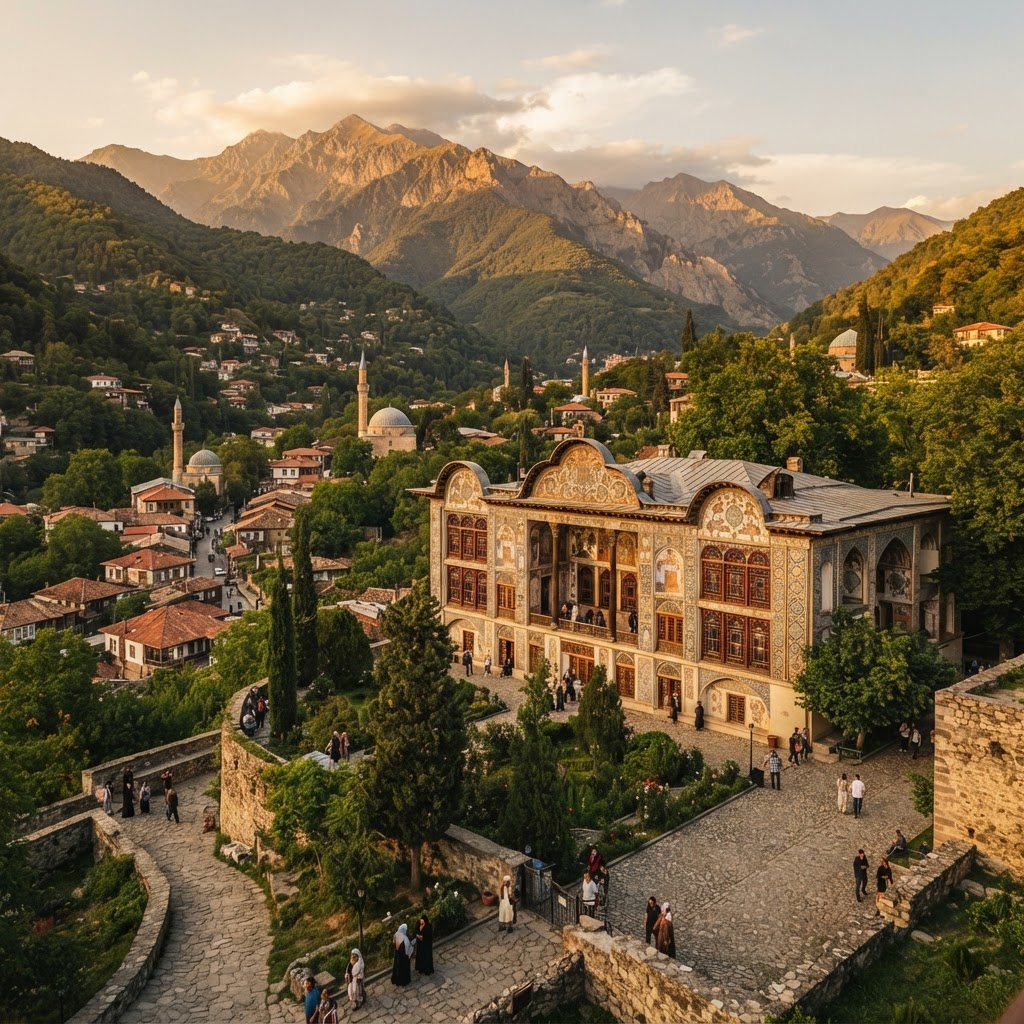
Nestled at the foot of the Greater Caucasus Mountains, Sheki is widely considered the crown jewel of Azerbaijan’s tourism. Known for its distinct architectural heritage, lush landscapes, and thriving craft traditions, Sheki feels like a step back in time. The city is perhaps most famous for the Sheki Khan’s Palace, a stunning 18th-century structure that showcases intricate shebeke (stained glass set in wooden lattices) and elaborate interior frescoes that have survived for centuries. The history of the city is inextricably linked to the Silk Road, as Sheki was once a major commercial center where merchants from East and West converged to trade their wares. This historical importance is preserved in the city's ancient caravanserai, where travelers once rested; today, parts of this historic building have been repurposed into a hotel, allowing visitors to sleep within the same walls that once sheltered nomadic traders. The air in Sheki is remarkably crisp and clean, infused with the scent of mountain forests and the sweet aroma of local pastry shops. Beyond its architecture, Sheki is the epicenter of Azerbaijani silk production and traditional sweets, particularly the famous Sheki halva, a rich, nutty treat that is a must-try for every visitor. As you wander through the narrow, cobblestone streets of the upper town, you will encounter artisans perfecting their crafts, from copper smithing to traditional embroidery. Sheki is not just a destination; it is an sensory experience that blends historical grandeur with the gentle pace of mountain life. Whether you are trekking in the nearby foothills, marveling at the artistry of the Khan’s Palace, or sitting with a cup of local tea, Sheki offers a serene and culturally rich retreat that defines the essence of Azerbaijani mountain charm.
Top Attractions
- Sheki Khan’s Palace: An architectural masterpiece renowned for its breathtaking stained-glass shebeke windows and intricate wall paintings.
- Upper Caravanserai: A massive, well-preserved 18th-century structure that formerly housed traveling merchants and their camels.
- Sheki History Museum: A fascinating repository of local artifacts, clothing, and historical items documenting the city’s Silk Road past.
- Gelersen-Gorersen Fortress: A historic fortification located on the banks of the Kish River, offering both historical intrigue and scenic views.
- Kish Village and Church: Visit this nearby ancient village to see one of the oldest churches in the Caucasus region.
Things to Do
- Taste Sheki Halva: Visit a traditional shop to watch the unique preparation process of this honey-soaked, nutty dessert.
- Shop for Crafts: Browse the local workshops to buy authentic silk scarves and handmade copper household items.
- Stay in a Caravanserai: Book a room at the historic caravanserai to enjoy a unique, immersive experience sleeping in ancient chambers.
- Trek in the Foothills: Explore the surrounding mountain trails for spectacular views of the Caucasus and the green valley below.
- Participate in a Cooking Class: Learn the secrets of regional Azerbaijani cuisine, specifically focusing on local mountain herbs and traditional breads.
Explore on the Map
Key locations and points of interest to help you visualize your journey.








Travel Information
Sheki is located approximately 300 kilometers northwest of Baku. The most common way to reach the city is by bus from Baku's international bus terminal, a journey that takes about five to six hours through scenic rural landscapes. Private taxi services are also available for those who prefer more flexibility. Once inside Sheki, the central historical area is best explored on foot, as many of the sites are clustered near each other. For longer distances, local taxis are affordable and reliable. The city is best visited in late spring when the valleys are green and flowers are in bloom, or in autumn when the forests turn shades of gold. Since Sheki is a mountainous destination, it is advisable to bring layers, as temperatures can drop significantly in the evenings. Accommodation in Sheki is quite special; you can choose between converted historical buildings, rustic mountain chalets, or modern boutique hotels. As in the rest of Azerbaijan, the official currency is the Manat. Cash is essential for buying local handicrafts or buying sweets from smaller stalls. While Azerbaijani is the primary language, the hospitable residents often understand Russian, and younger generations are becoming increasingly proficient in English. Sheki is a peaceful destination where travelers are encouraged to slow down and enjoy the natural environment.
Travel Guide
FAQ
What is the most famous food to try in Sheki?
You must try the traditional Sheki halva, which is a unique and delicious pastry made with rice flour, sugar, and hazelnuts.
How many days should I spend in Sheki?
Two to three days is ideal to fully explore the historic palace, the village of Kish, and enjoy the relaxed pace of the city.
Can I buy authentic silk in Sheki?
Yes, Sheki has a long history of silk production, and you can purchase high-quality, authentic silk scarves in local shops.
Is it easy to find a guide in Sheki?
Yes, many local guides are available to show you around the Khan's Palace and help explain the history of the region.
Are there mountains nearby for hiking?
Absolutely; the city is located at the foot of the Caucasus Mountains, providing easy access to numerous trails.
