Uzbekistan
The heart of the Silk Road — turquoise-tiled wonders.
Uzbekistan in Photos


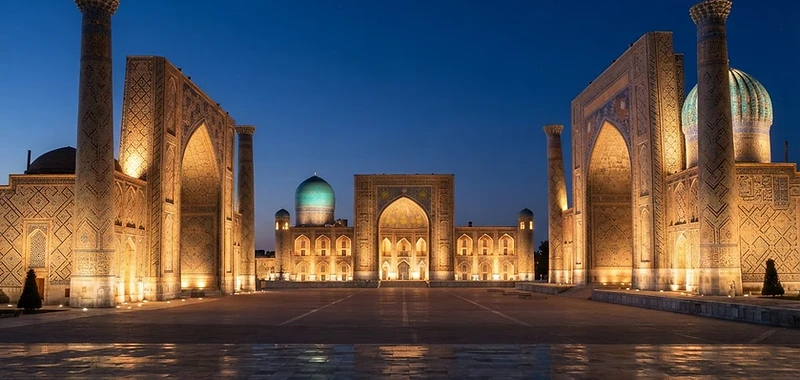
Overview
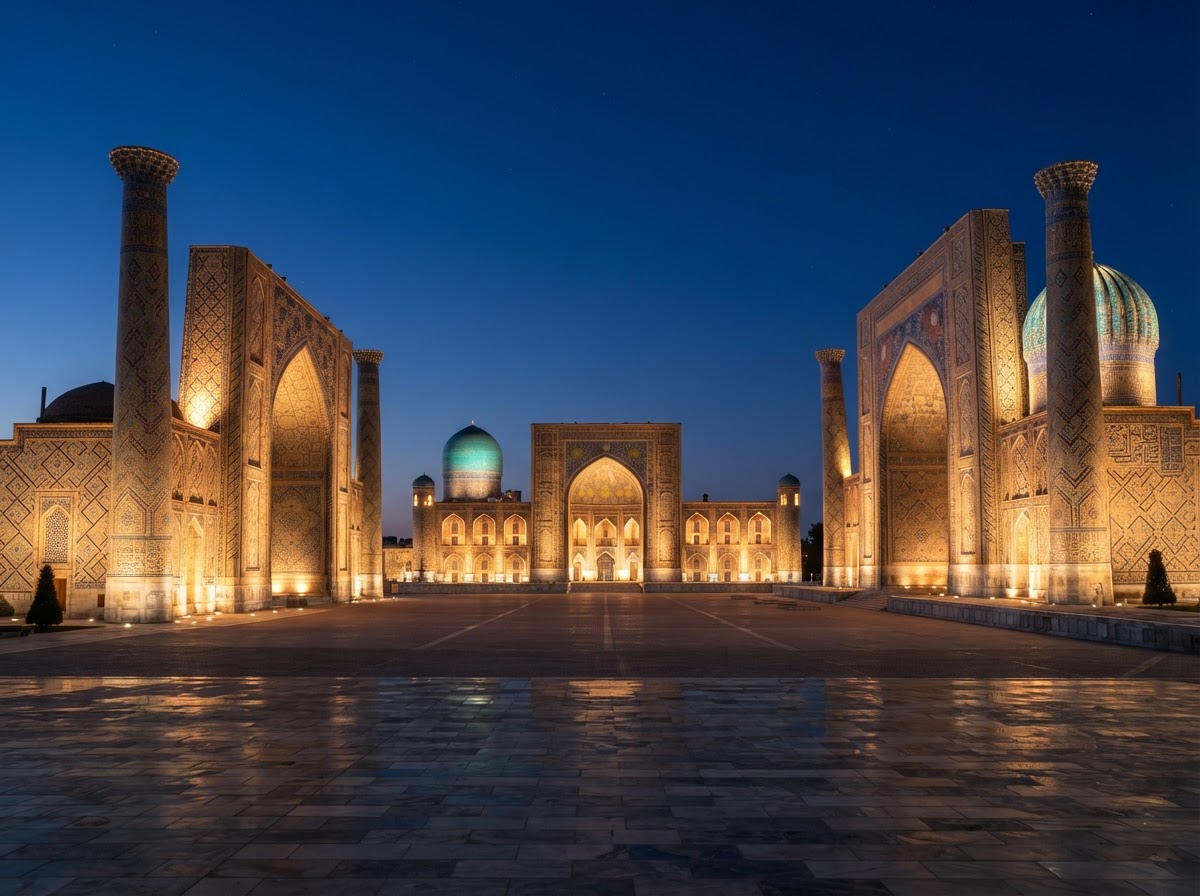
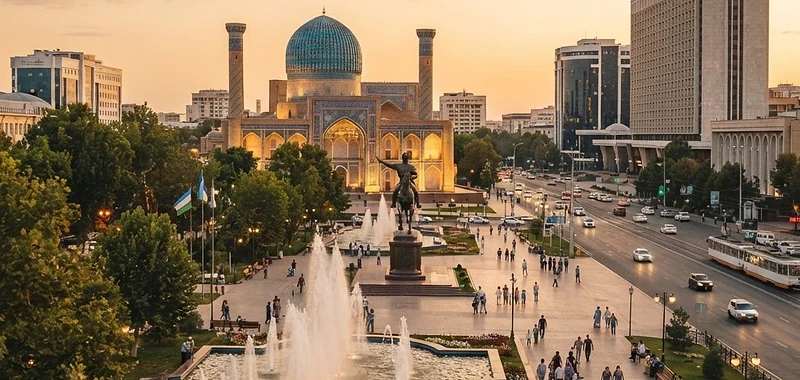
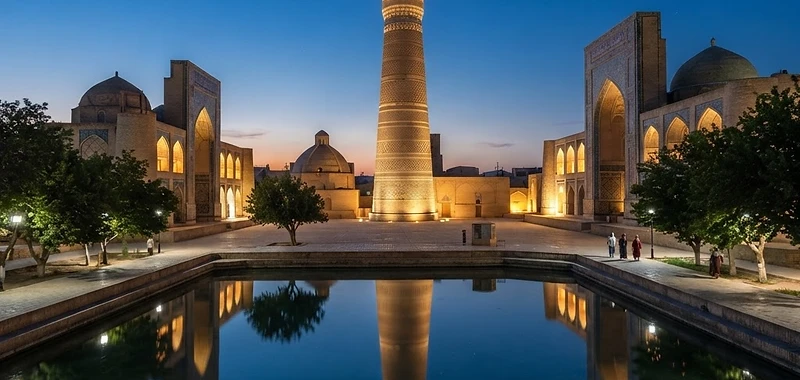
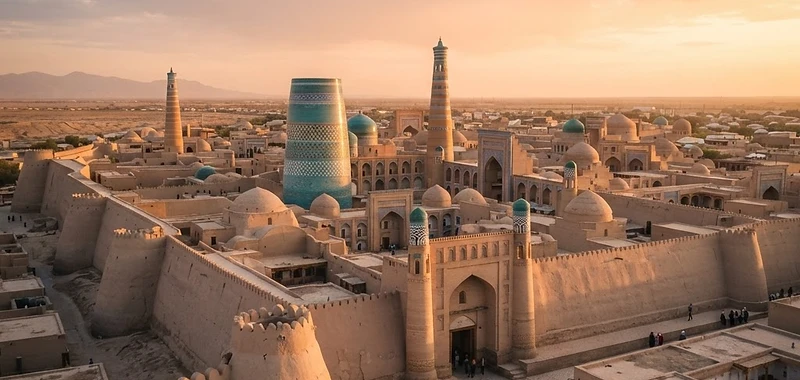
Uzbekistan is the heart of the Silk Road, where turquoise-domed mosques, towering minarets, and medieval madrasas transport travelers to a bygone era. Samarkand's Registan Square is one of the world's most spectacular public spaces, Bukhara's old town is a living museum of 2,500 years, and Khiva's walled Itchan Kala is a perfectly preserved desert citadel. With new high-speed trains connecting the golden triangle, Uzbekistan is easier to explore than ever.
Top Attractions
- Tashkent
- Samarkand
- Bukhara
- Khiva
Explore on the Map
Key locations and points of interest to help you visualize your journey.


Travel Information
Visa-free for 90+ countries including EU, UK, US, and CIS. Best time to visit: April–June and September–October. Currency: Uzbek Som (UZS). Uzbek and Russian widely spoken; English in tourist areas. Tashkent International Airport (TAS) is the main hub. Safe and welcoming. Drink bottled water.
Travel Guide
Best Time to Visit
The optimal time to visit Uzbekistan is during the spring (late March to May) and autumn (September to early November). During these shoulder seasons, the weather is pleasantly warm and dry, perfect for exploring the architectural wonders of the Silk Road. Spring brings blooming landscapes and the vibrant Navruz festival, while autumn offers comfortable temperatures and harvest-season bounty. Summer months (June–August) can see temperatures exceed 40°C, making outdoor sightseeing challenging. Winter (December–February) is the low season; while cold and occasionally snowy, it offers minimal crowds and is ideal for budget travelers or those interested in winter sports at the Amirsoy Mountain Resort. Major cultural events like the Silk and Spices Festival in Bukhara and the Boysun Bahori festival are highlights that showcase the country's rich intangible heritage.
Getting There
Uzbekistan is increasingly accessible via international air travel, with Tashkent International Airport serving as the primary gateway. Major carriers such as Uzbekistan Airways, Turkish Airlines, and various regional airlines provide connections from Europe, Asia, and the Middle East. Travelers can also fly into secondary hubs like Samarkand, Bukhara, and Urgench. For those traveling overland, Uzbekistan shares borders with Kazakhstan, Kyrgyzstan, Tajikistan, Turkmenistan, and Afghanistan. International train services and bus routes connect major cities, though travelers should verify current border crossing status and visa requirements for land entries. It is advisable to book flights well in advance, especially during the peak spring and autumn tourism seasons, to secure the best routes and pricing.
Getting Around
Getting around Uzbekistan is efficient and becoming increasingly modern. The high-speed Afrosiyob train is the gold standard for travel between Tashkent, Samarkand, and Bukhara, offering a fast and comfortable experience; booking tickets weeks in advance is essential. For shorter distances or regions not served by rail, shared taxis are a ubiquitous and affordable local transport method. Within cities, ride-hailing apps like Yandex Go are highly recommended for transparent pricing and convenience, as they eliminate the need to negotiate fares. Public buses and metro systems exist in Tashkent and are very inexpensive. While car rentals are available, many visitors prefer hiring a private driver for intercity travel to navigate the diverse terrain comfortably. Walking is highly feasible and encouraged within the historic centers of Samarkand, Bukhara, and Khiva.
Weather & Climate
Uzbekistan experiences an extreme continental climate characterized by hot, dry summers and cold, often snowy winters. Spring and autumn are mild, with average daytime temperatures ranging from 15°C to 25°C, making them ideal for travel. In summer, temperatures frequently climb above 35°C, particularly in desert regions and the Fergana Valley. Winters can see temperatures drop below freezing, with occasional frost and snow. Packing requires a versatile approach: light, breathable fabrics and sun protection are essential for summer. For spring and autumn, layers are key, as temperatures can fluctuate between day and night. In winter, heavy coats, thermal layers, and sturdy, warm footwear are necessary. Regardless of the season, modest clothing that covers shoulders and knees is recommended to respect local customs, especially when visiting religious sites.
Currency & Costs
The official currency is the Uzbekistani So’m (UZS). While the tourism industry is developing, Uzbekistan remains a cash-heavy society. ATMs are available in major cities and tourist hubs but can be scarce in remote areas; therefore, it is wise to carry sufficient cash for your entire trip. US Dollars are the most easily exchanged foreign currency, but ensure bills are crisp, clean, and recent, as banks may reject damaged or older notes. Credit card acceptance is growing in hotels and upscale restaurants, but smaller vendors and bazaars operate exclusively in cash. It is strictly illegal to exchange money on the black market, so always use official exchange booths or banks. A typical daily budget for a mid-range traveler is quite affordable, covering comfortable accommodation, meals, and transport.
Language
The official language is Uzbek, which is a Turkic language written in both Latin and Cyrillic scripts. Russian is widely spoken and understood, particularly among the older generation and in urban centers like Tashkent. English proficiency is growing rapidly in the tourism sector, with staff at hotels, major museums, and tour agencies generally able to communicate effectively. However, in rural areas or local markets, English is less common. Learning a few basic phrases in Uzbek—such as 'Salom' (Hello) and 'Rahmat' (Thank you)—is highly appreciated by locals and can significantly enhance your travel experience. Carrying a translation app or a small phrasebook is a practical tip for navigating daily interactions and showing respect for the local culture.
Safety Tips
Uzbekistan is generally considered a safe destination for tourists, with a low rate of violent crime. However, travelers should remain vigilant in crowded areas and follow local media for updates. It is important to avoid political demonstrations or large, unsanctioned gatherings. When traveling, keep valuables secure and use only officially marked taxis or reputable ride-hailing apps. Health-wise, no specific vaccinations are mandatory, but standard travel insurance is highly recommended. Be aware that same-sex relationships are illegal and socially frowned upon; public displays of affection should be avoided. Always carry a copy of your passport and registration documents, as police may conduct spot checks. In case of emergencies, dial 102 for police or 103 for medical assistance.
Food & Drink
Uzbek cuisine is a flavorful highlight of any trip, centered around hearty, traditional dishes. The national dish, Plov (a savory rice pilaf with meat, carrots, and spices), is a must-try and is often prepared in massive cauldrons. Other staples include Shashlik (grilled meat skewers), Samsa (savory pastries filled with meat or vegetables), and Lagman (hand-pulled noodle soup). Dining etiquette is relaxed, but it is customary to remove your shoes when entering traditional teahouses or homes. Tea culture is central to social life; 'Choyxona' (teahouses) are the perfect places to relax with green or black tea. Budget dining at local bazaars is incredibly affordable and authentic, while fine-dining options in Tashkent and Samarkand offer elevated versions of classic Central Asian recipes in beautiful, historic settings.
Local Culture & Customs
Uzbek culture is deeply rooted in hospitality, history, and Islamic traditions. Visitors should dress modestly, covering shoulders and knees, especially when visiting mosques or mausoleums. It is common to remove your shoes before entering religious sites or private homes. Photography is generally welcomed, but always ask for permission before taking photos of locals, and be cautious when photographing government buildings or security personnel. Public displays of affection are discouraged. The country takes great pride in its national identity, food, and customs; avoid making critical comments about the government or national symbols on social media, as this can lead to legal issues. Engaging with locals is a rewarding experience, as Uzbek people are known for their warmth and willingness to share their heritage with respectful visitors.
Practical Information
Most travelers can enter Uzbekistan visa-free for up to 30 days, though you should verify your specific nationality's requirements before departure. Ensure your passport is valid for at least three months beyond your stay. Electricity uses the standard European-style two-pin plug (Type C and F). Tipping is not mandatory but is increasingly appreciated in restaurants and for tour guides. Internet access is widely available via Wi-Fi in hotels, and purchasing a local SIM card or e-SIM at the airport is an easy, affordable way to stay connected. Shopping hours for bazaars are typically from morning until evening, with the best deals found through friendly negotiation. Always keep your hotel registration slips, as you may be asked to present them upon departure to prove your legal stay.
FAQ
Do I need a visa to visit Uzbekistan?
Many nationalities, including U.S. citizens, can enter Uzbekistan visa-free for up to 30 days for tourism. Always check the latest government requirements before your trip.
Is it safe to travel to Uzbekistan as a solo tourist?
Yes, Uzbekistan is generally very safe for solo travelers. Standard precautions apply, such as using official taxis and keeping your belongings secure in crowded areas.
Can I use my credit card in Uzbekistan?
Credit cards are accepted in major hotels and some restaurants in large cities, but cash is essential for bazaars, small shops, and remote areas.
What should I wear when visiting mosques?
Dress modestly by covering your shoulders and knees. Women may also want to carry a light scarf to cover their hair if entering a functioning mosque.
Is the tap water safe to drink?
It is generally recommended to drink bottled or filtered water rather than tap water to avoid stomach issues while traveling.
FAQ
Do I need a visa for Uzbekistan?
Uzbekistan is now visa-free for citizens of 90+ countries for stays up to 10 days (extendable). Check the official MFA list before travel.
How do I travel between Samarkand, Bukhara, and Khiva?
High-speed Afrosiyob trains connect Tashkent–Samarkand–Bukhara in under 4 hours. For Khiva, take the train to Urgench then a 30-min drive.
Is Uzbekistan safe for tourists?
Yes — Uzbekistan is very safe with low crime and a strong tourism push. Locals are genuinely welcoming to visitors.
What should I wear when visiting mosques?
Dress modestly — cover shoulders and knees. Women may be asked to cover hair. Most major sites provide robes if needed.
Popular Tours

Almaty Adventure — 6 Days 5 Nights
An unforgettable 6 Days / 5 Nights adventure in Almaty, Kazakhstan — majestic mountains, crystal-clear lakes, exciting excursions and incredible city experiences. Kok Tobe, Medeo & Shymbulak, Charyn Canyon, Kolsai Lake and Alma-Arasan Gorge.

Discover the Beauty of Azerbaijan — 6 Days 5 Nights
5 Nights / 6 Days of nature, culture & adventure across Azerbaijan — Gabala, Shahdag, Baku City Tour, Absheron (Fire Mountain & Ateshgah), and Gobustan (petroglyphs & mud volcanoes). All-inclusive from $530 per person.

Georgia Unforgettable — 6 Days 5 Nights
An unforgettable 6 Days / 5 Nights Georgia tour — Tbilisi, Gudauri & Kazbegi, Gergeti Trinity Church, Ananuri Fortress, Mtskheta & Jvari, Sighnaghi & Kakheti wine region. 4-star hotel, private transport, English-speaking guide.