United Arab Emirates
Luxury cities, desert dunes and Gulf shores.
United Arab Emirates in Photos



Overview
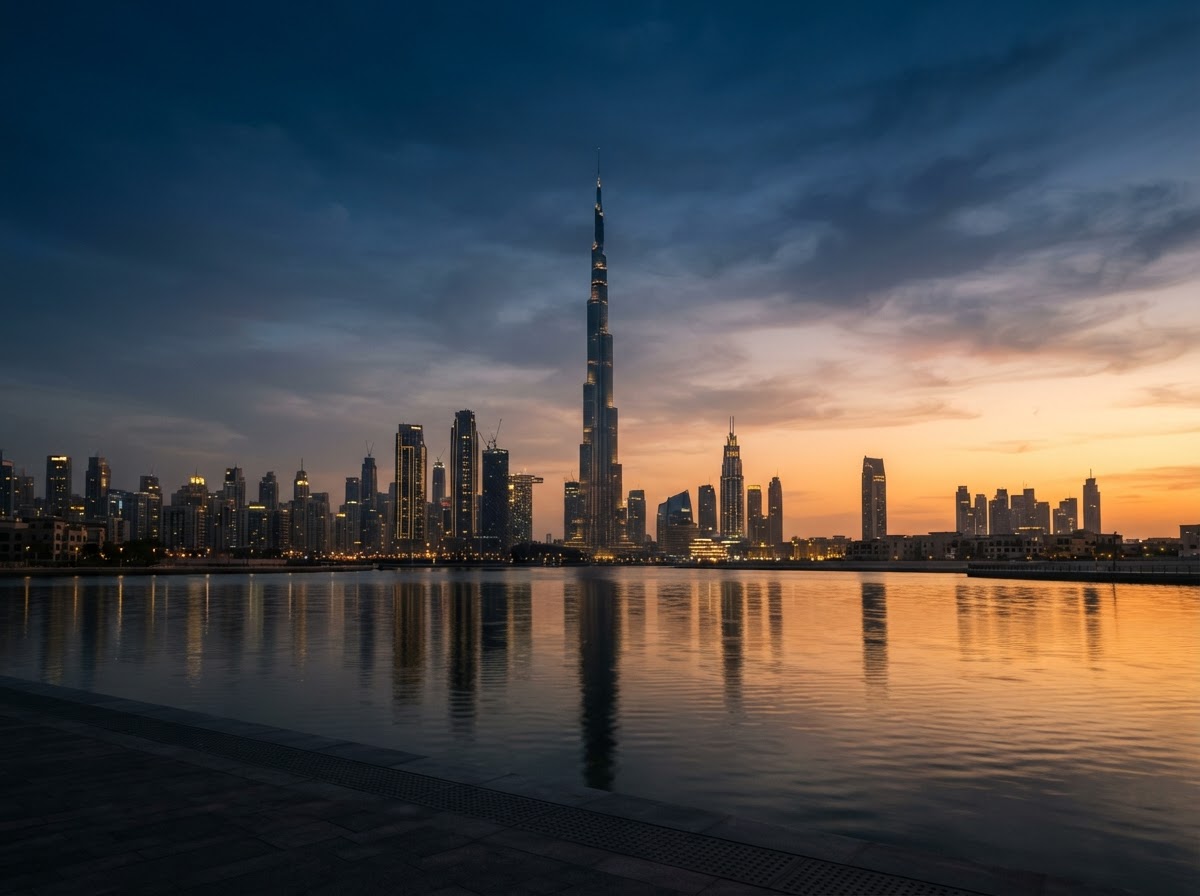
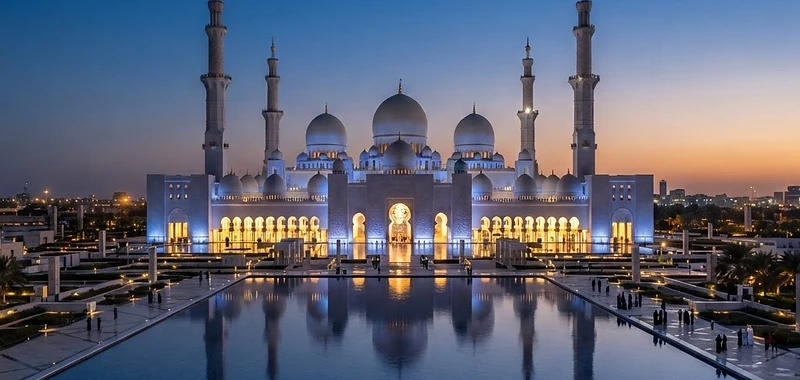
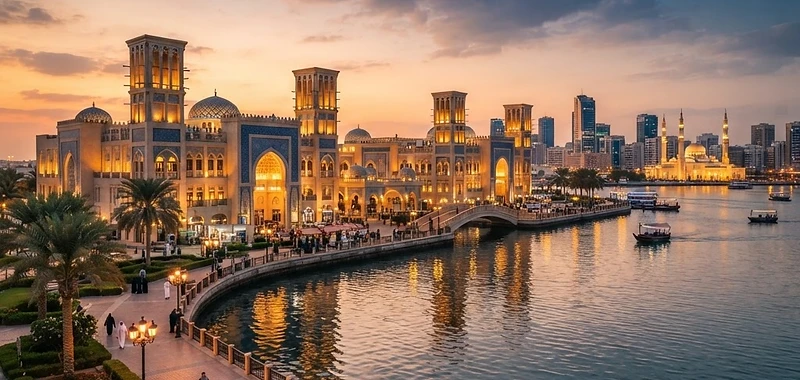
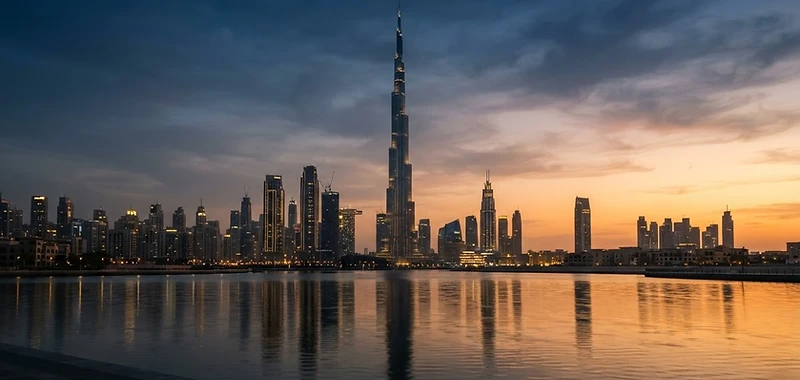
The United Arab Emirates is a federation of seven emirates where futuristic skylines meet golden deserts and pristine Gulf beaches. Dubai dazzles with the world's tallest building, luxury shopping, and man-made islands, while Abu Dhabi balances the magnificent Sheikh Zayed Grand Mosque with world-class museums on Saadiyat Island. Beyond the cities, desert safaris, falconry, and Bedouin heritage offer a taste of authentic Arabia.
Top Attractions
- Dubai
- Abu Dhabi
Explore on the Map
Key locations and points of interest to help you visualize your journey.





Travel Information
Visa-on-arrival or e-visa for most nationalities. Best time to visit: November–March. Currency: UAE Dirham (AED). Arabic is official; English is universally spoken. Dubai (DXB) and Abu Dhabi (AUH) are major international hubs. Extremely safe. Tap water is safe but bottled is preferred.
Travel Guide
Best Time to Visit
The optimal time to visit the United Arab Emirates is between November and March, when temperatures are pleasant and ideal for outdoor activities. This period offers the best weather, though it coincides with peak tourist season and higher prices. For those seeking a balance between cost and comfort, the shoulder seasons of April-May and September-October are excellent alternatives. Summer (June-August) is characterized by extreme heat, often exceeding 40°C, but it is the best time for budget-conscious travelers to find significant savings on luxury accommodations. Major cultural highlights include the Dubai Shopping Festival in winter, the UAE National Day celebrations in early December, and various seasonal festivals like the Global Village, which typically operates during the cooler months.
Getting There
The UAE is a major global aviation hub, easily accessible via its world-class international airports, primarily Dubai International Airport (DXB) and Abu Dhabi International Airport (AUH). These airports serve as primary bases for major carriers like Emirates and Etihad Airways, offering extensive flight connections to almost every corner of the globe. For travelers arriving from neighboring GCC countries, overland travel is a viable option, with well-maintained road networks connecting the UAE to Oman. Border crossings, such as Hatta or Khatm Al Shikla, are standard for those driving across the border. Visitors should ensure they have the necessary travel documents, including valid passports and any required visas or residence permits, before embarking on their journey.
Getting Around
Getting around the UAE is remarkably convenient due to its modern and extensive transportation infrastructure. In major cities like Dubai, the driverless Metro system provides a fast, efficient way to navigate key landmarks, complemented by an expansive network of public buses. Taxis are ubiquitous, affordable, and easily hailed or booked via ride-hailing apps like Careem and Uber. For those wishing to explore beyond the city limits or travel between emirates, car rental is a highly recommended and popular option, offering flexibility and comfort. Walking is feasible in specific pedestrian-friendly districts, such as Downtown Dubai or the Marina, but the intense heat during most of the year makes public transit or private vehicles the preferred choice for longer distances.
Weather & Climate
The UAE experiences a desert climate with two distinct seasons. The winter months (November to March) are mild and pleasant, with average temperatures ranging from 16°C to 26°C, making it perfect for beach days and desert excursions. In contrast, the summer season (June to September) is hot and humid, with temperatures frequently soaring above 40°C. Visitors should pack light, breathable cotton clothing for the summer, while a light jacket or sweater is advisable for the cooler winter evenings and air-conditioned indoor spaces. Regardless of the season, high-quality sunglasses, wide-brimmed hats, and sunscreen are essential to protect against the intense sun. Modest clothing is recommended when visiting public areas or religious sites to respect local customs.
Currency & Costs
The local currency is the United Arab Emirates Dirham (AED), which is pegged to the US Dollar. Currency exchange services are widely available at airports, shopping malls, and banks throughout the country. ATMs are ubiquitous, and credit cards are accepted almost everywhere, from high-end restaurants to small retail shops. While the UAE is increasingly becoming a cashless society, it is still useful to carry a small amount of cash for tips or smaller purchases in traditional markets (souks). Daily budgets can vary significantly; budget travelers can manage on moderate daily spending by utilizing public transport and local eateries, while those seeking luxury experiences will find no shortage of high-end options to suit a larger budget.
Language
The official language of the United Arab Emirates is Arabic, which is used in all government and official communications. However, due to the country's diverse expatriate population and status as a global tourism hub, English is the lingua franca of business, hospitality, and daily life. You will find that almost everyone in the service industry, from hotel staff to taxi drivers, speaks fluent English. While not strictly necessary, learning a few basic Arabic phrases like 'As-salamu alaykum' (peace be upon you) or 'Shukran' (thank you) is highly appreciated by locals and can enhance your cultural interactions. Signage, menus, and public information are almost always provided in both Arabic and English.
Safety Tips
The UAE is consistently ranked as one of the safest countries in the world for travelers, thanks to strict laws and a highly efficient police force. Violent crime is extremely rare, and visitors can generally explore cities with peace of mind. However, it is important to remain aware of local laws and customs, as the UAE maintains a conservative legal framework. Emergency services can be reached by dialing 999 for police, 998 for ambulance, and 997 for fire. While health standards are excellent, it is always recommended to have comprehensive travel insurance to cover any unexpected medical costs. Visitors should respect local regulations regarding public behavior and alcohol consumption to ensure a smooth and trouble-free visit.
Food & Drink
The UAE offers a vibrant culinary scene that blends traditional Emirati flavors with international influences. Must-try local dishes include 'Harees' (a wheat and meat porridge), 'Machboos' (spiced rice with meat), and 'Luqaimat' (sweet fried dough balls). Dining options range from affordable street food stalls and traditional souk cafes to world-class fine dining establishments helmed by celebrity chefs. When dining out, a service charge is often included in the bill, but an additional 10-15% tip is customary if you are satisfied with the service. Alcohol is available in licensed venues, such as hotels and specific restaurants, but public intoxication is strictly prohibited. Always observe local etiquette, such as using your right hand for eating and passing food.
Local Culture & Customs
The UAE is a deeply rooted Islamic society that values hospitality, modesty, and tradition. Visitors should dress modestly in public areas, covering shoulders and knees, especially when visiting religious sites like the Sheikh Zayed Grand Mosque. Public displays of affection should be kept to a minimum to respect local sensitivities. Photography of government buildings, military installations, and local people—especially women—without permission is strictly prohibited. During the holy month of Ramadan, visitors should be mindful of fasting hours and avoid eating, drinking, or smoking in public during daylight. By showing respect for these customs and traditions, travelers will find the Emirati people to be incredibly welcoming and proud to share their rich cultural heritage.
Practical Information
Most visitors can obtain a visa on arrival or apply for an e-visa, but it is essential to check your specific nationality requirements before travel. The UAE uses the Type G (three-pin UK style) power plug, and the standard voltage is 230V/50Hz, so bring an adapter if necessary. Tipping is common; rounding up taxi fares and leaving 10-15% in restaurants is standard practice. Shopping hours are generally long, with many malls open until midnight or later. For connectivity, purchasing a local SIM card at the airport is the most cost-effective way to stay online, as free Wi-Fi is available in most public spaces but can be restricted. Always carry a copy of your passport and travel insurance details.
FAQ
Do I need a visa to visit the UAE?
Visa requirements vary by nationality. Many countries are eligible for visa-on-arrival or e-visas, but you should check the official UAE government portal before your trip.
Is it safe for solo female travelers?
Yes, the UAE is considered very safe for solo female travelers, with low crime rates and a respectful culture, provided you dress modestly in public.
Can I drink alcohol in the UAE?
Alcohol is available in licensed venues like hotels, bars, and restaurants. Public intoxication and drinking in non-licensed public areas are strictly prohibited.
What is the best way to get around the cities?
The Dubai Metro is excellent for major city routes, while taxis and ride-hailing apps like Careem are the most convenient and affordable ways to reach specific destinations.
What should I wear in public?
Modest dress is recommended in public spaces. While beachwear is acceptable at pools and beaches, you should cover your shoulders and knees when in malls or city centers.
FAQ
Do I need a visa for the UAE?
Most nationalities get visa-on-arrival (30–90 days). Others can apply for an e-visa online before travel. Check the ICP UAE portal.
What is the dress code in the UAE?
Modest dress is expected in public — cover shoulders and knees. At hotels and beaches, swimwear is fine. No need for a headscarf for non-Muslim women.
Can I drink alcohol in the UAE?
Yes, alcohol is served in licensed hotels, bars, and clubs. Dubai and Abu Dhabi also now allow residents to drink at home with a license.
What is the best time to visit?
November to March offers pleasant 20–30°C weather. Summer (June–September) is extremely hot (40°C+) but indoor attractions and malls are air-conditioned.
