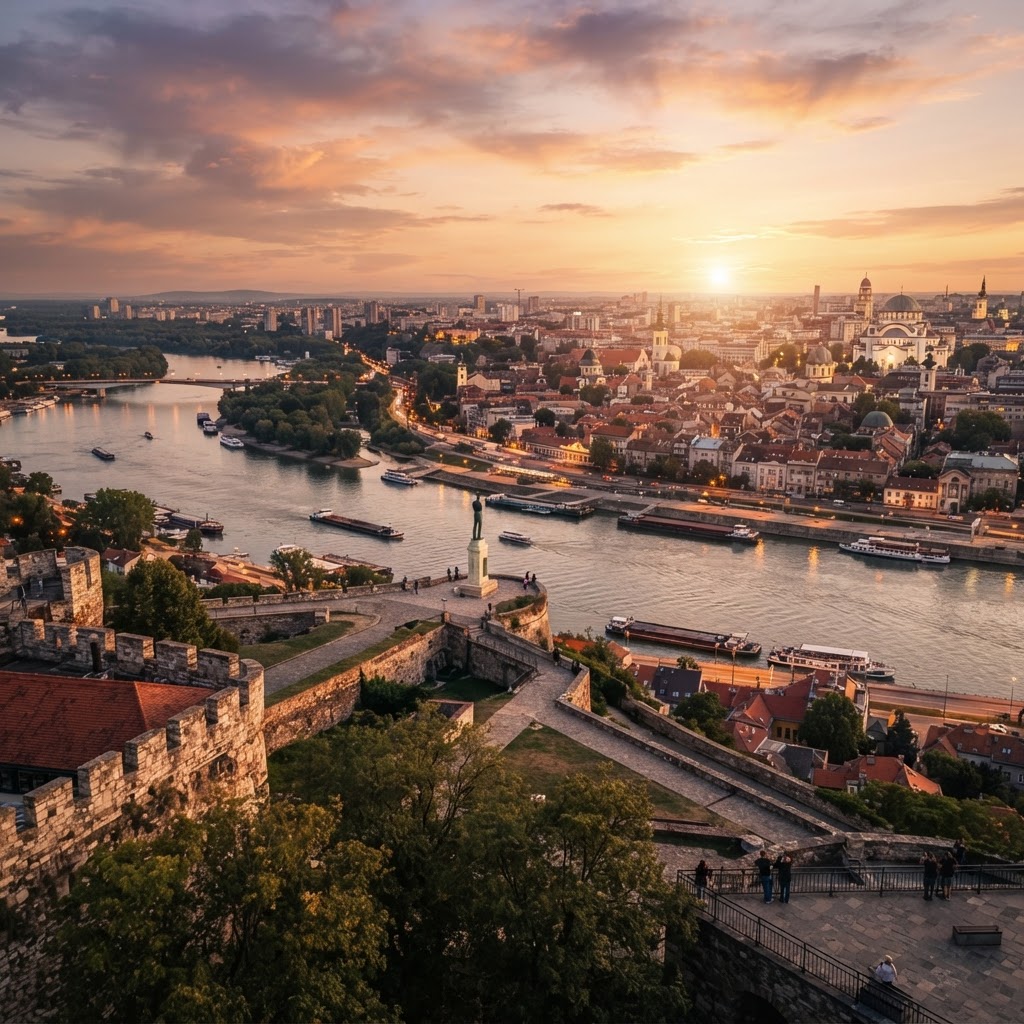
Serbia
A Balkan crossroads of fortress cities, warm hospitality and lively café culture.
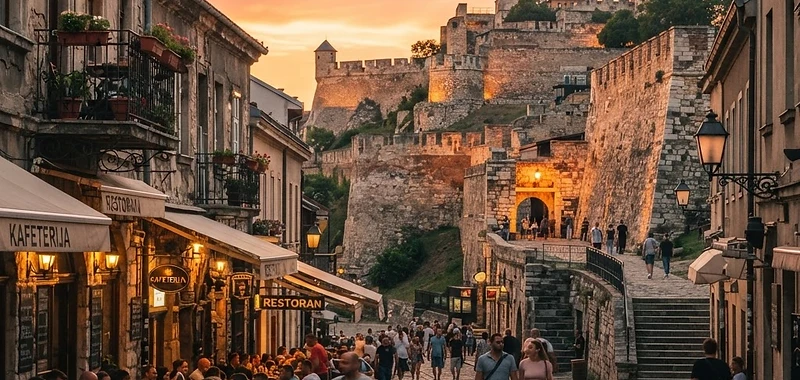
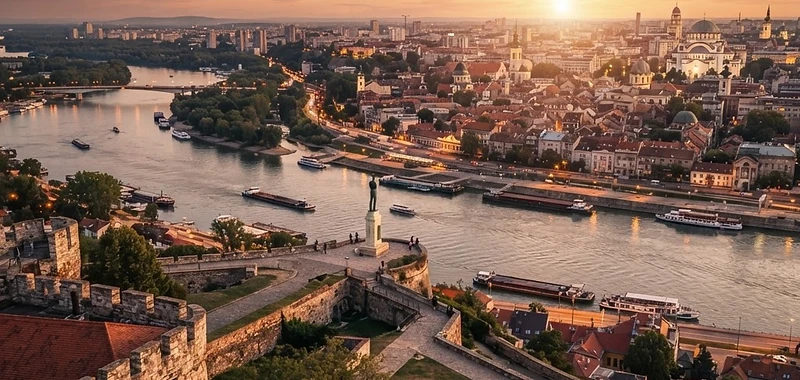
Serbia in Photos
Overview
Serbia sits where the Sava meets the Danube. Belgrade is one of Europe's most spirited capitals — fortress, rivers and nightlife — while monasteries, national parks and wine regions reward travellers who venture beyond.
Top Attractions
- Belgrade
Explore on the Map
Key locations and points of interest to help you visualize your journey.


Travel Information
Visa-free for most EU and many nationalities. Best April–October. Belgrade airport is the main gateway.
Travel Guide
Best Time to Visit
The best time to visit Serbia is during the late spring (May to June) and early autumn (September), when the weather is mild and comfortable for sightseeing. Summer (July and August) can be quite hot, especially in cities like Belgrade, but it is an excellent time for mountain retreats, river activities, and major festivals like the Exit Festival in Novi Sad. Winter is ideal for snow sports, with Kopaonik and Zlatibor serving as premier ski destinations. Cultural enthusiasts should note that Serbia has a packed calendar, including the Belgrade Dance Festival in March and the Bitef theater festival in October. For budget-conscious travelers, November and late February offer lower prices and fewer crowds, though weather conditions may be less favorable for outdoor exploration.
Getting There
Belgrade’s Nikola Tesla Airport is the primary international gateway, served by numerous major European and international airlines. Travelers can easily reach Serbia by plane from most major cities. For those traveling overland, Serbia is well-connected to neighboring countries via an extensive network of international trains and buses. Road travel is also a popular option, with well-maintained highways linking Serbia to its neighbors. When arriving by air, the A1 minibus or local bus 72 provide affordable transfers from the airport to Belgrade city center. Taxis are available, but it is recommended to book through the official taxi information desk in the baggage claim area to ensure fair pricing and avoid unauthorized touts.
Getting Around
Getting around Serbia is efficient, with a mix of public and private transport options. Trains are the most comfortable and scenic way to travel between major cities like Belgrade and Novi Sad. Within cities, public transit networks, including buses and trams, are widely available, though they can be crowded. Taxis are a convenient way to navigate urban areas; it is advisable to use reputable companies or ride-hailing apps and confirm the price or use a meter. For those wishing to explore national parks, monasteries, and rural regions, renting a car is often the most practical and independent choice. Walking is highly feasible and encouraged in the historic centers of Belgrade and Novi Sad, where many attractions are clustered within pedestrian-friendly zones.
Weather & Climate
Serbia experiences a continental climate with four distinct seasons. Spring (March–May) is cool and gradually warms up, though April can be rainy. Summer (June–August) is hot and dry, with temperatures often exceeding 30°C, making it perfect for outdoor festivals and river activities. Autumn (September–November) is mild and pleasant, ideal for harvest season and wine tours. Winter (December–February) is cold, with frequent snowfall in mountainous regions, perfect for skiing. Visitors should pack layers regardless of the season. In summer, light, breathable clothing is essential, while winter requires heavy coats, thermal layers, gloves, and sturdy boots. An umbrella or waterproof jacket is recommended for the unpredictable spring and autumn months.
Currency & Costs
The official currency is the Serbian Dinar (RSD). While credit cards are widely accepted in hotels, restaurants, and shops in major cities, it is essential to carry cash for smaller purchases, markets, kiosks, and some taxi rides. ATMs are readily available throughout the country. You cannot use foreign currencies like Euros or US Dollars for daily transactions, but these can be easily exchanged at banks or official exchange offices known as 'menjačnica'. If you enter or leave Serbia with more than 10,000 Euros in cash or equivalent, you must declare it to customs. A typical daily budget varies, but travelers can expect to spend moderately, with dining for two ranging from 2,500 to 5,000 RSD depending on the venue.
Language
The official language is Serbian, which uses both Cyrillic and Latin scripts. In major cities and tourist hubs, English proficiency among younger generations and those working in the hospitality industry is generally good. However, learning a few basic phrases in Serbian, such as 'Zdravo' (Hello), 'Hvala' (Thank you), and 'Molim' (Please), is highly appreciated by locals and can enhance your travel experience. While signage in cities is often bilingual or uses the Latin alphabet, rural areas may rely more heavily on Cyrillic. Carrying a translation app or a small phrasebook is a practical tip for navigating less touristy regions where English may be less common.
Safety Tips
Serbia is generally a safe destination for travelers. Standard precautions should be taken in crowded areas to avoid petty theft, such as pickpocketing. The tourism industry is not strictly regulated, so travelers should exercise caution when booking adventure activities and ensure they have comprehensive travel insurance. Tap water in Belgrade is safe to drink, though bottled water is recommended in rural areas. In case of emergencies, dial 192 for police, 193 for fire, and 194 for medical assistance. While there are no specific areas to avoid, travelers should always stay informed about local news and follow the guidance of local authorities. Ensure your routine vaccinations are up to date before traveling.
Food & Drink
Serbian cuisine is a hearty fusion of Mediterranean, Turkish, and Austro-Hungarian influences, heavily featuring meat-based dishes. Must-try items include 'burek' (a flaky pastry filled with meat or cheese), 'sarma' (stuffed cabbage rolls), and various grilled meats like 'ćevapi'. Dining etiquette is relaxed, but tipping is becoming more common; rounding up the bill or leaving a small tip for good service is appreciated. For a budget-friendly meal, visit local 'pekaras' (bakeries) for fresh pastries. Fine dining options are available in Belgrade, offering modern takes on traditional recipes. Don't miss out on local wines from the Fruška Gora region and 'rakija', a traditional fruit brandy, which is a staple of Serbian hospitality.
Local Culture & Customs
Serbian culture is defined by warmth, hospitality, and a deep appreciation for social gatherings. 'Kafana' culture—traditional taverns serving food, drink, and live music—is central to social life. When visiting religious sites, such as Orthodox monasteries or churches, dress modestly by covering your shoulders and knees. Photography is generally permitted in public spaces, but always ask for permission before taking photos of individuals or inside religious buildings. Serbians are generally proud of their history and heritage; engaging in respectful conversation is welcomed. Social etiquette is similar to other European countries, though locals are often very expressive and friendly. Always be mindful of religious customs and traditions, especially during major holidays like Orthodox Christmas or Easter.
Practical Information
Most visitors can enter Serbia visa-free for up to 90 days. The electrical system uses Type C and F plugs with a standard voltage of 230V. Tipping is not mandatory but rounding up the bill in restaurants is standard practice. Shopping hours are generally from 9:00 AM to 9:00 PM in cities, with many markets opening early. Internet access is excellent, with Wi-Fi available in most cafes and hotels; purchasing a local SIM card is an affordable way to stay connected. Always carry your passport, as you may need it for identification or currency exchange. Remember to declare any high-value items like professional camera equipment at customs upon entry to avoid potential import charges.
FAQ
Do I need a visa to visit Serbia?
Most tourists from the EU, US, and many other countries do not need a visa for stays of up to 90 days.
Is it safe to drink tap water in Serbia?
Tap water in Belgrade is generally safe to drink, but it is recommended to use bottled or purified water in rural areas.
Can I use Euros in Serbia?
No, the Serbian Dinar (RSD) is the only legal tender. You must exchange Euros or other currencies at banks or exchange offices.
What is the most famous Serbian dish?
Sarma (stuffed cabbage rolls) and various grilled meat dishes like ćevapi are considered the most iconic local foods.
Is Serbia expensive for tourists?
Serbia is generally considered an affordable destination compared to Western Europe, offering great value for food, accommodation, and transport.