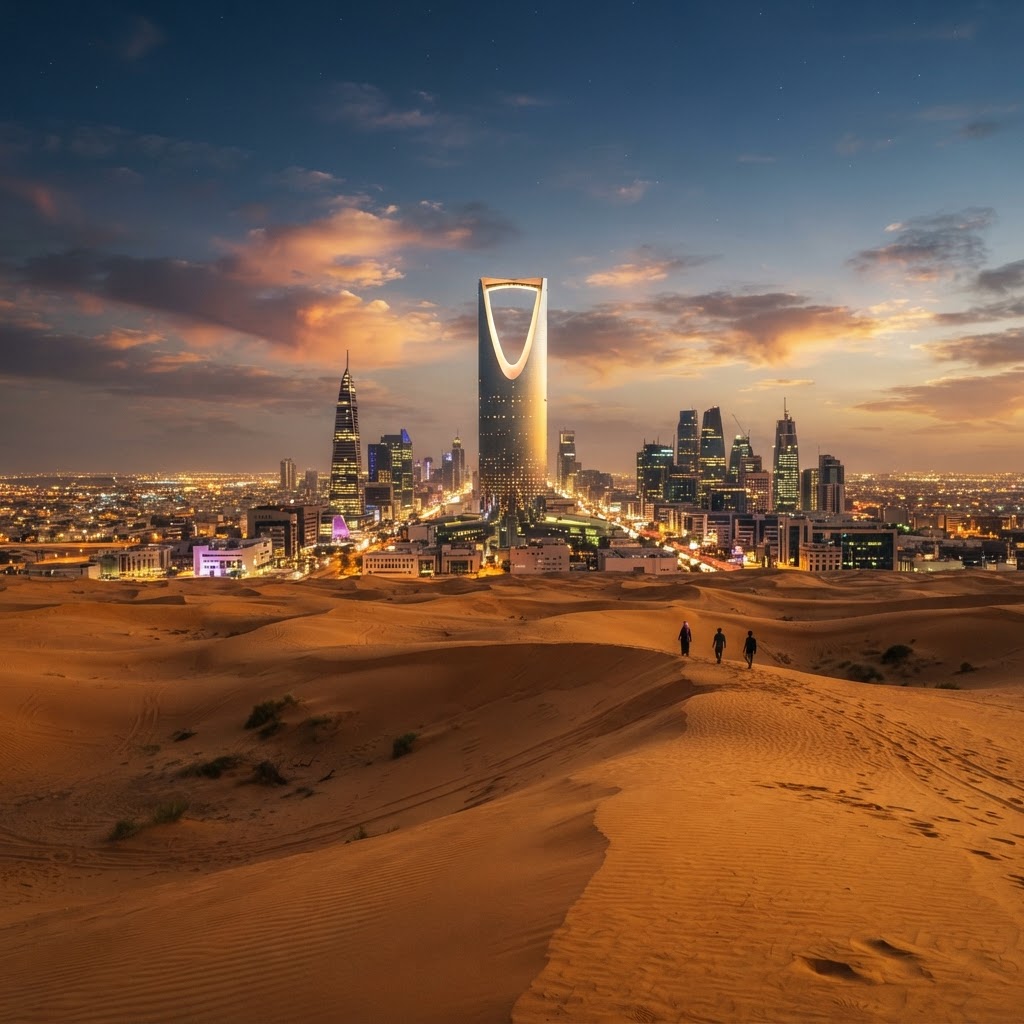
Saudi Arabia
Ancient Nabataean tombs, sacred cities, Red Sea reefs, and bold modern skylines.
Saudi Arabia in Photos



Overview
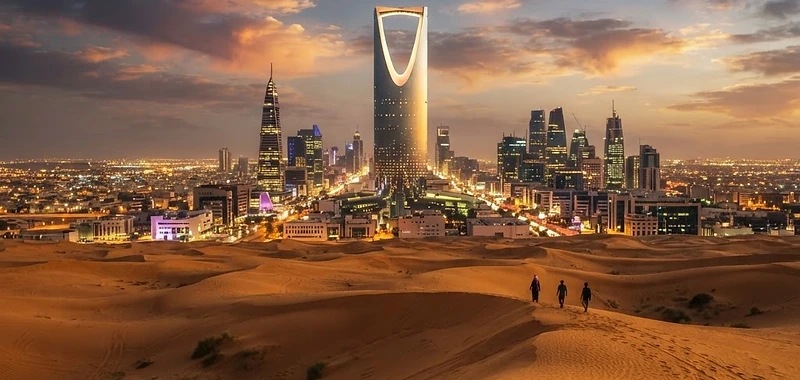
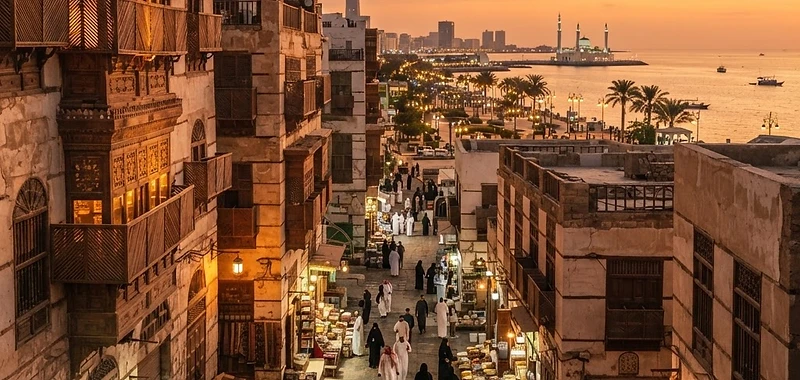
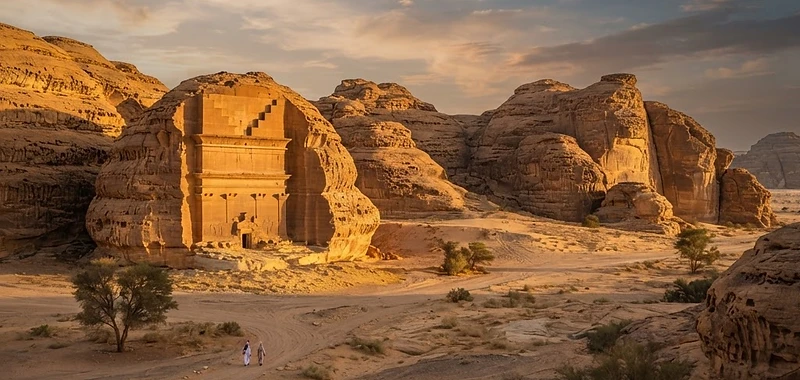
Saudi Arabia is the birthplace of Islam and the largest country on the Arabian Peninsula, opening its doors to leisure travelers for the first time. Beyond the holy cities of Makkah and Madinah lie the rose-red Nabataean tombs of AlUla, the coral-stone heritage of Jeddah's Al-Balad, the soaring modern towers of Riyadh, and a 1,800-km Red Sea coast of untouched reefs and islands. From desert dunes to futuristic megaprojects, Saudi offers a journey through time — from ancient civilizations to Vision 2030.
Top Attractions
- Riyadh
- Jeddah
- Makkah
- Madinah
- AlUla
Explore on the Map
Key locations and points of interest to help you visualize your journey.


Travel Information
Tourist e-visa or visa-on-arrival available for eligible nationalities (apply via visitsaudi.com). Makkah and Madinah are restricted to Muslim visitors. Best time to visit: October–March. Currency: Saudi Riyal (SAR). Arabic is official; English widely spoken in cities and tourism. Dress modestly in public. Alcohol is prohibited. Women and men can now drive and travel freely.
Travel Guide
Best Time to Visit
The optimal time to visit Saudi Arabia is between November and March, when temperatures are mild and comfortable for outdoor exploration [2, 3, 6, 7]. During this period, daytime highs typically range from 24°C to 30°C, making it perfect for visiting sites like AlUla, Riyadh, and Jeddah [7, 9]. While this is the peak tourist season, it remains the most pleasant time to avoid the extreme desert heat [2, 8]. Summer months (June to August) are significantly hotter, with temperatures often exceeding 40°C, though they offer a more budget-friendly option for those who can tolerate the heat [2, 3, 6]. Travelers should also be mindful of the Islamic calendar, as Ramadan and Hajj seasons can impact local business hours and crowd levels in religious hubs [5, 8, 9].
Getting There
Saudi Arabia is highly accessible via major international airports in Riyadh (King Khalid International), Jeddah (King Abdulaziz International), Dammam (King Fahd International), and Madinah [3]. The country is served by its national carrier, Saudia, along with numerous international airlines connecting from Europe, North America, and Asia [3]. Most leisure travelers enter using the convenient tourist eVisa, which is available to citizens of 66 eligible countries and can be processed online or upon arrival [3, 5]. For those traveling regionally, overland border crossings are available, though flying remains the most efficient method for covering the vast distances between major tourist hubs like the Riyadh-AlUla-Jeddah triangle [3]. Always ensure your passport has at least six months of validity before departure [7].
Getting Around
Navigating Saudi Arabia is increasingly convenient due to significant infrastructure investments [1]. For intercity travel, domestic flights are the most efficient way to traverse the country's vast landscape [1, 3]. Within cities, ride-hailing services like Careem and Uber are the gold standard for reliability, safety, and ease of use [1, 3]. Public transportation systems are expanding, particularly in major cities, but private car rentals remain a popular choice for those wishing to explore at their own pace on the country's modern highway network [1]. While walking is feasible in specific districts like Jeddah’s historic Al-Balad, the sprawling nature of Saudi cities and the intense heat often make motorized transport the preferred option for most visitors [1, 8].
Weather & Climate
Saudi Arabia features a predominantly arid desert climate characterized by significant seasonal variations [7]. During the winter months (November to March), the weather is pleasant and mild, requiring light layers for cooler evenings, especially in northern regions or mountainous areas like Asir [2, 7]. Conversely, the summer season (May to September) brings intense, dry heat with temperatures frequently soaring above 40°C [3, 6]. Visitors should pack breathable, lightweight fabrics, sunglasses, and high-SPF sunscreen regardless of the season [8]. Modest clothing is essential year-round to respect local customs. While rain is rare, occasional brief showers can occur in winter, so a light jacket is advisable for those visiting the northern highlands where temperatures can drop significantly at night [2, 7, 8].
Currency & Costs
The official currency is the Saudi Riyal (SAR), which is pegged to the US Dollar at a rate of approximately 3.75 SAR to 1 USD [5]. ATMs are widely available in cities, malls, and airports, and credit cards are accepted at almost all hotels, restaurants, and retail outlets [3]. While digital payments are becoming the norm, it is wise to carry a small amount of cash for local markets or smaller vendors. Saudi Arabia is generally more affordable than neighboring UAE, with a mid-range daily budget typically falling between 400 and 700 SAR per person, covering accommodation, transport, and meals [3]. Note that alcohol is strictly prohibited throughout the country, which significantly reduces overall travel costs compared to other regional destinations [5].
Language
The official language of Saudi Arabia is Arabic [5]. While Arabic is the primary medium for government, business, and daily life, English is widely spoken and understood in major cities, tourist attractions, hotels, and by younger generations [3]. Most signage in airports, malls, and tourist sites is provided in both Arabic and English, making navigation relatively straightforward for international visitors. Learning a few basic Arabic phrases, such as 'As-salamu alaykum' (peace be upon you) for greeting or 'Shukran' (thank you), is highly appreciated by locals and can help foster warmer interactions. Despite the language barrier in more remote areas, the hospitality of the Saudi people ensures that visitors can generally communicate their needs effectively through a combination of English and basic gestures.
Safety Tips
Saudi Arabia is considered a safe destination for international travelers, with low rates of violent crime [3]. Visitors should exercise standard travel precautions, such as staying aware of their surroundings and keeping valuables secure. In case of emergencies, the local police and emergency services are responsive. It is essential to have comprehensive travel insurance that covers medical expenses, as healthcare costs can be high for non-residents [5]. While the country is generally safe, travelers should respect local laws and avoid sensitive areas or political demonstrations. Always carry a copy of your passport and visa. Health precautions are minimal, but it is advisable to stay hydrated and follow any specific health guidelines provided by the Ministry of Health, especially during the summer months [7].
Food & Drink
Saudi cuisine is a rich tapestry of flavors, heavily influenced by Middle Eastern and Mediterranean traditions. Must-try dishes include 'Kabsa' (a fragrant rice dish with meat and spices), 'Jareesh', and various types of dates, which are a staple of Saudi hospitality [1]. Dining etiquette is important; always use your right hand for eating and avoid pointing your feet toward others. The country offers a diverse range of dining experiences, from affordable street food stalls serving shawarma and falafel to world-class fine dining in Riyadh and Jeddah [3]. As alcohol is prohibited, the social culture revolves around coffee houses and tea shops, where 'Gahwa' (Arabic coffee) is served with dates. Tipping is not mandatory but is appreciated for good service in restaurants and cafes.
Local Culture & Customs
Saudi culture is deeply rooted in Islamic traditions and values, emphasizing hospitality, family, and modesty [1]. Visitors should dress modestly; men should avoid sleeveless shirts and shorts, while women are encouraged to wear loose-fitting clothing that covers shoulders and knees. While the strict dress code has relaxed, respecting local sensibilities remains crucial. Photography of government buildings, military installations, or local people without permission is strictly prohibited and should be avoided. During the holy month of Ramadan, visitors should refrain from eating, drinking, or smoking in public during daylight hours. Social etiquette involves being polite and patient, and it is customary to accept offers of coffee or tea as a sign of respect. Always ask for permission before taking photos of individuals, particularly women.
Practical Information
Visitors must obtain a tourist eVisa or visa on arrival, which is valid for one year and allows for multiple entries up to 90 days [3, 5]. The electrical system uses Type G plugs (the same as the UK) with a voltage of 230V, so bring an adapter if necessary. Tipping is not strictly required but a 10-15% tip is common in restaurants for exceptional service. Shopping hours are generally long, with malls often staying open until late at night, though many shops close briefly during prayer times. Internet connectivity is excellent, with high-speed 5G coverage available in most urban areas; purchasing a local SIM card at the airport upon arrival is the most cost-effective way to stay connected throughout your trip.
FAQ
Do I need a visa to visit Saudi Arabia?
Yes, most international travelers require a tourist eVisa or visa on arrival, which can be obtained online for citizens of 66 eligible countries [3, 5].
Is alcohol allowed in Saudi Arabia?
No, alcohol is strictly prohibited throughout the country, and there are no licensed shops or bars for visitors [5].
What is the best time of year to visit?
The best time to visit is between November and March, when the weather is mild and suitable for outdoor sightseeing [2, 3, 7].
Is it safe for women to travel to Saudi Arabia?
Yes, Saudi Arabia is considered safe for women, though it is recommended to dress modestly and respect local cultural norms [3, 5].
Can I use my credit card in Saudi Arabia?
Yes, credit and debit cards are widely accepted in hotels, restaurants, and shops across the country [3].
FAQ
Can non-Muslims visit Saudi Arabia?
Yes — Saudi Arabia launched a tourist e-visa in 2019. Non-Muslims are welcome throughout the country except the holy cities of Makkah and Madinah, which are restricted to Muslim visitors.
Do women need to wear a hijab?
No. Modest dress is expected in public (covering shoulders and knees), but the abaya and head cover are no longer legally required for foreign women.
Is alcohol available?
No. The sale and consumption of alcohol are prohibited throughout Saudi Arabia.
What is the best season to visit?
October to March offers pleasant temperatures (15–28°C). Summers (June–August) are extremely hot, often above 45°C, though coastal and highland areas are cooler.
