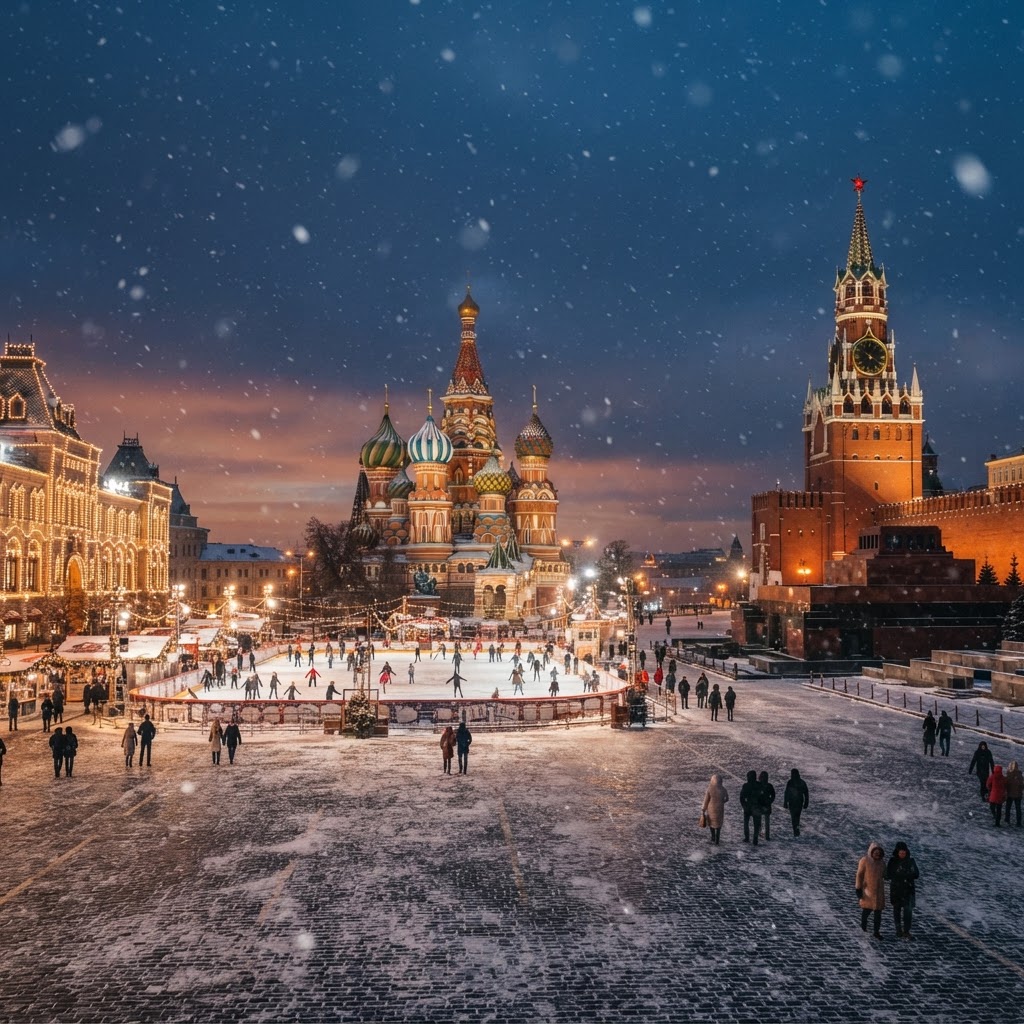
Russia
The world's largest country — golden-domed cities, imperial palaces and vast wilderness.
Russia in Photos



Overview
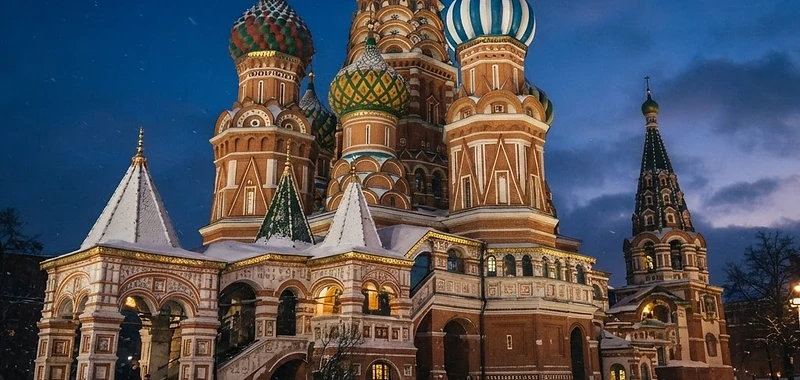
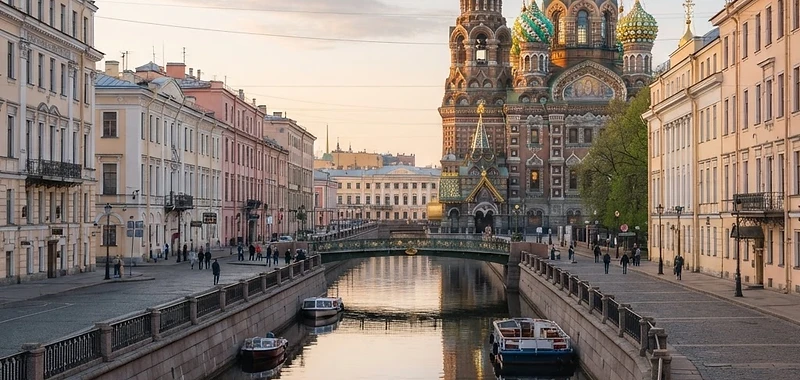
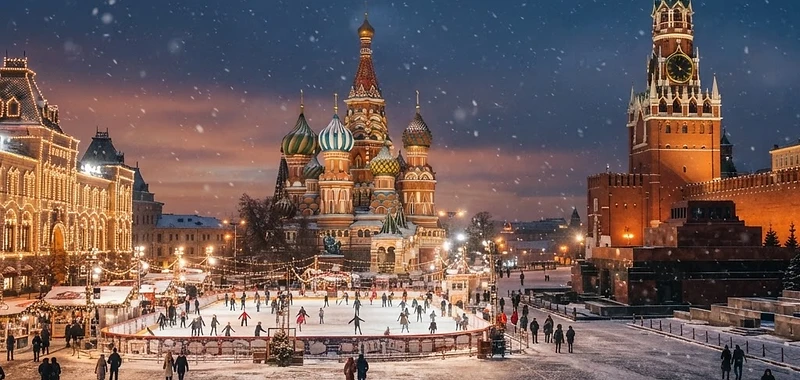
Russia spans eleven time zones and countless cultures. Moscow's Red Square and Saint Petersburg's palaces and canals are the icons, but the Trans-Siberian, the Golden Ring and the Volga reveal a country of endless scale.
Top Attractions
- Moscow
- Saint Petersburg
Explore on the Map
Key locations and points of interest to help you visualize your journey.



Travel Information
E-visa available for select regions. Best May–September. Most travelers enter via Moscow or Saint Petersburg.
Travel Guide
Best Time to Visit
The best time to visit Russia is generally from May to September, when the weather is mild and daylight hours are long. June is particularly popular, especially in St. Petersburg, where the famous 'White Nights' festival occurs. Summer offers the most comfortable conditions for sightseeing and outdoor activities. Autumn, particularly September, is excellent for photography as the foliage turns golden. While winter is harsh, it is the peak season for those seeking a 'winter wonderland' experience, particularly in cities like St. Petersburg or for winter sports in the Urals and Siberia. Travelers should be aware that the first week of January is a busy, expensive holiday period, while the spring 'thaw' months of March to May can be muddy and less ideal for travel.
Getting There
Getting to Russia currently requires careful planning due to international travel restrictions. Major international airports in Moscow and other cities maintain connections to select countries, including Turkey, Serbia, the UAE, Qatar, Thailand, and India. Direct flights from many Western nations are currently limited or unavailable. Travelers should check the latest entry requirements and visa regulations with their local Russian embassy or consulate well in advance, as visa processing can take a month or longer. Overland border crossings are possible but subject to specific entry regulations for each neighboring country. It is highly recommended to use a specialist travel agency to navigate the complex visa application process and ensure all documentation is correct before departure.
Getting Around
Russia has an extensive and efficient public transportation network. In major cities like Moscow and St. Petersburg, the metro systems are world-renowned for their speed, reliability, and stunning architecture. Buses, trams, and trolleybuses are widely available and affordable. For longer distances, the rail network, including the iconic Trans-Siberian Railway, is the preferred method of travel. Taxis and ride-hailing apps are common and convenient for point-to-point travel. While car rentals are available, navigating large cities can be challenging due to heavy traffic and parking limitations. Walking is a highly feasible and enjoyable way to explore historic city centers, provided you are dressed appropriately for the weather. Always ensure you use reputable taxi services or official apps to avoid overcharging.
Weather & Climate
Russia’s climate is vast and varied, characterized by a harsh continental pattern with long, cold winters and short, warm summers. In Moscow, summer temperatures average around 24°C, while winters can drop well below freezing. Packing requires a strategic, layered approach. For summer, bring light, breathable clothing, a rain jacket for occasional showers, and comfortable walking shoes. For winter, high-quality thermal base layers, a heavy insulated coat, waterproof boots, a warm hat, gloves, and a scarf are essential. Because weather can be unpredictable, especially during the transition months of March and October, it is wise to check regional forecasts specifically for your destination, as conditions in the Arctic north or the Siberian interior differ significantly from the European corridor.
Currency & Costs
The local currency is the Russian Ruble (RUB). Due to international sanctions, foreign-issued credit and debit cards (including those from the U.S.) are generally not accepted within Russia. Travelers must bring sufficient cash in major currencies like USD or EUR to exchange locally, or rely on local banking arrangements if available. ATM availability for foreign cards is extremely limited or non-existent. It is essential to research the most current financial regulations before your trip, as the situation regarding payment systems is subject to change. Budgeting should account for the fact that while some services are affordable, major tourist hubs can be pricey. Always carry a mix of denominations and keep your funds secure.
Language
The official language is Russian, which uses the Cyrillic alphabet. While English proficiency is generally low outside of major tourist areas, high-end hotels, restaurants, and museums in Moscow and St. Petersburg often have English-speaking staff. Learning basic Russian phrases—such as greetings, 'thank you,' and 'please'—is highly appreciated by locals and can significantly enhance your travel experience. Carrying a translation app or a pocket phrasebook is recommended for navigating public transport or menus. In rural areas, English is rarely spoken, so having addresses written in Cyrillic can be a lifesaver. Russians are generally helpful if you show an effort to communicate, even if it is through simple gestures or basic vocabulary.
Safety Tips
Safety in Russia requires awareness of the current geopolitical climate and local laws. Travelers should avoid taking photographs of government buildings, military installations, or sensitive infrastructure, as this can lead to legal trouble. It is important to stay informed about local regulations and avoid any public demonstrations or political discussions. Emergency services can be reached by dialing 112. Health precautions include ensuring you have comprehensive travel insurance that covers medical evacuation, as the quality of medical facilities can vary. Always carry a copy of your passport and visa. Due to the current international situation, travelers are advised to monitor their home country's travel advisories closely and register with their embassy upon arrival.
Food & Drink
Russian cuisine is hearty and comforting, designed to sustain people through long, cold winters. Must-try dishes include borscht (beetroot soup), pelmeni (meat-filled dumplings), blini (thin pancakes with various fillings), and beef stroganoff. Dining etiquette is generally relaxed, but formal restaurants expect a certain level of decorum. Tipping is becoming more common in cities, typically around 10% of the bill. For budget dining, 'stolovaya' (cafeteria-style eateries) offer authentic, affordable meals. Fine dining is widely available in major cities, offering both traditional Russian fare and international fusion. Do not miss the opportunity to try local teas, which are a staple of Russian social life, often served with jam or honey.
Local Culture & Customs
Russian culture is deeply rooted in history, literature, and Orthodox traditions. When visiting churches or monasteries, dress modestly: women should cover their heads and shoulders, and men should remove hats and avoid wearing shorts. In some religious sites, women may be required to wear skirts, and wraps are often provided at the entrance. Social etiquette values politeness; it is common to dress up for a night out at the theater or a nice restaurant. 'Face control' is a real phenomenon at some upscale clubs, where entry is at the discretion of staff based on appearance. Photography is generally welcomed in public spaces, but always be respectful and ask permission before photographing individuals or religious services.
Practical Information
Visa requirements are strict; ensure you apply well in advance through official channels. Russia uses Type C and Type F electrical plugs with a standard voltage of 220V/50Hz, so a universal adapter is necessary. Tipping is not mandatory but is appreciated in restaurants (10%). Shopping hours in cities are generally long, with many supermarkets open late or 24/7. Internet access is widely available via Wi-Fi in cafes and hotels, but purchasing a local SIM card is the most practical way to stay connected. Always keep your passport and registration documents with you, as police may perform spot checks. Be mindful of the European date format (day/month/year) to avoid confusion with visa expiration dates.
FAQ
Do I need a visa to visit Russia?
Yes, most foreign nationals require a visa to enter Russia. You should apply through a Russian embassy or consulate well in advance of your trip.
Can I use my credit card in Russia?
Currently, most foreign-issued credit and debit cards are not accepted in Russia due to international sanctions. You should plan to bring sufficient cash.
Is it safe to travel to Russia?
Travelers should monitor their home country's travel advisories closely due to the current geopolitical situation and follow all local laws strictly.
What is the best way to get around Russian cities?
The metro systems in Moscow and St. Petersburg are the fastest and most efficient way to travel, complemented by buses, trams, and ride-hailing apps.
What should I wear when visiting churches?
Modest dress is required. Women should cover their heads and shoulders, and men should remove hats. Avoid shorts and revealing clothing.
Popular Tours

Almaty Adventure — 6 Days 5 Nights
An unforgettable 6 Days / 5 Nights adventure in Almaty, Kazakhstan — majestic mountains, crystal-clear lakes, exciting excursions and incredible city experiences. Kok Tobe, Medeo & Shymbulak, Charyn Canyon, Kolsai Lake and Alma-Arasan Gorge.

Discover the Beauty of Azerbaijan — 6 Days 5 Nights
5 Nights / 6 Days of nature, culture & adventure across Azerbaijan — Gabala, Shahdag, Baku City Tour, Absheron (Fire Mountain & Ateshgah), and Gobustan (petroglyphs & mud volcanoes). All-inclusive from $530 per person.

Georgia Unforgettable — 6 Days 5 Nights
An unforgettable 6 Days / 5 Nights Georgia tour — Tbilisi, Gudauri & Kazbegi, Gergeti Trinity Church, Ananuri Fortress, Mtskheta & Jvari, Sighnaghi & Kakheti wine region. 4-star hotel, private transport, English-speaking guide.