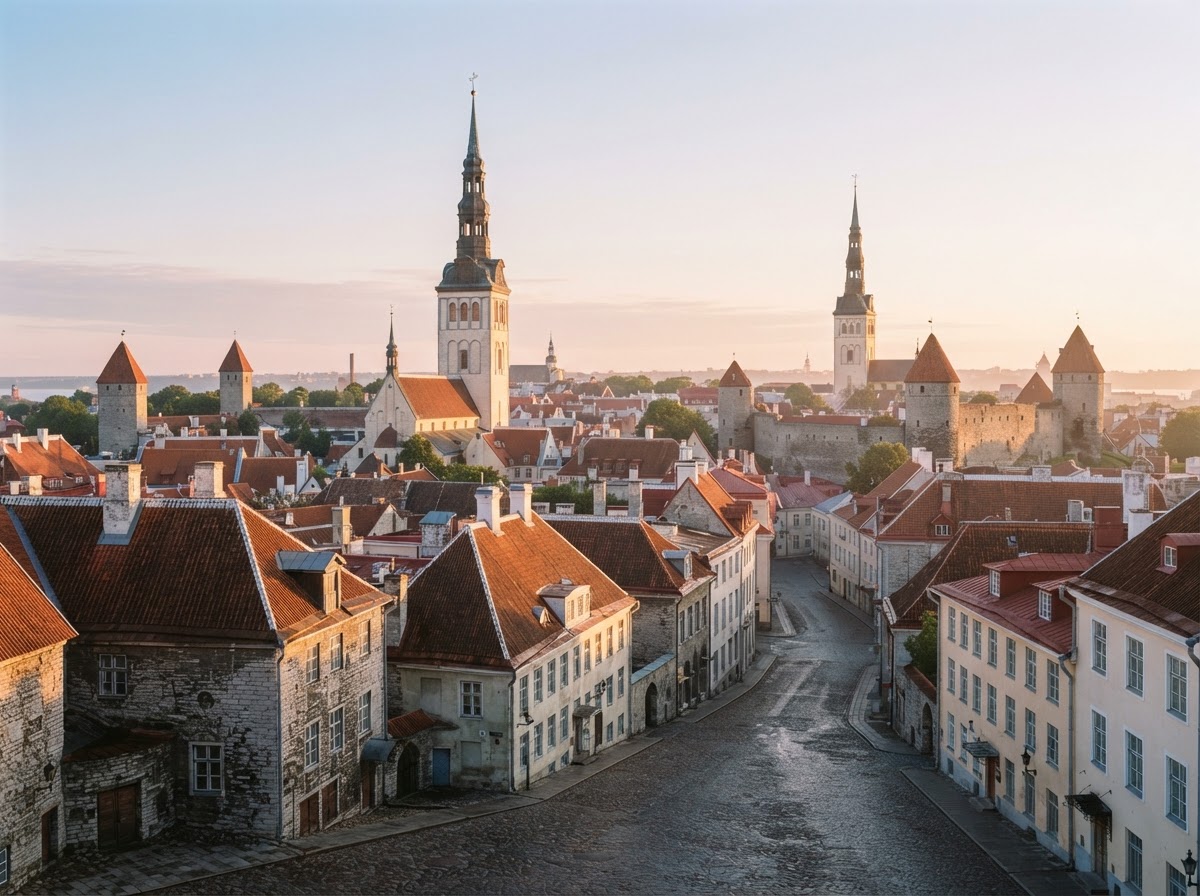
Lithuania
Baroque capitals, Curonian dunes and Baltic heritage.
Overview
Lithuania offers Vilnius’ baroque old town, Trakai’s island castle and the Curonian Spit.
Top Attractions
- Vilnius
- Kaunas
- Trakai
- Klaipėda
Explore on the Map
Key locations and points of interest to help you visualize your journey.


Travel Guide
Best Time to Visit
The ideal time to visit Lithuania is from late spring to early autumn, specifically between late April and late September. Summer (June to August) is the peak season, offering the warmest weather, perfect for enjoying the Baltic coast and outdoor festivals. September is also highly recommended for its pleasant temperatures and the beautiful migration season. While winters are long and freezing, they offer a magical, snowy atmosphere for those who enjoy winter sports or cozy city breaks. Travelers should be prepared for variable weather, as even summer days can be breezy near the coast. Regardless of when you visit, Lithuania’s rich history and UNESCO-listed sites remain accessible and captivating throughout the year, making it a versatile destination for every type of traveler.
Getting There
Lithuania is well-connected to the rest of Europe via three main international airports: Vilnius, Kaunas, and Palanga. Vilnius International Airport serves as the primary hub with frequent connections to major European capitals. Kaunas and Palanga airports also handle significant regional traffic, often serviced by budget airlines. For those traveling overland, Lithuania has excellent road connections to neighboring Baltic and European countries. International bus services are a popular and affordable way to cross borders, while the train network provides comfortable, scenic routes from neighboring regions. Once you arrive, the country’s compact size makes it easy to navigate, with efficient public transport and well-maintained highways connecting all major cities, ensuring a smooth transition from your point of entry to your final destination.
Getting Around
Getting around Lithuania is convenient and efficient. Major cities like Vilnius and Kaunas feature extensive public transit networks, including buses and trolleybuses, which are affordable and reliable. The 'JUDU' app is an essential tool for real-time updates on routes and schedules. For intercity travel, a well-developed train network connects key hubs like Vilnius, Kaunas, and Klaipėda comfortably. Taxis and ride-hailing services like Bolt are widely available, safe, and reasonably priced. For those who prefer flexibility, car rentals are a great option, as the country boasts a high-quality network of four-lane highways. Many city centers, particularly the historic Old Towns, are highly walkable, allowing visitors to explore charming cobblestone streets and architectural landmarks on foot while soaking in the local atmosphere.
Weather & Climate
Lithuania experiences a continental climate with maritime influences along the Baltic coast. Summers are generally mild and pleasant, with temperatures ranging from 20°C to 30°C, making it the best time for outdoor activities. Winters are cold and snowy, with temperatures occasionally dropping significantly below freezing. Spring can be quite muddy due to snowmelt, while autumn brings crisp, cool air. Regardless of the season, it is wise to pack layers to accommodate shifting temperatures. Waterproof clothing and a sturdy umbrella are recommended year-round, as rain showers can occur unexpectedly. If visiting in winter, heavy coats, thermal layers, and insulated footwear are essential. During summer, light clothing is sufficient, but always keep a light jacket handy for cooler evenings, especially if you are spending time near the coast.
Currency & Costs
Lithuania uses the Euro (EUR) as its official currency. The country has a highly developed banking system, and ATMs—locally known as 'Bankomatas'—are easily accessible in all towns and cities. Credit and debit cards are widely accepted at most shops, restaurants, and tourist attractions, making it easy to travel with minimal cash. However, it is always prudent to carry some cash for smaller vendors or rural areas. While the country is generally affordable, your daily budget will depend on your travel style; mid-range travelers can expect to spend a reasonable amount on dining and accommodation. Always be mindful of card security by covering your PIN when using ATMs. If you are entering or leaving the EU with €10,000 or more in cash, you must declare it to customs.
Language
The official language is Lithuanian, a unique Baltic language. However, English proficiency is quite high, especially among the younger generation, with about 80% of youth speaking it fluently. In tourist areas, hotels, and restaurants, you will have little trouble communicating in English. Older generations may be more comfortable speaking Russian, which is a common second language. Learning a few basic Lithuanian phrases, such as 'Labas' (Hello) or 'Ačiū' (Thank you), is always appreciated by locals and can enhance your travel experience. If you find yourself in need of assistance, seeking out younger locals is often the best strategy for clear communication. Overall, the language barrier is minimal for international visitors, and most signage in major cities is provided in both Lithuanian and English.
Safety Tips
Lithuania is a safe destination for travelers, with a well-regulated tourism industry and low crime rates. Standard precautions should be taken, such as keeping valuables secure in crowded areas and being aware of your surroundings. ATM and card fraud can occur, so always protect your PIN and monitor your accounts. In case of emergencies, the general emergency number is 112. Health standards are high, and major infectious diseases are rare. EU citizens can access most medical services free of charge, but all travelers should ensure they have comprehensive travel insurance. Avoid large demonstrations or political gatherings, and follow the instructions of local authorities if necessary. By staying informed and using common sense, you can enjoy a worry-free visit to this beautiful Baltic nation.
Food & Drink
Lithuanian cuisine is hearty, comforting, and deeply rooted in local traditions. A must-try dish is 'Cepelinai' (Zeppelins), which are large, blimp-shaped potato dumplings stuffed with meat or curd. Other staples include potato pancakes, cold beet soup ('Šaltibarščiai'), and various rye bread specialties. Dining in Lithuania ranges from affordable, traditional taverns to sophisticated fine-dining establishments in the cities. Tipping is appreciated but not strictly mandatory; rounding up the bill or leaving 5-10% is standard practice for good service. When dining out, you will find that the quality of ingredients is high, often sourced from local farms. Don't miss the chance to try local pastries, which are often filled with poppy seeds or fruit, reflecting the country's rich culinary heritage and love for wholesome, filling meals.
Local Culture & Customs
Lithuanian culture is a blend of deep-rooted traditions and modern European influences. The country is known for its well-preserved medieval history, particularly in the UNESCO-listed Old Town of Vilnius. Lithuanians are generally reserved but welcoming. When visiting churches or religious sites, it is respectful to dress modestly. Photography is generally permitted, but always be mindful of private property and religious services. Social etiquette is similar to other Northern European countries; punctuality is valued, and a polite demeanor goes a long way. The country takes great pride in its folklore, music, and crafts, which are often showcased during local festivals. Engaging with locals by showing interest in their history and traditions is a great way to connect with the culture and gain a deeper appreciation for the Lithuanian way of life.
Practical Information
Lithuania is part of the Schengen Area, so EU nationals do not require a visa. Other travelers should check their specific requirements, ensuring passports have at least three months of validity beyond their departure date. The country uses Type C and F electrical plugs with a standard voltage of 230V. Shopping hours are generally convenient, with most stores open from morning until evening. Internet connectivity is excellent, with widespread Wi-Fi and affordable SIM cards available for purchase upon arrival. Tipping is customary but modest, usually around 5-10% in restaurants. Remember that Lithuania observes Daylight Savings Time, and the local time is GMT+2. Being prepared with a universal adapter and a local SIM card will ensure you stay connected and comfortable throughout your journey.
FAQ
Do I need a visa to visit Lithuania?
EU nationals do not need a visa. Travelers from other countries should check the latest Schengen Area requirements based on their nationality.
Is it easy to get around Lithuania without a car?
Yes, Lithuania has an excellent public transport network, including buses and trains, and major cities are very walkable.
What is the best way to pay for things in Lithuania?
The Euro is the official currency. Credit and debit cards are widely accepted, and ATMs are easily found in all cities.
Is English widely spoken in Lithuania?
Yes, English is widely spoken, especially by the younger generation and in all tourist-frequented areas.
What are the must-try foods in Lithuania?
You should definitely try Cepelinai (potato dumplings), Šaltibarščiai (cold beet soup), and traditional rye bread.