
Lebanon
Where ancient history meets Mediterranean charm — Lebanon is a compact gem of coastal cities, Roman ruins, cedar forests, and legendary cuisine.
Lebanon in Photos
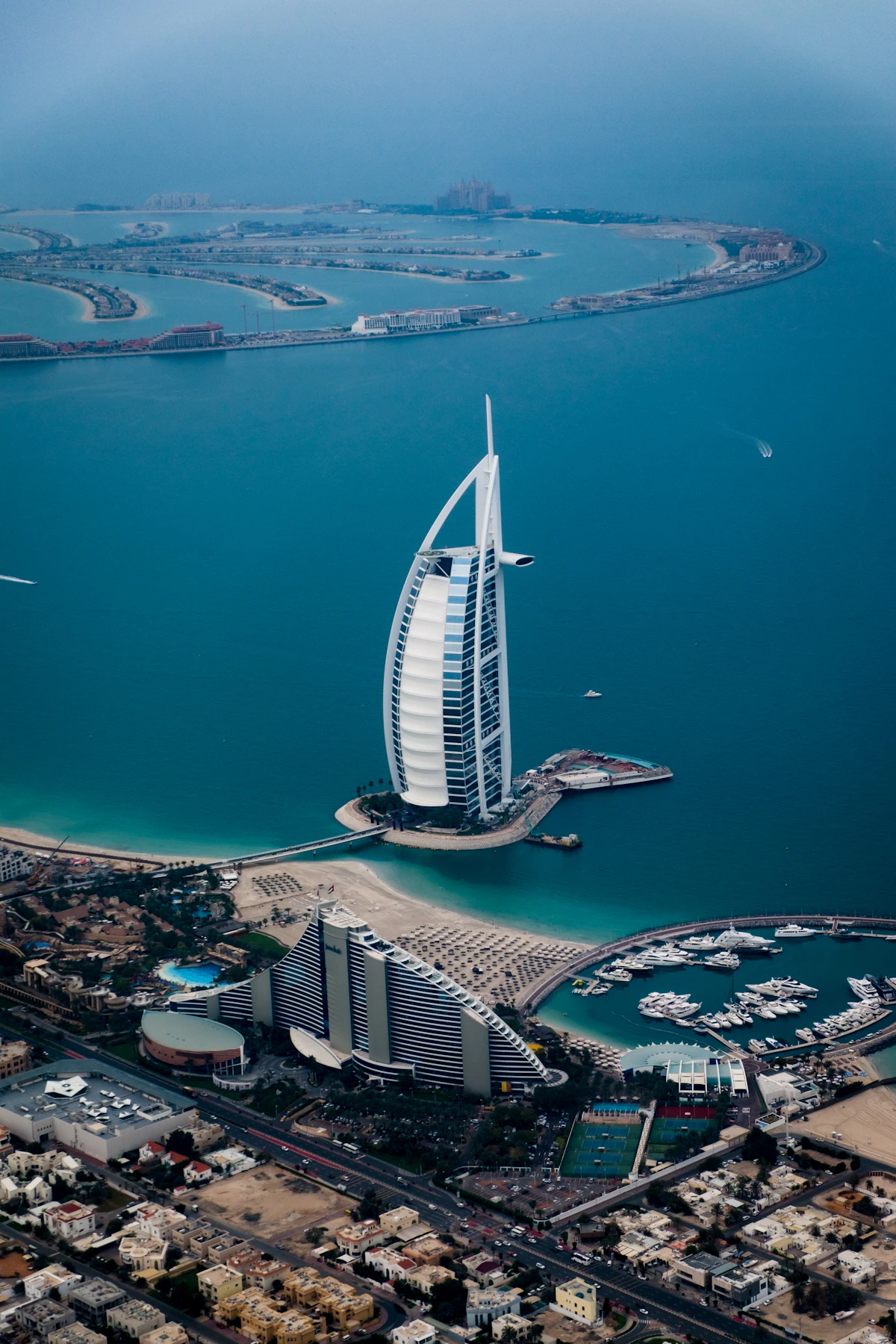
Overview
Lebanon packs extraordinary diversity into its small frame: Roman temples at Baalbek, Crusader castles, Phoenician ports, ski slopes and Mediterranean beaches all within a few hours drive. Beirut is the cultural heart of the Levant, renowned for its nightlife, food, and resilience.
Top Attractions
- Beirut
- Byblos
- Baalbek
Explore on the Map
Key locations and points of interest to help you visualize your journey.




Travel Guide
Best Time to Visit
The best time to visit Lebanon is during the spring (April to June) and autumn (September to November) [1, 2, 7]. During these periods, the weather is mild and pleasant, making it ideal for exploring archaeological sites, hiking in the mountains, and enjoying outdoor activities without the intense heat of summer or the winter rains [2, 3, 6]. Spring offers lush, green landscapes and blooming wildflowers, while autumn provides comfortable temperatures perfect for sightseeing and attending cultural events like the Beirut International Film Festival [3, 10]. While summer is popular for beachgoers, coastal temperatures can become quite hot [3, 5, 8]. Winter is the season for skiing in the mountains, though it brings cooler, wetter weather to the coast [5, 8].
Getting There
The primary gateway to Lebanon is the Beirut-Rafic Hariri International Airport (BEY), which serves as the country's sole commercial airport [5]. It is well-connected to major hubs across the Middle East, Europe, and North Africa, with numerous international airlines operating regular flights [5]. Travelers arriving from neighboring countries may consider overland options, though it is essential to check current border status and security advisories before planning, as land crossings can be subject to regional political instability. It is highly recommended to verify visa requirements and travel restrictions with your local embassy or consulate well in advance of your departure, as entry regulations can change frequently based on nationality and current geopolitical conditions.
Getting Around
Getting around Lebanon is relatively straightforward given the country's compact size. Public transit options include a network of buses and 'service' taxis (shared taxis), which are an affordable and popular way to travel between cities [8]. For more flexibility, car rentals are available, though driving in Beirut can be chaotic due to heavy traffic and limited parking. Ride-hailing apps are widely used and often provide a more reliable and comfortable experience than hailing taxis on the street. Walking is feasible and enjoyable in specific neighborhoods of Beirut, such as Hamra or Gemmayzeh, and in smaller historic towns like Byblos. However, for intercity travel, private transfers or organized tours are often the most convenient and stress-free options for international visitors.
Weather & Climate
Lebanon enjoys a classic Mediterranean climate characterized by four distinct seasons, which is unique in the region [2, 8]. Summers (June–August) are hot and humid on the coast, with temperatures often reaching 30°C–35°C, while mountain regions remain significantly cooler [1, 3, 5]. Winters (December–February) are mild on the coast but can be quite cold and rainy, with heavy snowfall in the higher elevations, supporting a thriving ski industry [5, 8]. Spring and autumn are the most temperate seasons, with average temperatures ranging from 20°C to 27°C [1, 3]. Visitors should pack light, breathable clothing for summer, layers for the transitional spring and autumn months, and warm, waterproof gear if visiting the mountains or traveling during the winter season [3, 8].
Currency & Costs
The local currency is the Lebanese Pound (LBP). Due to significant economic volatility, the financial landscape is complex; it is essential to check the most current exchange rates and banking regulations before arrival. While some businesses may accept US Dollars, the availability of ATMs and the reliability of card payments can fluctuate [8]. It is highly recommended to carry sufficient cash in both local currency and US Dollars. The daily budget can vary widely depending on your travel style; budget travelers can manage on modest amounts by eating local street food and using public transport, while those seeking fine dining and private accommodation will require a significantly higher budget. Always confirm payment methods with vendors in advance.
Language
The official language of Lebanon is Arabic. However, Lebanon is a multilingual society, and English is widely spoken and understood, particularly in urban centers like Beirut, in the hospitality industry, and among the younger generation [5]. French is also commonly used in business, education, and social circles, reflecting the country's historical ties. Learning a few basic Arabic phrases, such as 'Shukran' (Thank you) or 'Marhaba' (Hello), is greatly appreciated by locals and can enhance your travel experience. Most signage in tourist areas is provided in Arabic, French, and English, making navigation relatively easy for international visitors. You will rarely encounter significant language barriers in major cities or popular tourist destinations.
Safety Tips
Lebanon is a destination that requires careful planning and situational awareness. While many areas are safe for tourists, there are regions, particularly near the borders, that should be avoided due to security risks [8]. Travelers should monitor local news, follow the advice of their home country's embassy, and avoid any political demonstrations or large gatherings. Health precautions include drinking bottled water and ensuring your routine vaccinations are up to date. Comprehensive travel insurance that covers medical emergencies and potential evacuation is strongly recommended. Always keep emergency numbers saved and maintain a low profile. By staying informed and sticking to well-traveled tourist routes, visitors can enjoy the country's rich culture while minimizing risks.
Food & Drink
Lebanese cuisine is world-renowned for its freshness, flavor, and variety. Must-try dishes include 'mezze'—a selection of small plates like hummus, tabbouleh, fattoush, and kibbeh—which are perfect for sharing. For main courses, enjoy grilled meats like 'shish tawook' or fresh seafood along the coast. Don't miss 'manakish' for breakfast, a delicious flatbread topped with za'atar or cheese. Dining in Lebanon is a social event, and etiquette involves sharing dishes and enjoying long, leisurely meals. You can find everything from affordable, authentic street food stalls to high-end, sophisticated restaurants in Beirut. Be sure to try local Arak, an anise-flavored spirit, and explore the country's growing wine industry, particularly in the Bekaa Valley [2].
Local Culture & Customs
Lebanese culture is a vibrant blend of Middle Eastern traditions and Mediterranean influences. The society is generally hospitable and values social connections. When visiting, it is respectful to dress modestly, especially when visiting religious sites, where covering shoulders and knees is expected. Lebanon is home to diverse religious communities, and it is important to be mindful of local customs and traditions. Photography is generally welcomed, but always ask for permission before taking photos of individuals or sensitive government and military installations. Social etiquette emphasizes politeness and respect for elders. By showing an interest in the local history and culture, visitors will find the Lebanese people to be incredibly welcoming and eager to share their heritage.
Practical Information
Visa requirements for Lebanon vary by nationality, so check with your nearest embassy before traveling. The electrical system uses 230V with Type C and Type F plugs, so bring a universal adapter if necessary. Tipping is customary in restaurants, with 10-15% being standard if a service charge is not already included. Shopping hours are generally long, with many stores open late into the evening. For connectivity, purchasing a local SIM card at the airport or in city centers is the most cost-effective way to stay online. Wi-Fi is available in most hotels and cafes, though speeds can vary. Always carry a copy of your passport and travel documents, and keep a digital backup of important information.
FAQ
Is it safe to travel to Lebanon right now?
Safety varies by region; it is essential to check your government's latest travel advisories and avoid border areas [8].
What is the best time to visit for good weather?
Spring (April–June) and autumn (September–November) offer the most pleasant, mild weather for sightseeing [1, 2, 7].
Do I need a visa to enter Lebanon?
Visa requirements depend on your nationality; check with the nearest Lebanese embassy or consulate before your trip.
Is English widely spoken in Lebanon?
Yes, English is widely spoken and understood in cities and tourist areas, alongside Arabic and French.
What is the currency situation in Lebanon?
The local currency is the Lebanese Pound, but the economic situation is volatile; carry cash in both LBP and USD.
