Latvia
Art nouveau capital, Baltic coast and Gauja valleys.
Overview
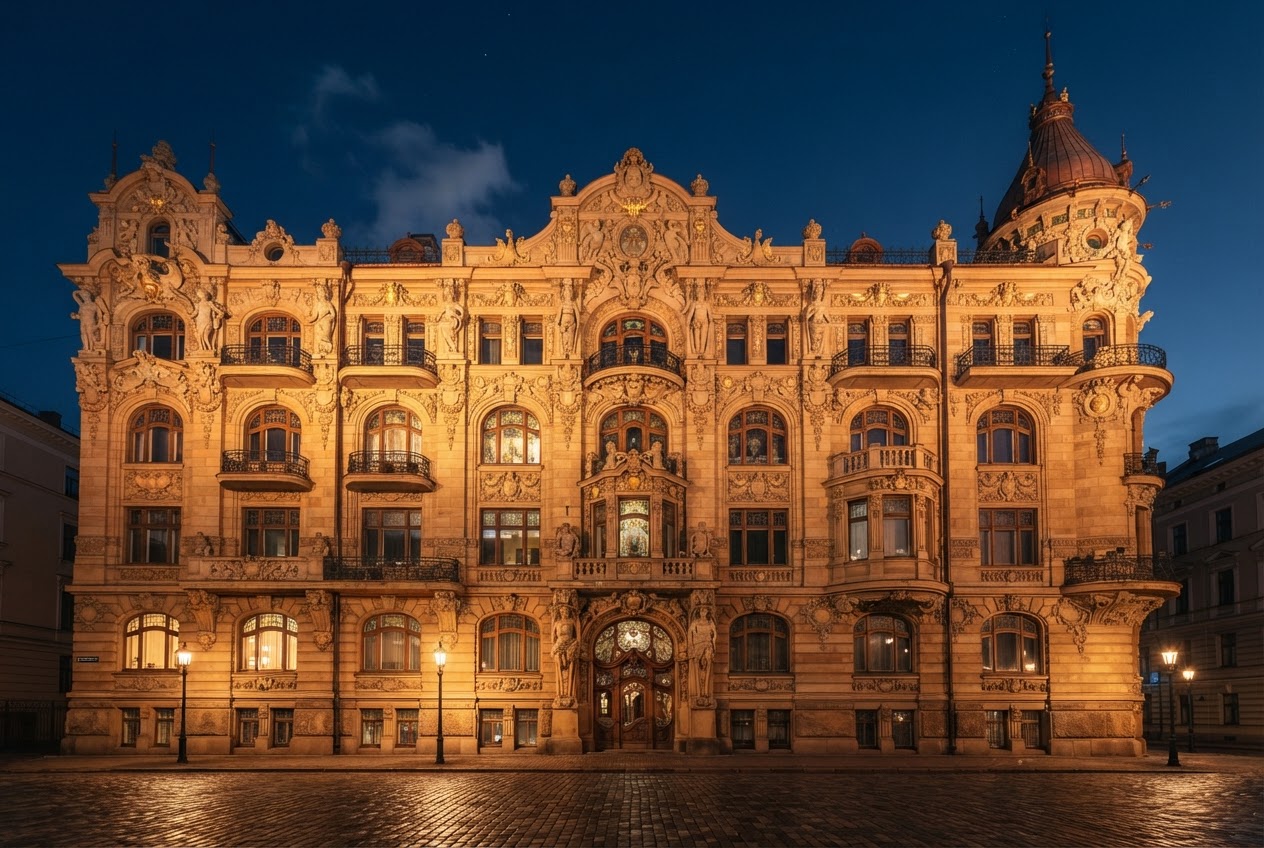
Latvia is home to Riga’s art nouveau heart, the Jurmala coast and the forests of Gauja National Park.
Top Attractions
- Riga
- Jūrmala
- Sigulda
- Cēsis
Explore on the Map
Key locations and points of interest to help you visualize your journey.












Travel Guide
Best Time to Visit
The best time to visit Latvia is from late spring through early autumn, specifically May to September. During these months, the weather is mild and pleasant, with long daylight hours perfect for exploring Riga’s historic streets, the Baltic coastline, and national parks. July and August represent the peak tourist season, offering the warmest temperatures and a vibrant calendar of outdoor festivals and events. For travelers seeking a quieter experience, September is an excellent choice, as the crowds thin out and the landscape transforms with stunning autumn foliage. While winters are cold and snowy, they offer a unique charm for those interested in winter sports or cozy city breaks, though many outdoor attractions are less accessible during this time.
Getting There
Latvia is well-connected to the rest of Europe and beyond, primarily through Riga International Airport (RIX), which serves as the main hub for the Baltic states. Major airlines, including national carrier airBaltic, offer frequent connections to numerous European cities. Flight durations from major hubs like London are approximately 2.5 to 3 hours. For those traveling overland, Latvia is accessible via international bus services that connect Riga to neighboring countries like Estonia, Lithuania, and Poland. While train travel between countries is currently limited, the bus network is extensive and reliable. Travelers arriving by car should be aware of border crossing procedures, particularly when traveling to or from non-EU neighbors, where wait times can be significantly longer.
Getting Around
Navigating Latvia is straightforward, though the method depends on your destination. Riga and other major cities are highly walkable, with compact centers that are best explored on foot. Public transportation within cities consists of trams, buses, and trolleybuses, which are affordable and efficient. For travel between cities, buses are the preferred mode of transport as they are more frequent and extensive than the rail network. For maximum flexibility, especially when visiting rural national parks or the coast, renting a car is highly recommended. Ride-hailing services like Bolt are widely available and offer a convenient, cost-effective way to get around urban areas. While public transit is excellent in the capital, it becomes more limited in remote regions, making private transport or guided tours a better option for deeper exploration.
Weather & Climate
Latvia experiences a temperate climate with four distinct seasons. Summers (June–August) are mild and sunny, with average temperatures around 22°C, making them ideal for outdoor activities. Autumn (September–November) brings cooler temperatures and beautiful foliage, though rain becomes more frequent. Winters (December–March) are cold, with temperatures often dropping below freezing and regular snowfall, requiring heavy winter gear like thermal layers, insulated coats, and sturdy boots. Spring (April–May) is a transitional period where the landscape begins to bloom, though it can remain chilly. Regardless of the season, it is wise to pack layers, as weather conditions can change quickly. Waterproof clothing is essential year-round, particularly if you plan to explore the country’s beautiful bogs, forests, or coastal areas.
Currency & Costs
The official currency of Latvia is the Euro (EUR). Latvia is a modern, digital-friendly economy where credit and debit cards, particularly Visa and Mastercard, are widely accepted in shops, restaurants, and hotels. However, it is advisable to carry a small amount of cash for smaller vendors, rural markets, or local cafes that may not accept cards. ATMs are readily available throughout cities and towns. While there is no strict daily budget, travelers can manage a comfortable trip on a moderate budget by balancing local dining with occasional fine dining. Tipping is appreciated but not mandatory; rounding up the bill or leaving 5-10% in restaurants is standard practice for good service. Always ensure you have a mix of payment methods to ensure seamless travel across the country.
Language
The official language of Latvia is Latvian, a Baltic language with a unique linguistic history. In major tourist areas, hotels, and restaurants in Riga, English proficiency is generally high, and most younger Latvians speak it fluently. However, learning a few basic phrases can greatly enhance your experience and is appreciated by locals. Useful phrases include 'Sveiki' (Hello), 'Paldies' (Thank you), and 'Ata' (Goodbye). In more rural areas, English proficiency may be lower, so having a translation app or a small phrasebook can be helpful. While Russian is also spoken by a portion of the population, English remains the primary language for international visitors. Being polite and attempting a few words in Latvian is a wonderful way to show respect for the local culture.
Safety Tips
Latvia is considered a safe destination for travelers, with a low overall crime rate. Visitors should exercise normal precautions, such as being mindful of their belongings in crowded tourist areas like Riga’s Old Town to prevent petty theft or pickpocketing. Emergency services can be reached by dialing 112. Health standards are high, and no specific vaccinations are required for entry. It is strongly recommended that all travelers obtain comprehensive travel and medical insurance before departure to cover any unforeseen circumstances. While the country is stable, it is always wise to stay informed about local news and follow any guidance provided by your home country’s embassy. By maintaining situational awareness and respecting local laws, travelers can enjoy a secure and worry-free visit to this beautiful Baltic nation.
Food & Drink
Latvian cuisine is hearty, seasonal, and deeply rooted in local agriculture, with a strong emphasis on dairy, potatoes, and rye bread. Must-try dishes include 'pelēkie zirņi ar speķi' (grey peas with bacon) and delicious potato pancakes, often served with sour cream and salmon. Dairy products are a staple, and you will find a variety of fresh cheeses and yogurts. For a sweet treat, try the local honey or berry-based desserts. Dining in Latvia ranges from affordable, traditional taverns to sophisticated fine-dining establishments in Riga that offer modern interpretations of Baltic flavors. Tipping is not strictly required but is common for good service. When dining out, enjoy the local craft beer scene or try 'Riga Black Balsam,' a traditional herbal liqueur that is a true cultural icon.
Local Culture & Customs
Latvian culture is a blend of ancient Baltic traditions and modern European influences. Latvians are generally reserved but welcoming, and social etiquette values politeness and punctuality. When visiting churches or religious sites, dress modestly out of respect. Photography is generally permitted in public spaces, though it is polite to ask before taking photos of individuals. The country has a rich history, and visiting sites like the Museum of the Occupation of Latvia provides essential context for understanding the national identity. Traditional festivals, such as the Midsummer celebration (Jāņi), are deeply significant and involve unique customs like wearing flower crowns and lighting bonfires. Respecting these traditions and observing local social norms will ensure a positive and enriching interaction with the local community throughout your stay.
Practical Information
Latvia is part of the Schengen Area, so check visa requirements based on your nationality before traveling. The country uses Type C and F electrical plugs, with a standard voltage of 230V. Internet connectivity is excellent, with high-speed Wi-Fi available in most hotels, cafes, and public spaces; purchasing a local SIM card is an easy and affordable option for staying connected. Shopping hours in cities are generally convenient, with many stores open daily, though smaller shops may have shorter hours on Sundays. Tipping is not mandatory but appreciated; 5-10% is standard in restaurants. Always carry your passport or a valid ID, as you may be required to present it for certain services. Being prepared with these practical details will help ensure a smooth and enjoyable trip to Latvia.
FAQ
Is Latvia safe for solo travelers?
Yes, Latvia is considered very safe for solo travelers, with low crime rates and a welcoming atmosphere in major cities.
Do I need a visa to visit Latvia?
Travelers from many countries, including the EU, US, and Canada, do not need a visa for short stays, but you should check your specific requirements based on your nationality.
Can I get by with only English in Latvia?
Yes, in Riga and major tourist areas, English is widely spoken, though learning a few basic Latvian phrases is always appreciated.
What is the best way to travel between cities?
Buses are the most reliable and extensive way to travel between cities, though renting a car offers more flexibility for exploring rural areas.
Is it expensive to visit Latvia?
Latvia is generally considered an affordable European destination, offering a range of options from budget-friendly hostels to high-end dining.