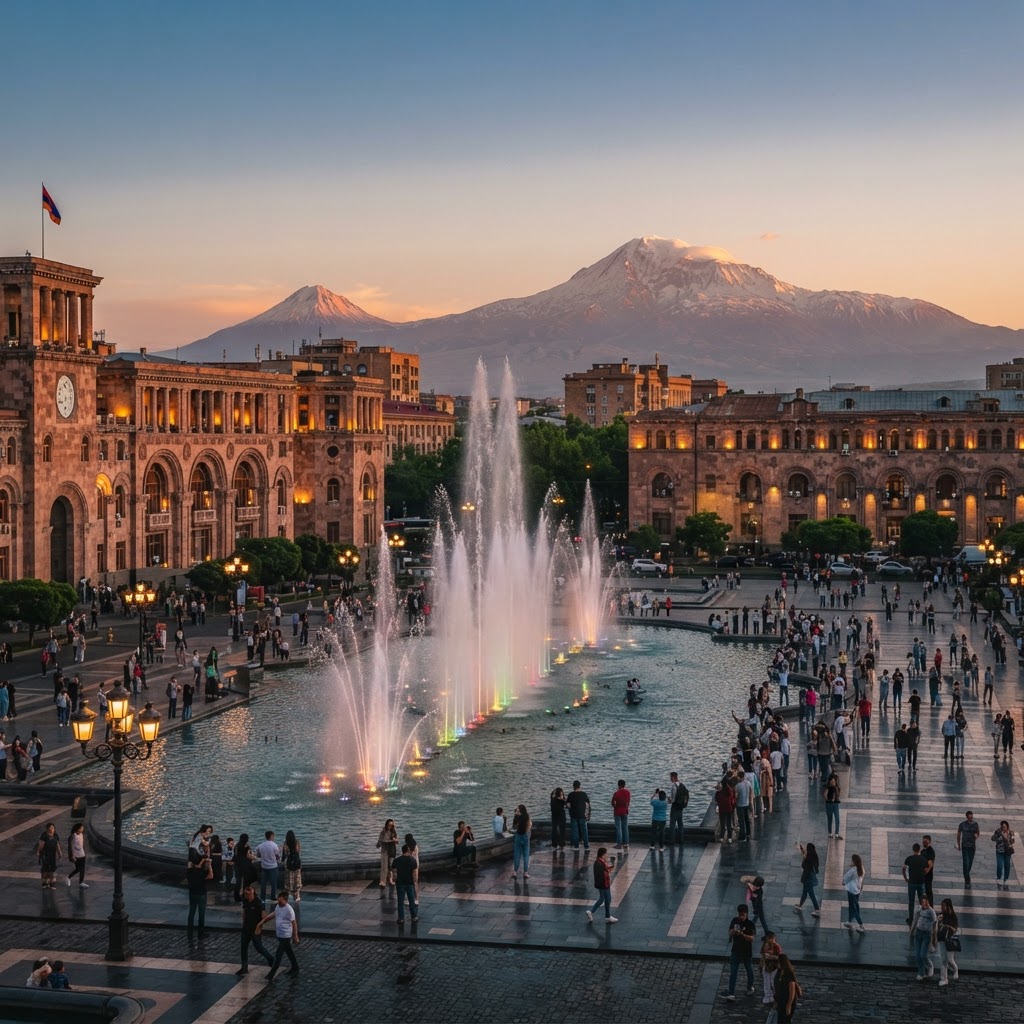
Kyrgyzstan
Kyrgyzstan is an extraordinary Central Asian nation dominated by the spectacular Tian Shan mountain range, which covers over 80% of its landmass. Known as the 'Switzerland of Central Asia,' the country is a paradise for adventurers and nature lovers who seek untouched alpine scenery, vast high-altitude lakes, and the authentic remnants of nomadic culture. The landscape is a breathtaking array of jagged glaciers, rolling pastures known as 'jailoos', and deep river valleys that have remained virtually unchanged for centuries. Kyrgyzstan is unique in the region for its vibrant tradition of community-based tourism, where visitors can stay in traditional yurts, ride horses with local herders, and experience genuine, grassroots hospitality. The country's nomadic heritage is alive and well, with traditions like eagle hunting, felt-making, and nomadic games still central to the social fabric. Beyond the wilderness, the country offers a rich history centered on the Silk Road, with ancient stone minarets and caravanserais telling stories of traders who traversed these mountains long ago. Kyrgyzstan stands as a beacon for those looking for a travel experience that prioritizes connection to nature and culture over commercial tourism. It is a land of wide-open spaces, deep blue skies, and an unparalleled sense of freedom that is rarely found in the modern world.
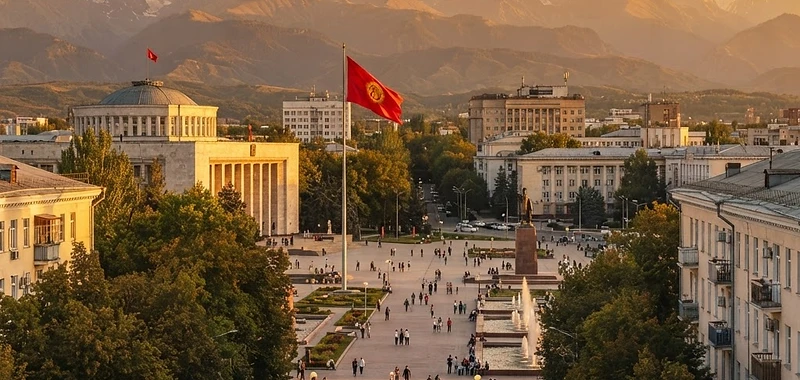
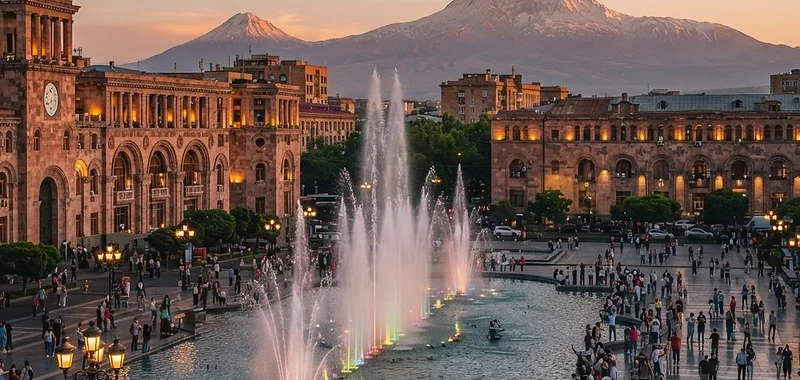
Kyrgyzstan in Photos


Overview
Kyrgyzstan is a nation that embodies the spirit of the nomad, defined by its rugged landscape and the enduring warmth of its people. With an average elevation that ranks among the highest in the world, the country offers a dramatic vertical geography that attracts hikers, mountaineers, and road trippers alike. The Kyrgyz culture is deeply rooted in oral history, most famously the Epic of Manas, a massive traditional poem that remains the pride of the nation. Travel in Kyrgyzstan is often characterized by the 'jailoo' experience, where guests stay with nomadic families in high-mountain pastures during the summer months. This immersion allows for a rare perspective on life governed by the cycles of nature rather than the clock. The capital, Bishkek, acts as a modern, green anchor, while the rest of the country is a vast playground of natural wonders, such as the jewel-like Issyk-Kul Lake, the second-largest alpine lake in the world. Despite the challenges of its remote terrain, Kyrgyzstan is a leader in sustainable tourism, encouraging travelers to support local communities through eco-tours and homestays. Visitors will find that the lack of excessive tourist infrastructure is one of the country's greatest assets, fostering an environment where spontaneous interactions and unique local experiences are the norm. Whether you are navigating the scenic passes of the Pamir Highway, relaxing in the yurt camps of Song-Kul, or exploring the ancient ruins of Burana Tower, Kyrgyzstan leaves a lasting impression through its sheer, unadulterated beauty and the profound resilience of its nomadic spirit.
Top Attractions
- Bishkek
- Issyk-Kul Lake
- Song-Kul Lake
- Karakol
- Arslanbob
Explore on the Map
Key locations and points of interest to help you visualize your journey.
Travel Information
Kyrgyzstan is accessed primarily through Manas International Airport in Bishkek. The country has a very welcoming visa policy, offering visa-free entry to dozens of nationalities for up to 60 days. Traveling around Kyrgyzstan requires a degree of patience, as the mountainous geography means that travel times can be long even for short distances. Marshrutkas are the backbone of public transport, but for more comfort, private drivers or specialized tour operators are recommended. The Kyrgyz Som (KGS) is the local currency, and while larger hotels and some shops accept cards, the economy is overwhelmingly cash-based. Summer (June to September) is the prime season for trekking and visiting mountain lakes. It is essential to carry warm clothing even in summer, as temperatures at high altitudes can drop significantly at night. Travel insurance that covers mountain activities is highly advisable. While the locals are incredibly friendly, English is not spoken widely outside of tourist hubs and the capital; using a phrasebook or a translation app is highly recommended for anyone planning to venture into more rural provinces.
Travel Guide
FAQ
Is it safe to travel in Kyrgyzstan?
Yes, Kyrgyzstan is generally very safe and stable, though travelers should use common sense in urban areas and when hiking in remote locations.
What is the best time to visit?
The best time for trekking and camping is from mid-June to early September when mountain passes are accessible and weather is warm.
Do I need a permit for hiking?
Some border areas and high-altitude regions (like Enilchek) require a separate border permit, so check your itinerary well in advance.
What is the local food like?
The food is hearty and based on meat, dough, and dairy, featuring delicious staples like lagman noodles, beshbarmak, and fresh flatbreads.
Are there ATMs in remote areas?
ATMs are readily available in Bishkek and major towns like Karakol or Osh, but they are scarce in rural villages.
FAQ
Is it safe to travel in Kyrgyzstan?
Yes, Kyrgyzstan is generally very safe and stable, though travelers should use common sense in urban areas and when hiking in remote locations.
What is the best time to visit?
The best time for trekking and camping is from mid-June to early September when mountain passes are accessible and weather is warm.
Do I need a permit for hiking?
Some border areas and high-altitude regions (like Enilchek) require a separate border permit, so check your itinerary well in advance.
What is the local food like?
The food is hearty and based on meat, dough, and dairy, featuring delicious staples like lagman noodles, beshbarmak, and fresh flatbreads.
Are there ATMs in remote areas?
ATMs are readily available in Bishkek and major towns like Karakol or Osh, but they are scarce in rural villages.
Popular Tours

Almaty Adventure — 6 Days 5 Nights
An unforgettable 6 Days / 5 Nights adventure in Almaty, Kazakhstan — majestic mountains, crystal-clear lakes, exciting excursions and incredible city experiences. Kok Tobe, Medeo & Shymbulak, Charyn Canyon, Kolsai Lake and Alma-Arasan Gorge.

Discover the Beauty of Azerbaijan — 6 Days 5 Nights
5 Nights / 6 Days of nature, culture & adventure across Azerbaijan — Gabala, Shahdag, Baku City Tour, Absheron (Fire Mountain & Ateshgah), and Gobustan (petroglyphs & mud volcanoes). All-inclusive from $530 per person.

Georgia Unforgettable — 6 Days 5 Nights
An unforgettable 6 Days / 5 Nights Georgia tour — Tbilisi, Gudauri & Kazbegi, Gergeti Trinity Church, Ananuri Fortress, Mtskheta & Jvari, Sighnaghi & Kakheti wine region. 4-star hotel, private transport, English-speaking guide.