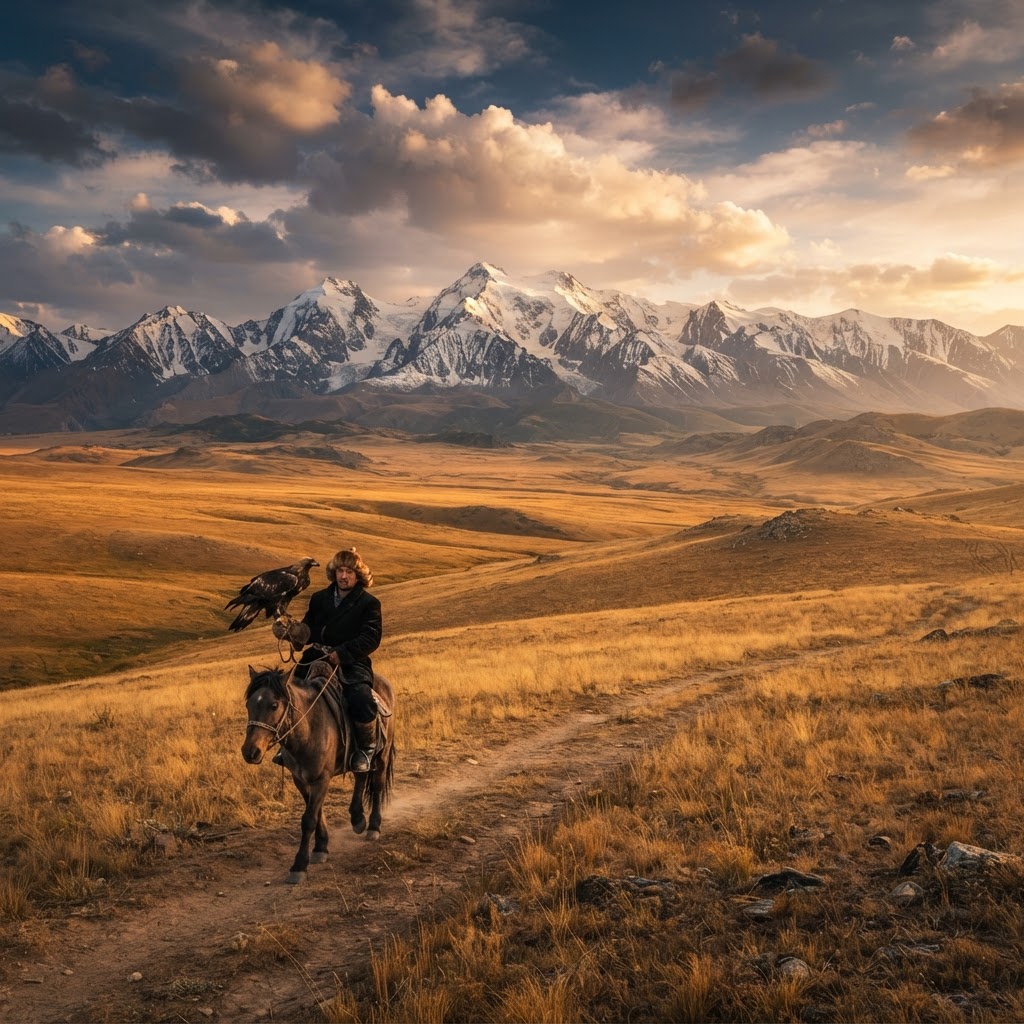
Kazakhstan
Vast steppes, futuristic cities, and Silk Road heritage across the heart of Central Asia.
Kazakhstan in Photos
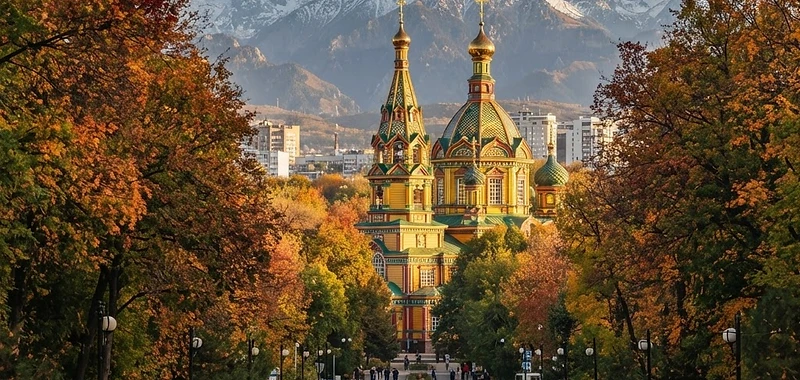
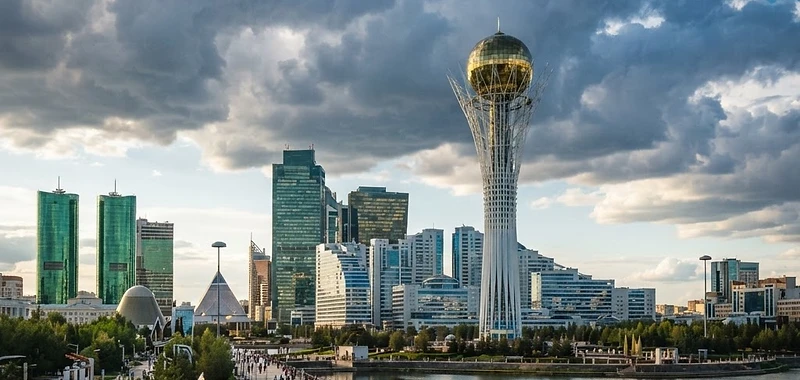

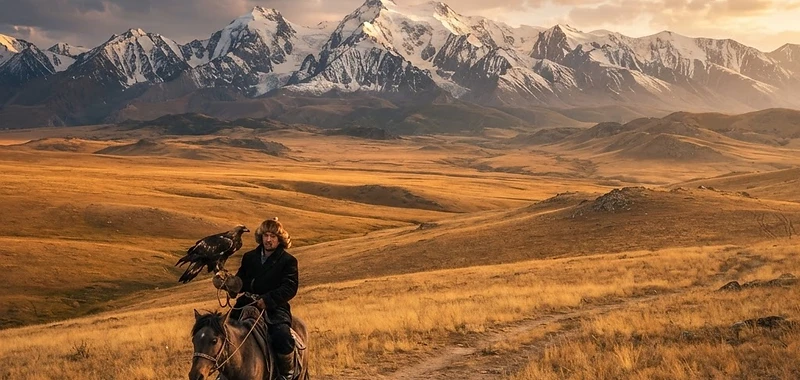

Overview
Kazakhstan is the world's largest landlocked country — a land of boundless golden steppe, snow-capped Tian Shan mountains, and modern cities rising from the plains. It bridges Europe and Asia along the ancient Silk Road, where nomadic traditions meet 21st-century ambition. Travelers come for Almaty's leafy boulevards and alpine lakes, Astana's bold futuristic skyline, the canyons and dunes of the Charyn and Kyzylkum, and the warm hospitality of a culture that still rides, sings, and feasts beneath the open sky.
Top Attractions
- Almaty
- Astana
- Shymkent
- Aktau
Explore on the Map
Key locations and points of interest to help you visualize your journey.


Travel Information
Visa-free or visa-on-arrival for most nationalities (up to 30–90 days). Almaty and Astana have international airports with direct flights from Europe, the Gulf, and Asia. Best time to visit: April–June and September–October. Currency: Kazakhstani Tenge (KZT). Russian and Kazakh are official languages; English is spoken in major hotels and cities. Tap water is generally safe in cities; bottled water is recommended in rural areas.
Travel Guide
Best Time to Visit
The best time to visit Kazakhstan is during the shoulder seasons of spring (April to June) and autumn (September to October). During these months, the weather is mild and pleasant, making it ideal for exploring cities, hiking in the Tian Shan mountains, or visiting the Charyn Canyon. Summer (July-August) is perfect for high-altitude trekking and visiting northern regions, though it can be quite hot in the south. Winter is extreme but attracts adventure seekers for skiing at resorts like Shymbulak. A major cultural highlight is Nauryz, the Persian New Year celebrated in late March, which features traditional festivities, food, and music. Travelers should plan according to their specific interests, as the country's vast size creates significant regional climate variations.
Getting There
Kazakhstan is a major regional aviation hub with international airports in Almaty and Astana serving as primary entry points. The country is well-connected via direct flights from numerous cities across Europe, Asia, and the Middle East, including hubs like Istanbul, Dubai, and Beijing. Major carriers operate frequent routes, and the aviation infrastructure has seen significant safety improvements. For those traveling overland, Kazakhstan shares extensive borders with Russia, China, Kyrgyzstan, Uzbekistan, and Turkmenistan, with various road and rail crossings available. Travelers should verify visa requirements well in advance, as many nationalities enjoy visa-free entry for up to 30 days, while others may require an e-visa or formal invitation letter.
Getting Around
Navigating Kazakhstan is manageable despite its vast size. Domestic flights are the most efficient way to cover long distances between major cities like Almaty and Astana. For a more scenic and budget-friendly experience, the national rail network offers reliable overnight trains. Within cities, public buses are widely available, and ride-hailing apps like Yandex Go and Uber are the preferred, transparent, and cost-effective methods for getting around. Taxis are plentiful, though it is recommended to use apps rather than hailing them on the street to ensure fixed, fair pricing. While car rentals are an option for those comfortable with long-distance driving, many travelers prefer hiring private drivers for excursions to remote natural sites.
Weather & Climate
Kazakhstan experiences an extreme continental climate characterized by hot summers and very cold winters. In summer, temperatures can soar between 22°C and 32°C, while winter temperatures frequently drop well below freezing, often reaching -10°C or lower. Spring and autumn offer the most comfortable temperatures, typically ranging from 10°C to 20°C. Packing requires a versatile, layered approach. For summer, bring lightweight, breathable clothing and sun protection. For winter, heavy thermal layers, a high-quality insulated coat, gloves, and sturdy, waterproof boots are essential. Regardless of the season, always carry a windbreaker or light jacket, as the vast steppe landscape can be subject to sudden, biting winds.
Currency & Costs
The official currency is the Kazakhstani Tenge (KZT). While cash is useful for small purchases in markets or rural areas, major international credit and debit cards (Visa and MasterCard) are widely accepted in hotels, restaurants, and shops in larger cities. ATMs are readily available in urban centers; however, it is advisable to use those located inside bank branches for security. Currency exchange kiosks are common at airports and throughout cities, but you must present your passport to perform transactions. The daily budget varies significantly based on travel style, but mid-range travelers can expect to spend comfortably by balancing local dining with occasional fine dining and using ride-hailing services.
Language
The official language is Kazakh, which is a Turkic language. Russian is also widely spoken and serves as a primary language for business and inter-ethnic communication. In major cities like Almaty and Astana, English proficiency is growing, particularly among the younger generation and those working in the tourism and hospitality sectors. However, English is less common in rural areas. It is highly recommended to learn a few basic phrases in Kazakh or Russian, such as greetings and 'thank you,' which are greatly appreciated by locals. Carrying a translation app or a small phrasebook can be very helpful when navigating off the beaten path.
Safety Tips
Kazakhstan is generally considered a safe destination for international travelers, including solo and female visitors. Violent crime is rare, but petty theft and pickpocketing can occur in crowded areas, so remain vigilant. Always carry your original passport or a valid ID, as police may request it for identification. In terms of health, ensure you have comprehensive travel insurance that covers medical emergencies. Tap water is generally not recommended for drinking; stick to bottled or filtered water. Emergency services can be reached by dialing 112. Respect local laws, particularly regarding public behavior and photography of government buildings, and avoid political demonstrations to ensure a smooth and trouble-free visit.
Food & Drink
Kazakh cuisine is deeply rooted in nomadic traditions, focusing on meat and dairy. Must-try dishes include 'beshbarmak' (boiled meat with noodles), 'kazy' (horse meat sausage), and 'baursaks' (fried dough). For a refreshing drink, try 'shubat' (fermented camel milk) or 'kumis' (fermented mare's milk). The dining scene in cities like Almaty and Astana is diverse, offering everything from traditional yurts serving authentic nomadic fare to high-end international restaurants. Dining etiquette is generally relaxed, but it is polite to accept tea and snacks when offered. Tipping is not mandatory but is increasingly common in upscale restaurants, where a 10% gratuity is appreciated. Vegetarians may find options more limited in traditional settings, but modern urban cafes cater to a wide variety of dietary preferences.
Local Culture & Customs
Kazakh culture is a unique blend of nomadic heritage and modern influences. Hospitality is a cornerstone of society; guests are treated with great respect and generosity. When visiting religious sites, dress modestly—shoulders and knees should be covered, and women may need to cover their heads. While the country is secular, respect for Islamic traditions is important, especially during religious holidays. Photography is generally welcomed, but always ask for permission before taking photos of locals, particularly in rural areas or near religious sites. Avoid public displays of affection and be mindful of local customs regarding footwear, which is often removed before entering homes or certain traditional establishments.
Practical Information
Most visitors can enter Kazakhstan visa-free for up to 30 days, but always check the latest requirements for your nationality before departure. The electrical system uses Type C and F plugs with a standard voltage of 220V. Internet connectivity is generally good in cities, though it can be spotty in remote areas; purchasing a local SIM card at the airport is an easy way to stay connected. Shopping hours are typically 9:00 AM to 6:00 PM, though malls often stay open later. Tipping is not strictly required but is a nice gesture for good service. Download the 2GIS app for excellent offline maps and public transport navigation, which is far more accurate than standard map apps in the region.
FAQ
Do I need a visa to visit Kazakhstan?
Many nationalities, including citizens of the US, Canada, and many European countries, can enter Kazakhstan visa-free for up to 30 days. Always check the latest government regulations before you travel.
Is it safe to travel to Kazakhstan?
Yes, Kazakhstan is considered a safe country for tourists. Standard travel precautions apply, such as being aware of your surroundings in crowded areas and keeping your passport with you.
What is the best way to get around the country?
Domestic flights are best for long distances, while trains are great for scenic travel. Within cities, use ride-hailing apps like Yandex Go for the most reliable and transparent taxi service.
Is English widely spoken?
English is becoming more common in major cities and tourist hubs, but it is not widely spoken in rural areas. Learning a few basic phrases in Russian or Kazakh is very helpful.
Can I use my credit card in Kazakhstan?
Yes, credit and debit cards are widely accepted in hotels, restaurants, and shops in major cities. However, it is wise to carry some cash for markets and smaller, rural establishments.
FAQ
Do I need a visa for Kazakhstan?
Citizens of most EU, Gulf, CIS, and many Asian countries can visit visa-free for 30–90 days. Others can obtain an e-visa online. Check the official Kazakh migration portal for your nationality before traveling.
What is the best time to visit?
Spring (April–June) and autumn (September–October) offer mild weather and clear skies. Summers can be hot on the steppe, while winters are bitterly cold but ideal for skiing near Almaty.
Is Kazakhstan safe for tourists?
Yes — Kazakhstan is one of the safest and most stable countries in Central Asia. Standard precautions apply as in any major city.
How do I get around?
Domestic flights connect Almaty, Astana, Shymkent, and Aktau. High-speed trains run between major cities, and ride-hailing apps (Yandex Go) work well in urban areas.
Popular Tours

Almaty Adventure — 6 Days 5 Nights
An unforgettable 6 Days / 5 Nights adventure in Almaty, Kazakhstan — majestic mountains, crystal-clear lakes, exciting excursions and incredible city experiences. Kok Tobe, Medeo & Shymbulak, Charyn Canyon, Kolsai Lake and Alma-Arasan Gorge.

Discover the Beauty of Azerbaijan — 6 Days 5 Nights
5 Nights / 6 Days of nature, culture & adventure across Azerbaijan — Gabala, Shahdag, Baku City Tour, Absheron (Fire Mountain & Ateshgah), and Gobustan (petroglyphs & mud volcanoes). All-inclusive from $530 per person.

Georgia Unforgettable — 6 Days 5 Nights
An unforgettable 6 Days / 5 Nights Georgia tour — Tbilisi, Gudauri & Kazbegi, Gergeti Trinity Church, Ananuri Fortress, Mtskheta & Jvari, Sighnaghi & Kakheti wine region. 4-star hotel, private transport, English-speaking guide.