Jordan
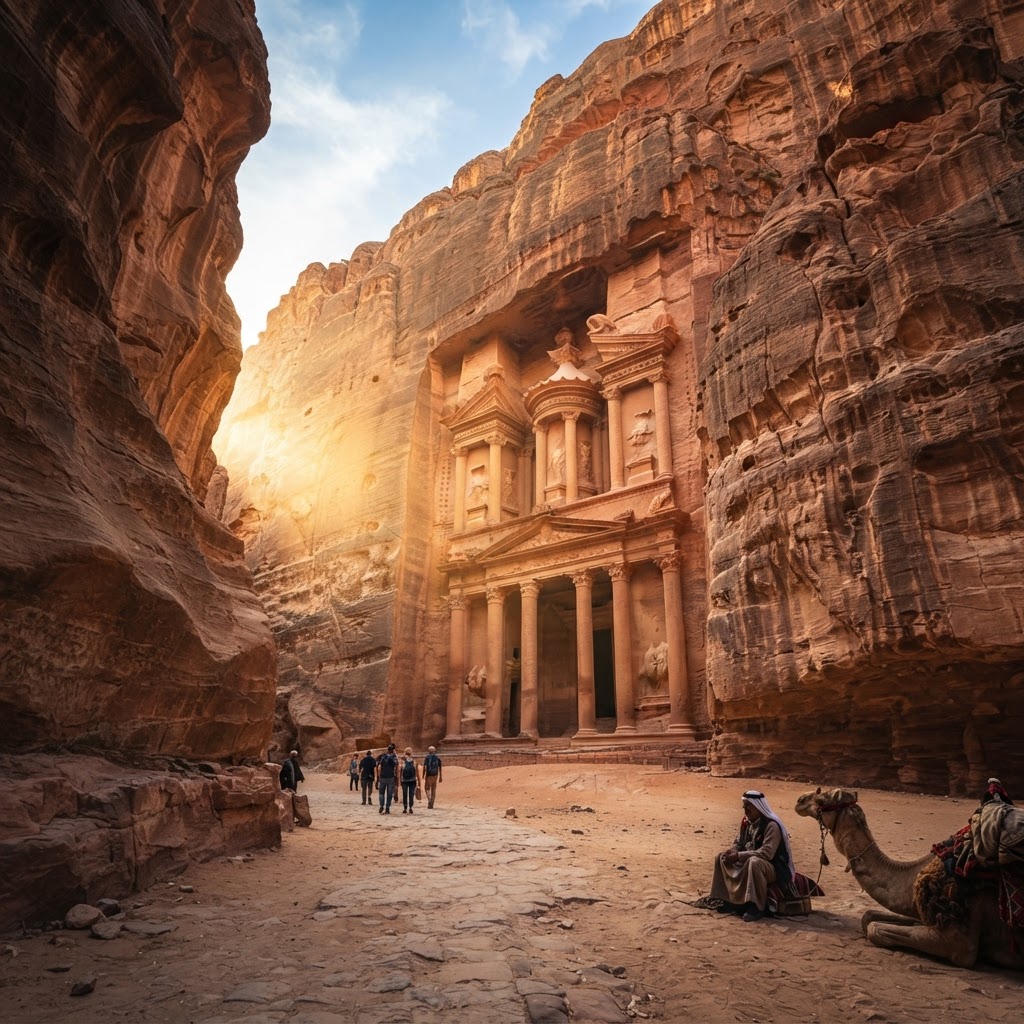
The rose-red city of Petra, Wadi Rum's desert moonscapes, and the healing Dead Sea.
Jordan in Photos

Overview
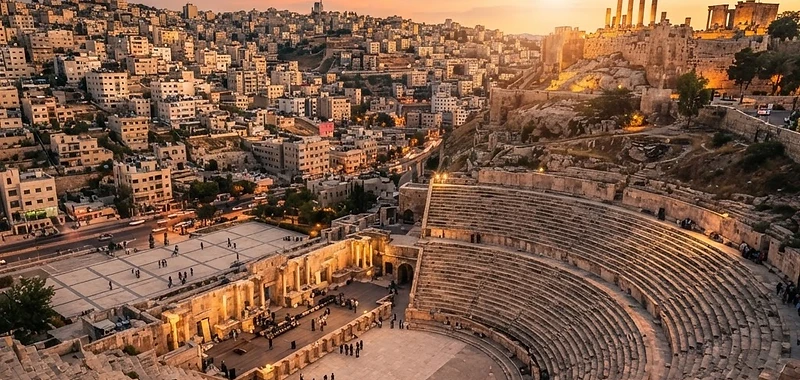
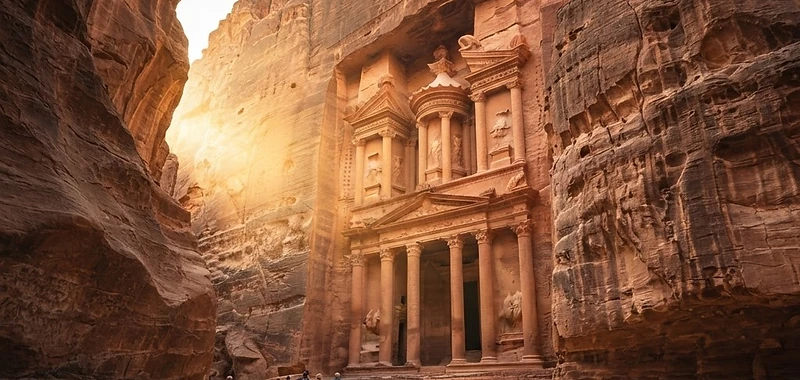
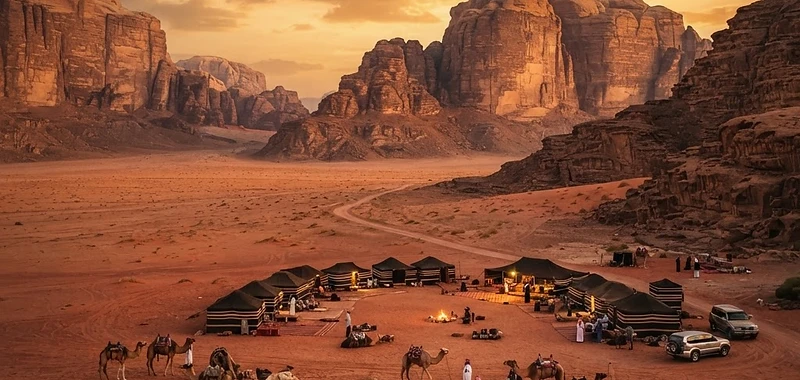
Jordan is a compact kingdom packed with wonders — the rose-red Nabataean city of Petra carved into desert canyons, the otherworldly red dunes and rock bridges of Wadi Rum, the buoyant mineral waters of the Dead Sea (the lowest point on Earth), and the coral reefs of Aqaba on the Red Sea. Add the ancient Roman streets of Jerash, the mosaics of Madaba, and the welcoming Bedouin culture, and Jordan delivers one of the richest, most varied travel experiences in the Middle East within easy reach of one another.
Top Attractions
- Amman
- Petra
- Wadi Rum
- Aqaba
- Dead Sea
Explore on the Map
Key locations and points of interest to help you visualize your journey.


Travel Information
Visa-on-arrival or Jordan Pass (which includes visa and entry to Petra) for most nationalities. Best time to visit: March–May and September–November. Currency: Jordanian Dinar (JOD). Arabic is official; English widely spoken. Jordan is one of the safest and most tourist-friendly countries in the region. Tap water is safe in cities; bottled water recommended.
Travel Guide
Best Time to Visit
The optimal time to visit Jordan is during the spring (March to May) and autumn (September to November) shoulder seasons. During these months, temperatures are mild and pleasant, making it ideal for exploring UNESCO World Heritage sites like Petra and the vast desert landscapes of Wadi Rum without the intensity of summer heat. April is widely considered the best month, offering blooming wildflowers and perfect weather across the country. While summer (June to August) is hot, it remains a viable option for those focused on the Red Sea coast in Aqaba or those who are heat-adapted. Winter (December to February) is the budget season; while cooler and occasionally rainy, it offers smaller crowds and unique opportunities to experience the Dead Sea and local flora in the north.
Getting There
Jordan is well-connected internationally, primarily through Queen Alia International Airport (AMM) in Amman, which serves as the main gateway for most travelers. Major international airlines offer frequent connections to Amman from Europe, the Middle East, and North America. For those visiting the Red Sea, King Hussein International Airport (AQJ) in Aqaba provides an alternative entry point, often served by low-cost carriers. Overland travel is also possible, with border crossings available from neighboring countries like Israel and the West Bank, though travelers should always verify current political conditions and visa requirements for land borders. Once in the country, organized tours or private transfers are common ways to reach major tourist hubs from the airport, ensuring a seamless start to your Jordanian adventure.
Getting Around
Getting around Jordan is relatively straightforward, with a well-maintained network of highways connecting major sites. Renting a car is the most popular and flexible option for independent travelers, allowing for easy navigation between Amman, Petra, and Wadi Rum. For those preferring not to drive, the JETT bus company provides reliable, comfortable, and affordable public transport between major tourist destinations. Within cities, taxis are abundant and inexpensive; it is advisable to ensure the meter is running or agree on a fare beforehand. Ride-hailing apps like Uber and Careem are widely available in Amman and offer a convenient, transparent alternative to traditional taxis. While walking is feasible in the compact centers of Amman or within the archaeological site of Petra, most intercity travel requires motorized transport.
Weather & Climate
Jordan features a diverse climate, ranging from Mediterranean in the north to arid desert in the south and east. Summers are hot and dry, with temperatures often exceeding 35°C, particularly in the Jordan Valley and desert regions. Winters can be surprisingly chilly, especially in the highlands and Amman, where temperatures may drop near freezing at night, and occasional snow is possible. Spring and autumn provide the most comfortable conditions, with average daytime temperatures ranging from 15°C to 25°C. Travelers should pack versatile layers: lightweight, breathable clothing for the heat, a sturdy pair of walking shoes for rocky terrain, and a warm jacket or fleece for cool desert nights and winter visits. Modest clothing is recommended to respect local customs, regardless of the season.
Currency & Costs
The local currency is the Jordanian Dinar (JOD), which is pegged to the US Dollar. It is a strong currency, so travelers should budget accordingly. ATMs are widely available in cities and major towns, making it easy to withdraw cash, which remains the preferred payment method for smaller shops, local markets, and rural areas. Credit cards are generally accepted in hotels, larger restaurants, and tourist-oriented shops, though a surcharge may sometimes apply. A typical daily budget for a mid-range traveler, including accommodation, meals, and site entries, usually ranges from $100 to $150 USD. It is always wise to carry some cash for tipping and small purchases, as digital payment infrastructure is less prevalent in remote Bedouin camps or traditional souks.
Language
The official language of Jordan is Arabic, with Modern Standard Arabic used in formal settings and the local Jordanian dialect spoken in daily life. English is widely taught in schools and is commonly spoken in tourist areas, hotels, and by younger generations, making it easy for visitors to navigate the country. Learning a few basic Arabic phrases, such as 'Marhaba' (Hello) and 'Shukran' (Thank you), is highly appreciated by locals and can help build rapport. While you will have no trouble communicating in English at major sites like Petra or in Amman, having a translation app or a small phrasebook can be helpful when venturing into more rural or traditional Bedouin communities where English proficiency may be lower.
Safety Tips
Jordan is widely considered one of the safest countries in the Middle East for travelers, known for its warm hospitality and stable political environment. Standard travel precautions apply: keep an eye on your belongings in crowded markets and avoid isolated areas at night. While the country is generally safe, it is important to stay informed about regional developments and follow the advice of local authorities. Travel insurance is highly recommended to cover medical emergencies or unexpected trip disruptions. In case of an emergency, the general police number is 191. Health-wise, tap water is generally not recommended for drinking, so stick to bottled or filtered water. Ensure you are up to date on routine vaccinations before departure and consult your doctor regarding any specific health concerns.
Food & Drink
Jordanian cuisine is a highlight of any trip, characterized by fresh ingredients, aromatic spices, and communal dining. The national dish, Mansaf—lamb cooked in a sauce of fermented dried yogurt (jameed) and served over rice—is a must-try experience. Other staples include mezze platters featuring hummus, baba ghanoush, and falafel, as well as grilled meats like shish tawook. Dining etiquette is centered on hospitality; it is common to be offered tea or coffee, which should be accepted as a gesture of friendship. Budget travelers can find delicious street food for just a few dollars, while Amman offers a sophisticated fine-dining scene. Alcohol is available in hotels and some restaurants, but it is not part of the traditional culture, so it is best to consume it discreetly.
Local Culture & Customs
Jordanian culture is deeply rooted in Arab and Islamic traditions, emphasizing hospitality, family, and respect. Visitors should dress modestly, covering shoulders and knees, especially when visiting religious sites or rural areas. During the holy month of Ramadan, it is respectful to avoid eating, drinking, or smoking in public during daylight hours. Photography is generally welcomed, but always ask for permission before taking pictures of locals, particularly women. Social etiquette involves using the right hand for eating and greeting. The Bedouin culture, particularly in Wadi Rum, is a significant part of the Jordanian identity; engaging with local hosts is a wonderful way to learn about their history and traditions. Patience and a friendly demeanor go a long way in fostering positive interactions with the local population.
Practical Information
Most visitors require a visa to enter Jordan, which can often be obtained upon arrival at the airport or via the Jordan Pass, a cost-effective bundle that covers visa fees and entry to major sites. The electrical system uses Type C, D, F, G, and J plugs, so a universal adapter is essential. Tipping is customary in the tourism industry; it is polite to tip drivers, guides, and restaurant staff. Shopping hours in cities are generally long, though many shops close on Fridays. For connectivity, purchasing a local SIM card from providers like Zain or Orange at the airport is the most efficient way to stay online. Wi-Fi is available in most hotels and cafes, but having a local data plan is recommended for navigation.
FAQ
Is it safe to travel to Jordan right now?
Yes, Jordan is generally considered safe for tourists, though it is always wise to check your government's latest travel advisories before booking.
Do I need a visa to visit Jordan?
Most nationalities require a visa, which can be obtained on arrival or by purchasing the Jordan Pass online before your trip.
What should I wear in Jordan?
Dress modestly by covering your shoulders and knees to respect local customs, especially in religious or rural areas.
Can I drink alcohol in Jordan?
Alcohol is available in most hotels, bars, and some restaurants, but it is not part of the local culture and should be consumed responsibly.
Is the Jordan Pass worth it?
Yes, the Jordan Pass is highly recommended as it covers your visa fee and provides free entry to over 40 attractions, including Petra.
FAQ
What is the Jordan Pass?
A discounted package (around 70 JOD) that includes your visa fee, free entry to Petra, and 40+ attractions. Buy it online before arrival to save significantly.
How many days do I need for Petra?
At least one full day to see the Treasury, Monastery, and Royal Tombs; two days allows the High Place of Sacrifice and lesser-known trails without rushing.
Is it safe to travel to Jordan?
Yes — Jordan is politically stable and considered very safe for tourists, with a well-developed tourism infrastructure and friendly local culture.
Can you float in the Dead Sea?
Yes — its extreme salt concentration (about 34%) makes everyone float effortlessly. Avoid shaving cuts and keep water out of your eyes.
