Hungary
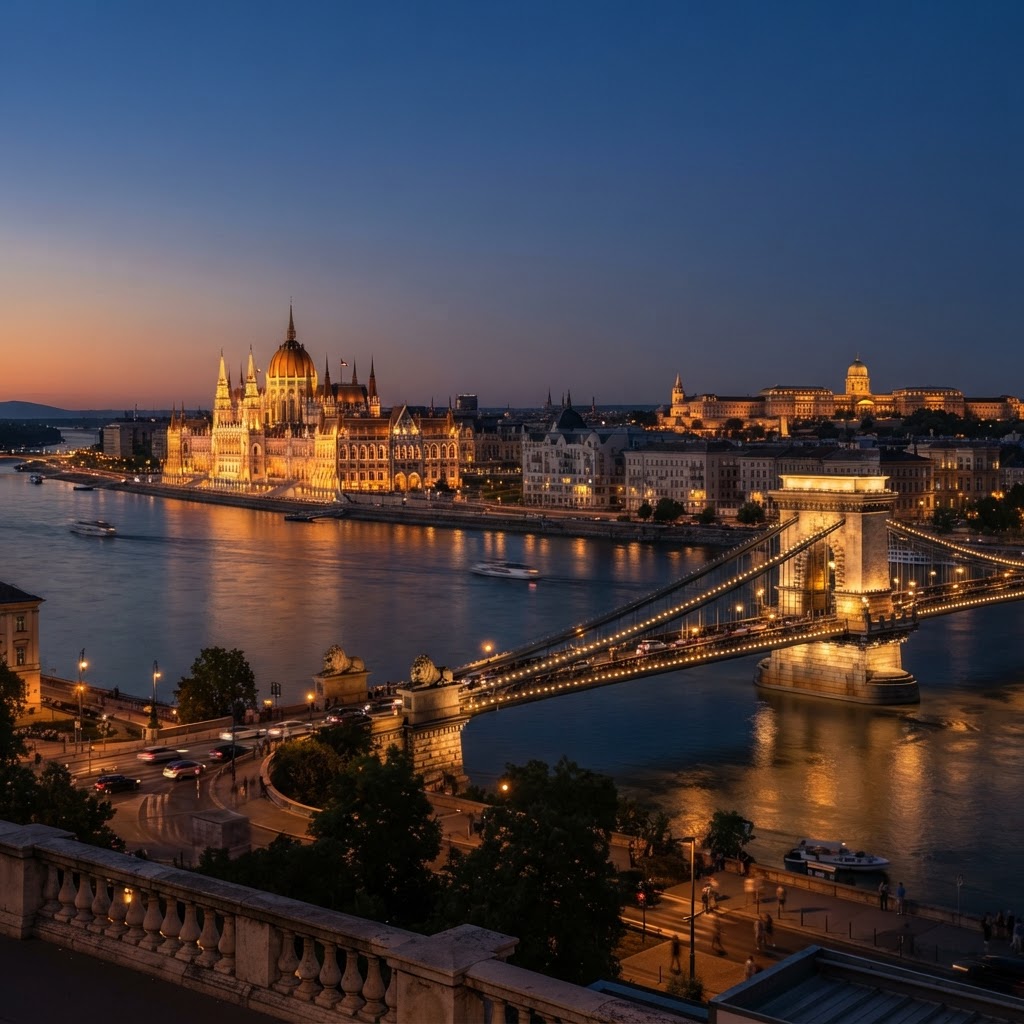
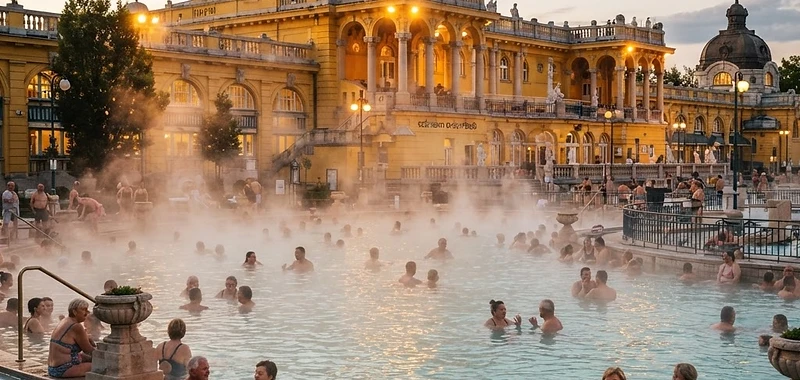
Thermal baths, grand architecture and the jewel of the Danube.
Hungary in Photos
Overview
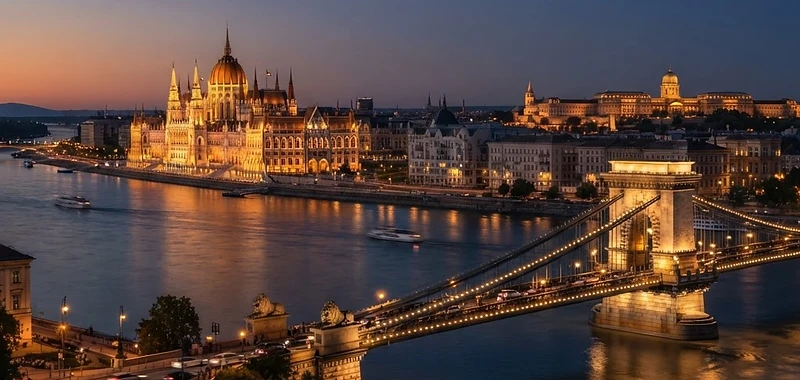
Hungary charms with Budapest — the Queen of the Danube — its parliament, thermal baths and ruin bars. Beyond the capital, Lake Balaton, Tokaj wine country and Eger's baroque streets await.
Top Attractions
- Budapest
Explore on the Map
Key locations and points of interest to help you visualize your journey.


Travel Information
Schengen visa applies. Best April–October. Budapest airport is well connected across Europe.
Travel Guide
Best Time to Visit
Hungary is a year-round destination, but the ideal time to visit depends on your preferences. Summer (June–August) is the peak tourist season, offering warm weather perfect for festivals and outdoor events, though temperatures can reach 35°C (95°F). For milder weather and fewer crowds, the shoulder seasons of spring (March–May) and autumn (September–October) are excellent choices. Spring brings blooming wildflowers, while autumn offers pleasant, balmy days. Winter is magical for those interested in Christmas markets and thermal baths, though it is colder and darker. Regardless of when you visit, booking ahead is recommended for major holidays and festivals to secure the best rates and availability.
Getting There
Hungary is highly accessible via air, land, and water. The primary gateway is Liszt Ferenc International Airport in Budapest, which serves numerous major international airlines. Other regional airports, such as Debrecen and Sármellék (near Lake Balaton), offer additional connectivity. For those traveling overland, Hungary is well-integrated into the European rail network, with international trains requiring seat reservations. Bus services like FlixBus provide affordable cross-border options. If arriving by car, the country features a well-maintained highway system (marked with 'M') connected to the European road network. Always verify entry requirements, as Hungary shares borders with several countries, and ensure your travel documents are valid for at least three months beyond your planned departure date.
Getting Around
Budapest boasts a robust and reliable public transportation system, including buses, trams, trolleybuses, and a metro network. Tickets must be validated immediately upon boarding or entering stations to avoid fines. Outside the capital, trains are the most efficient way to travel between major cities, while buses serve smaller towns. For rural exploration, such as the Tokaj wine region or Lake Balaton, renting a car offers the most flexibility as public transit frequency decreases outside urban hubs. Ride-hailing apps and reputable taxi companies are recommended over street-hailed cabs to ensure fair pricing. Walking is highly feasible and encouraged in city centers, where many historical sites are concentrated within compact, pedestrian-friendly areas.
Weather & Climate
Hungary experiences a continental climate with four distinct seasons. Summers are hot, often reaching 30°C–35°C, so pack lightweight, breathable clothing and sun protection. Spring and autumn are mild, with temperatures ranging from 7°C to 20°C; layering is essential as weather can be unpredictable. Winters are cold and often snowy, with temperatures frequently dropping below freezing, requiring heavy coats, scarves, and sturdy, waterproof footwear. Regardless of the season, it is wise to carry an umbrella or raincoat. Always check local forecasts before your trip, as winter conditions can make rural roads slippery and challenging to navigate.
Currency & Costs
The official currency is the Hungarian Forint (HUF). While some tourist-oriented businesses may accept Euros, it is best to use Forints for better exchange rates. Credit and debit cards (Visa and Mastercard) are widely accepted in shops, restaurants, and hotels, though carrying some cash is advisable for smaller purchases or markets. Use official bank ATMs to withdraw cash and avoid street-side currency exchange kiosks to prevent fraud. Hungary is generally considered an affordable destination compared to Western Europe, but costs vary significantly between Budapest and rural areas. Always notify your bank of your travel plans to avoid card blocks and keep a small amount of cash as a backup.
Language
The official language is Hungarian, which is known for being unique and challenging for English speakers. However, English is widely spoken in tourist areas, hotels, restaurants, and by younger generations in major cities. Learning a few basic phrases such as 'Szia' (Hello/Goodbye), 'Köszönöm' (Thank you), and 'Kérem' (Please) is greatly appreciated by locals and can enhance your travel experience. In rural areas, English proficiency may be lower, so having a translation app or a small phrasebook can be helpful. Most signage in Budapest is bilingual or intuitive, making navigation relatively straightforward for international visitors.
Safety Tips
Hungary is generally a safe country for travelers, though standard precautions should be taken. Petty crime, such as pickpocketing, can occur in crowded tourist hotspots, public transport hubs, and train stations. Stay vigilant, keep your belongings secure, and avoid displaying valuables. Use reputable taxi services or ride-hailing apps rather than hailing cabs on the street. In case of emergencies, the general European emergency number is 112. It is highly recommended to purchase comprehensive travel insurance that covers medical emergencies and theft. While there are no specific health risks, ensure you have your routine vaccinations up to date. Always follow local laws and stay informed about your surroundings, especially when traveling at night.
Food & Drink
Hungarian cuisine is hearty, flavorful, and heavily influenced by paprika. Must-try dishes include Goulash (a rich meat soup), Chicken Paprikash, and Lángos (deep-fried dough topped with garlic, sour cream, and cheese). For dessert, don't miss Dobos Torte or Kürtőskalács (chimney cake). Dining etiquette is similar to other European countries; tipping around 10% is customary if a service charge is not already included. Budapest offers a diverse dining scene ranging from affordable street food and traditional 'étkezde' (lunch canteens) to high-end fine dining. The country is also famous for its wine, particularly the sweet Tokaji Aszú and robust reds from Villány. Tap water is safe to drink throughout the country.
Local Culture & Customs
Hungarians are generally proud of their rich history and cultural heritage. When visiting churches or religious sites, dress modestly by covering your shoulders and knees. Social etiquette is formal; a firm handshake is the standard greeting. Photography is generally permitted in public spaces, but always ask for permission before taking photos of individuals or inside private establishments. Tipping is expected in restaurants and for services like taxis. Hungarians value punctuality, and it is polite to be on time for appointments. Be mindful of noise levels in residential areas and on public transport. Understanding the local history, including the significance of various national holidays, can provide deeper insight into the local mindset.
Practical Information
U.S. citizens and many other travelers do not need a visa for stays up to 90 days. Hungary uses Type C and F electrical plugs (standard European two-pin), so bring an adapter if your devices use different plugs. The voltage is 230V. Shopping hours are generally 10:00 AM to 8:00 PM in malls, though smaller shops may close earlier. Internet access is excellent, with free Wi-Fi available in most cafes and hotels; purchasing a local SIM card is an affordable way to stay connected. Tipping is standard practice, usually 10% in restaurants. Always carry your passport or a copy of it, as you may be asked for identification by authorities.
FAQ
Do I need a visa to visit Hungary?
U.S. citizens and many other nationalities do not require a visa for tourist stays of up to 90 days within a 180-day period.
Is Hungary expensive for tourists?
Hungary is generally considered affordable compared to many Western European countries, though prices in Budapest are higher than in rural areas.
Is it safe to use public transport in Budapest?
Yes, the public transport system is safe and reliable, but be vigilant against pickpockets in crowded areas and always validate your ticket.
Can I use my credit card everywhere?
Major credit cards like Visa and Mastercard are widely accepted in cities, but it is wise to carry some cash for small shops and markets.
What is the best way to get from the airport to the city center?
You can use the airport shuttle bus, public bus lines, or pre-booked taxis/ride-hailing apps for a convenient transfer to Budapest city center.