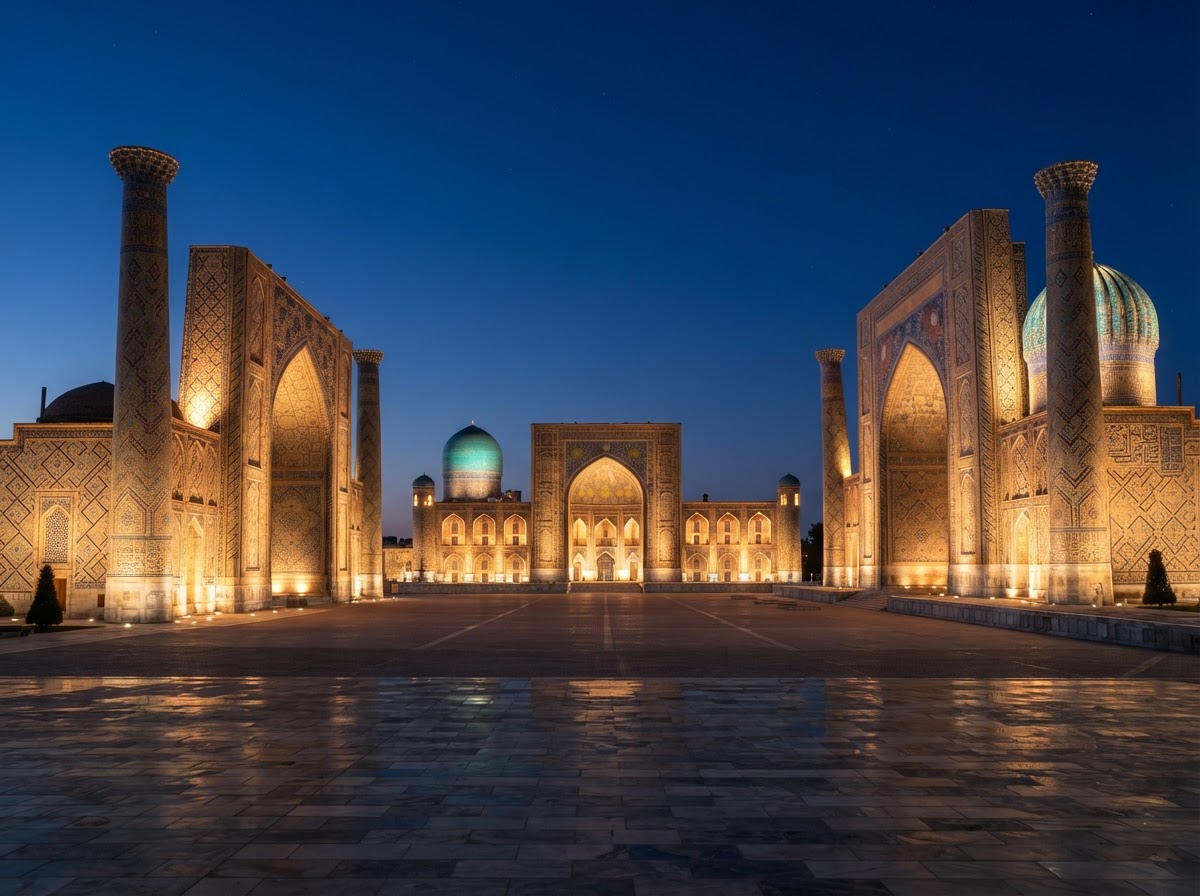
Georgia
Caucasus peaks, wine country and Black Sea coast.
Georgia in Photos



Overview
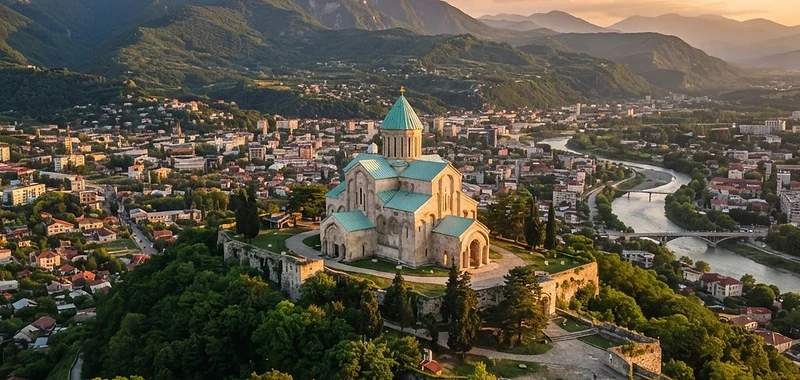
Georgia is a compact Caucasus gem where snow-capped mountains meet ancient vineyards and the Black Sea. Tbilisi's charming old town of carved balconies and sulfur baths sits below a modern skyline, while the Caucasus peaks of Kazbegi and the wine region of Kakheti offer dramatic landscapes and 8,000 years of winemaking. With legendary hospitality, unique cuisine, and one of the world's oldest Christian cultures, Georgia delivers remarkable variety within easy reach.
Top Attractions
- Tbilisi
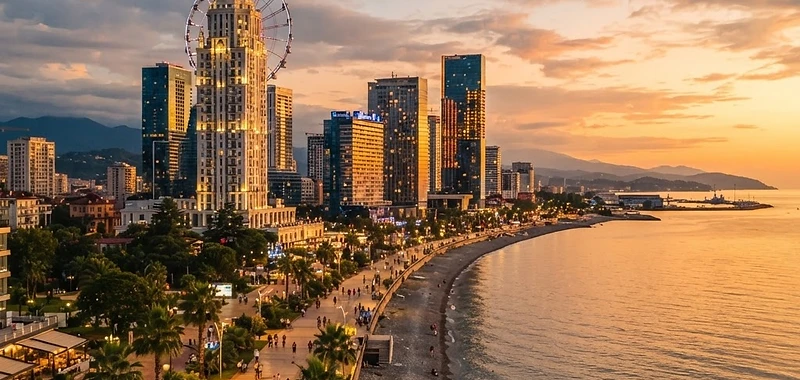
- Batumi
- Kazbegi
Explore on the Map
Key locations and points of interest to help you visualize your journey.


Travel Information
Visa-free for most nationalities for up to 1 year. Best time to visit: May–June and September–October. Currency: Georgian Lari (GEL). Georgian and Russian widely spoken; English increasingly common. Tbilisi Shota Rustaveli International Airport (TBS) is the main hub. Very safe and tourist-friendly. Tap water is safe in cities.
Travel Guide
Best Time to Visit
The ideal time to visit Georgia is during the shoulder seasons of May–June and September–October. These months offer mild, comfortable temperatures perfect for exploring Tbilisi or hiking in the Caucasus Mountains. September and October are particularly special, coinciding with 'rtveli,' the traditional grape harvest, which is a cultural highlight in the Kakheti wine region. July and August are peak months for beach lovers heading to the Black Sea and for high-altitude trekking, though temperatures in cities can be quite hot. Winter (December–March) is the premier season for skiing in resorts like Gudauri and Bakuriani, offering excellent value compared to European alternatives. Travelers seeking fewer crowds and lower prices should consider the transition months of April or November, which provide a more intimate experience of local culture.
Getting There
Georgia is well-connected internationally, with Tbilisi International Airport (TBS) serving as the primary gateway, followed by Kutaisi (KUT) and Batumi (BUS). Major international airlines operate frequent flights to Tbilisi, while Kutaisi is a hub for budget carriers. For those traveling overland, Georgia shares borders with Armenia, Azerbaijan, Turkey, and Russia. Travelers should note that border regulations can change, so it is essential to check current entry requirements before planning land crossings. Once in the country, the infrastructure is developing, and major cities are linked by a network of roads. Visitors should ensure their passport is valid for the duration of their stay and check if they require an e-Visa or are eligible for visa-free entry based on their nationality.
Getting Around
Getting around Georgia is an adventure in itself. The most common form of public transport is the 'marshrutka' (minibus), which connects almost every town and village at an affordable price, though they can be crowded and lack fixed schedules. For more comfort, ride-hailing apps like Bolt are widely available in major cities like Tbilisi and Batumi and are highly recommended for safety and transparency. Car rental is a popular option for those wanting to explore remote mountain regions like Svaneti or Kazbegi, though mountain roads can be challenging and require experience. Trains operate on key routes, such as the Tbilisi-Batumi line, offering a comfortable and scenic alternative. Walking is the best way to explore the historic centers of Tbilisi and Sighnaghi, though be prepared for hilly terrain.
Weather & Climate
Georgia’s climate is diverse due to its varied topography, ranging from subtropical coastal areas to alpine mountain peaks. Summers are generally hot, with temperatures often exceeding 30°C in lowlands, while winters are cold, especially in the mountains where heavy snow is common. Spring and autumn are mild and pleasant, though rain is possible. When packing, layering is essential regardless of the season. For summer, bring lightweight, breathable clothing and sun protection. For spring and autumn, include a waterproof jacket and comfortable layers for fluctuating temperatures. If visiting in winter or heading to the high mountains, pack heavy thermal layers, a warm coat, gloves, and sturdy, waterproof boots. Always check local forecasts, as mountain weather can change rapidly and unexpectedly.
Currency & Costs
The official currency is the Georgian Lari (GEL). While credit cards are widely accepted in hotels, restaurants, and shops in major cities, it is essential to carry cash when traveling to rural areas, small guesthouses, or local markets. ATMs are readily available in urban centers, but they may be scarce in remote regions. It is advisable to exchange money at official banks or exchange bureaus rather than at the airport for better rates. Georgia is generally an affordable destination, with a daily budget for mid-range travelers typically ranging from $50 to $100 USD, covering accommodation, meals, and transport. Always inform your bank of your travel plans to avoid card blocks and keep a small reserve of cash for emergencies.
Language
The official language is Georgian, a unique Kartvelian language with its own ancient script. While Georgian is the primary language, English proficiency is generally high among the younger generation and those working in the tourism and hospitality sectors in major cities. Russian is also widely understood by older generations. Learning a few basic phrases in Georgian, such as 'gamarjoba' (hello) and 'madloba' (thank you), is highly appreciated by locals and can significantly enhance your travel experience. In rural areas, English speakers may be harder to find, so having a translation app or a small phrasebook can be very helpful. Georgians are known for their hospitality and will often go out of their way to assist visitors, even if there is a language barrier.
Safety Tips
Georgia is generally considered a safe destination for travelers, with low rates of violent crime. However, visitors should exercise standard precautions, such as avoiding walking alone in poorly lit areas at night and keeping a close watch on personal belongings in crowded tourist spots. It is advised to avoid the occupied regions of Abkhazia and South Ossetia due to security concerns. Emergency services can be reached by dialing 112. Health-wise, it is recommended to drink bottled or filtered water rather than tap water. Travel insurance that covers medical emergencies and high-altitude activities is strongly recommended. While the country is welcoming, social attitudes toward certain groups may differ from Western norms, so it is wise to remain discreet and respectful of local customs.
Food & Drink
Georgian cuisine is a highlight of any trip, famous for its bold flavors and ancient winemaking traditions. Must-try dishes include 'khachapuri' (cheese-filled bread), 'khinkali' (spiced meat or vegetable dumplings), and 'pkhali' (vegetable pâtés). Georgia is one of the world's oldest wine regions, and tasting wine fermented in traditional 'qvevri' (clay vessels) is a must. Dining etiquette is centered around the 'supra' (feast), where guests are expected to enjoy generous portions and participate in toasts led by a 'tamada' (toastmaster). Budget dining is easy to find at local bakeries and small cafes, while fine dining in Tbilisi offers sophisticated takes on traditional recipes. Tipping is not mandatory but rounding up the bill or leaving 5–10% is appreciated for good service.
Local Culture & Customs
Georgian culture is deeply rooted in hospitality, family, and tradition. When visiting religious sites, both men and women should dress modestly, covering shoulders and knees; women may be required to cover their heads with a scarf. Photography is generally permitted, but always ask for permission before taking photos of people, especially in rural areas or inside churches. Social etiquette is important; when invited to a home, it is customary to bring a small gift. Georgians are proud of their history and heritage, and showing interest in their traditions is a great way to connect with locals. Be aware that public displays of affection are less common, and it is best to maintain a respectful demeanor in public spaces.
Practical Information
Georgia offers a generous visa-free policy for many nationalities, but always verify your specific requirements via the official e-Visa portal before departure. The electrical system uses Type C and F plugs with a voltage of 220V, so bring an adapter if necessary. Tipping is appreciated but not strictly required; rounding up is common. Shopping hours in cities are generally long, with many supermarkets open 24/7. Internet access is excellent, with widespread Wi-Fi in cafes and hotels; purchasing a local SIM card at the airport or in town is the most cost-effective way to stay connected. Always carry your passport or a copy of it, as you may need it for identification when checking into accommodation or changing money.
FAQ
Do I need a visa to visit Georgia?
Many nationalities can enter Georgia visa-free for up to a year. However, you should check the official e-Visa portal to confirm your specific country's requirements before traveling.
Is it safe to drink tap water in Georgia?
While tap water is generally safe in many areas, it is recommended that travelers stick to bottled or filtered water to avoid any potential stomach issues.
What is the best way to get around the country?
For city travel, use ride-hailing apps like Bolt. For intercity travel, marshrutkas are cheap but basic; for more comfort, consider hiring a private driver or renting a car.
Is Georgia expensive for tourists?
Georgia is considered a very affordable destination. You can enjoy high-quality food, wine, and accommodation on a modest daily budget compared to most European countries.
What should I wear when visiting churches?
Modesty is key. Women should cover their heads and shoulders, and both men and women should ensure their legs are covered. Scarves are often provided at the entrance of popular churches.
FAQ
Do I need a visa for Georgia?
Most nationalities can enter visa-free for up to 365 days. Check the official Ministry of Foreign Affairs list before travel.
What is Georgian cuisine known for?
Khachapuri (cheese-filled bread), khinkali (juicy meat dumplings), and churchkhela (nut-and-fruit candy). Georgia is also the cradle of wine, with 8,000+ years of tradition.
Is Georgia safe for tourists?
Yes — Georgia is one of the safest countries in the region with very low crime rates and famously hospitable people.
What is the best way to travel around Georgia?
Trains connect major cities; marshrutkas (shared minibuses) go everywhere. For mountain regions like Kazbegi, a private car or tour is recommended.
Popular Tours

Almaty Adventure — 6 Days 5 Nights
An unforgettable 6 Days / 5 Nights adventure in Almaty, Kazakhstan — majestic mountains, crystal-clear lakes, exciting excursions and incredible city experiences. Kok Tobe, Medeo & Shymbulak, Charyn Canyon, Kolsai Lake and Alma-Arasan Gorge.

Discover the Beauty of Azerbaijan — 6 Days 5 Nights
5 Nights / 6 Days of nature, culture & adventure across Azerbaijan — Gabala, Shahdag, Baku City Tour, Absheron (Fire Mountain & Ateshgah), and Gobustan (petroglyphs & mud volcanoes). All-inclusive from $530 per person.

Georgia Unforgettable — 6 Days 5 Nights
An unforgettable 6 Days / 5 Nights Georgia tour — Tbilisi, Gudauri & Kazbegi, Gergeti Trinity Church, Ananuri Fortress, Mtskheta & Jvari, Sighnaghi & Kakheti wine region. 4-star hotel, private transport, English-speaking guide.