Estonia
Medieval charm, digital society and Baltic Sea islands.
Overview
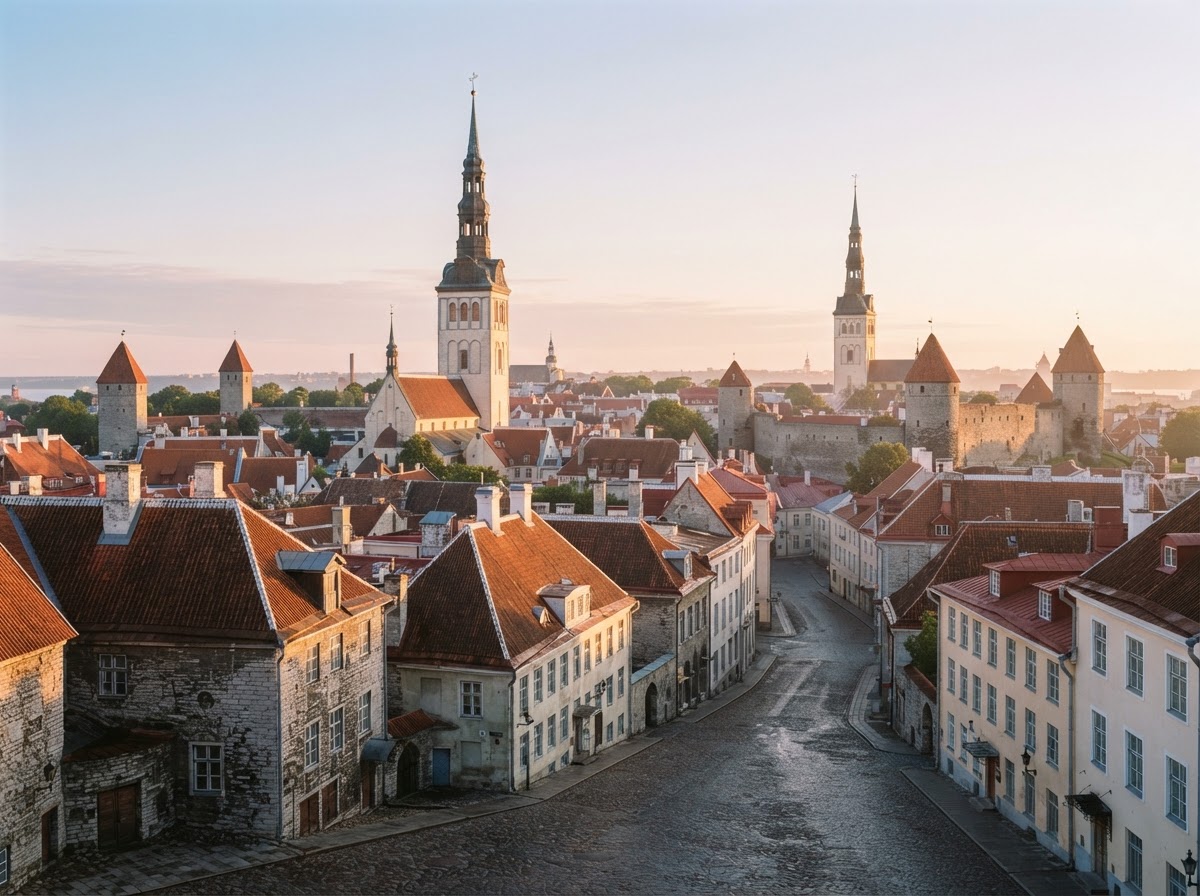
Estonia pairs UNESCO-listed Tallinn with serene islands, bogs and a forward-thinking culture.
Top Attractions
- Tallinn
- Tartu
- Pärnu
- Saaremaa
Explore on the Map
Key locations and points of interest to help you visualize your journey.



Travel Guide
Best Time to Visit
The best time to visit Estonia is from late May to early September, when the weather is mild and daylight hours are at their peak. June and July are particularly magical, featuring the famous 'White Nights' where the sun barely sets, allowing for extended exploration of medieval cities and pristine nature. Summer is the peak season for festivals, beach activities, and outdoor adventures. For those looking to avoid crowds, the shoulder months of May and September offer pleasant conditions. Winter, while cold and dark, transforms the country into a snowy wonderland, perfect for those interested in cozy saunas, Christmas markets, and unique seasonal experiences like the 'fifth season' of flooding in Soomaa National Park.
Getting There
Estonia is well-connected to the rest of Europe. The primary gateway is Tallinn Airport (TLL), which serves major European carriers and budget airlines with frequent connections to hubs like Helsinki, Riga, and Stockholm. For travelers arriving from Finland, a popular and scenic option is the ferry across the Gulf of Finland, which takes approximately two hours. Overland travel is also convenient, with international bus services like Lux Express connecting Tallinn to neighboring Latvia and Lithuania. While there are no direct long-haul flights from outside Europe, travelers can easily connect through major continental hubs. Once in the region, the country's compact size makes it an accessible destination for multi-country Baltic itineraries.
Getting Around
Getting around Estonia is efficient and straightforward. The country boasts a reliable intercity bus network that connects major towns like Tallinn, Tartu, and Pärnu affordably. Trains are available for specific routes, such as the popular Tallinn-Tartu line. Within Tallinn, public transport includes trams, buses, and trolleys; visitors should note that free public transport is for residents only, so tourists should purchase a travel card or use contactless payment. Ride-hailing services like Bolt are widely available, affordable, and highly recommended for late-night travel or reaching remote areas. Car rental is an excellent option for those wishing to explore Estonia’s national parks and islands at their own pace, as the road infrastructure is well-maintained and traffic is generally light outside the capital.
Weather & Climate
Estonia experiences a temperate climate with four distinct seasons. Summers (June–August) are mild and pleasant, with average temperatures ranging from 15°C to 20°C, though heatwaves can occur. Winters (December–March) are cold and often snowy, with temperatures frequently dropping below freezing. Spring and autumn are transitional, often cool and damp. Packing requires a layered approach: bring breathable, light clothing for summer, including a light jacket for cooler evenings. For winter, high-quality thermal layers, a heavy waterproof coat, insulated boots, a hat, and gloves are essential. Regardless of the season, carrying a compact umbrella or a waterproof shell is wise, as rain showers can occur unexpectedly throughout the year.
Currency & Costs
The official currency of Estonia is the Euro (€). Estonia is a highly digital society, and card payments are accepted almost everywhere, from high-end restaurants to small market stalls and even public transport. While cash is rarely needed, it is useful to carry a small amount for emergencies or remote rural areas. ATMs are widely available in cities and towns. Tipping is not mandatory but appreciated; rounding up the bill or leaving 5-10% for exceptional service in restaurants is standard practice. A typical daily budget for a mid-range traveler, including accommodation, meals, and activities, ranges from €80 to €130, though budget travelers can manage on less by utilizing public transport and local eateries.
Language
The official language is Estonian, a Finno-Ugric language that is distinct from its Baltic neighbors. However, English proficiency is exceptionally high, especially among younger generations and those working in the tourism and hospitality sectors in Tallinn and other major hubs. You will find that most menus, signs, and public information are available in English. While not required, learning a few basic phrases like 'Tere' (Hello) and 'Aitäh' (Thank you) is greatly appreciated by locals and considered a polite gesture. Russian is also spoken by a significant portion of the population, particularly in the eastern regions, but English remains the primary language for international visitors.
Safety Tips
Estonia is a very safe destination for travelers, consistently maintaining a low crime rate. The U.S. Department of State generally advises exercising normal precautions, as there are no specific areas to avoid. Standard travel safety applies: be mindful of your belongings in crowded tourist areas like Tallinn’s Old Town to prevent petty theft. Emergency services can be reached by dialing 112. Health standards are high, and no specific vaccinations are required for entry. It is always recommended to have comprehensive travel insurance that covers medical emergencies and trip cancellations. Tap water is safe to drink throughout the country, and the overall political and social environment is stable and welcoming to international tourists.
Food & Drink
Estonian cuisine is a hearty blend of traditional Nordic, German, and Russian influences, focusing on seasonal, locally sourced ingredients. Must-try dishes include 'verivorst' (blood sausage), rye bread, pickled herring, and various wild mushroom or berry-based desserts. For a unique experience, try 'kama', a traditional flour mixture served with yogurt or milk. Dining in Estonia ranges from affordable, cozy cafes to world-class fine dining in Tallinn’s historic center. Tipping is appreciated but not expected; a 10% tip for good service is standard. When dining out, look for 'päevapakkumine' (daily specials) to save money during lunch hours. Don't miss the chance to try local craft beers or the famous Vana Tallinn liqueur, a sweet, spiced rum-based drink.
Local Culture & Customs
Estonian culture is deeply rooted in a connection to nature, with a strong emphasis on privacy, modesty, and efficiency. Estonians are generally reserved but friendly once a rapport is established. The sauna is a central pillar of local life and is considered a place for both physical and mental cleansing; if invited to a sauna, it is a significant cultural experience. Dress codes are generally casual and practical, though smart-casual is preferred for fine dining or theater. Photography is welcomed in public spaces, but always be respectful when taking photos of people or inside churches. Religious considerations are minimal as the country is largely secular, but traditional etiquette in sacred spaces should still be observed.
Practical Information
Estonia is part of the Schengen Area, so visa requirements depend on your nationality; check your local embassy for specific rules. The country uses Type F electrical plugs (230V), so bring an adapter if your devices use different standards. Internet connectivity is world-class, with free Wi-Fi available in almost all public spaces, cafes, and even in many forests. Buying a local SIM card is easy and affordable for those needing constant data. Shopping hours are generally 10:00 to 20:00, with supermarkets staying open later. Tipping is optional but polite. Remember that Estonia is a digital-first nation, so expect most services to be handled online or via contactless payment.
FAQ
Is Estonia expensive to visit?
Estonia is generally more affordable than Nordic countries but slightly pricier than some other Eastern European destinations. Mid-range travel is very manageable.
Do I need a visa to visit Estonia?
Citizens of many countries, including the US, Canada, and the UK, do not need a visa for short stays (up to 90 days) within the Schengen Area.
Is it easy to travel around Estonia without a car?
Yes, the intercity bus and train networks are excellent, making it easy to reach major cities and towns without needing to drive.
What is the best way to pay for things in Estonia?
Credit and debit cards are accepted almost everywhere. Contactless payment is the standard, and cash is rarely necessary.
Is English widely spoken?
Yes, English is widely spoken in cities and tourist areas, and most younger Estonians are fluent.