
Cyprus
The Mediterranean island where Greek mythology, Byzantine churches, and sun-soaked beaches create a perfect year-round escape.
Cyprus in Photos


Overview
Cyprus blends Greek and Turkish heritage with stunning Mediterranean coastline. From the divided capital Nicosia to the party town of Ayia Napa, ancient ruins in Paphos to the pine-forested Troodos Mountains, Cyprus offers something for every traveler.
Top Attractions
- Nicosia
- Limassol
- Paphos
- Ayia Napa
Explore on the Map
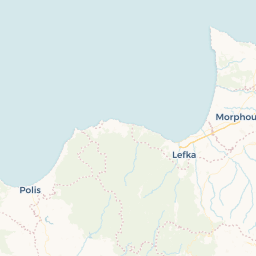
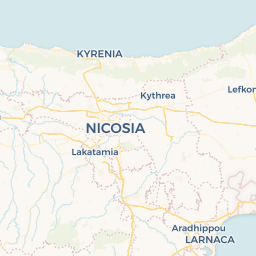
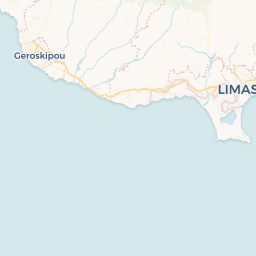
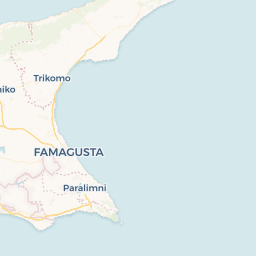
Key locations and points of interest to help you visualize your journey.


Travel Guide
Best Time to Visit
Cyprus enjoys over 300 days of sunshine annually, making it a year-round destination. The best time for a classic beach holiday is between May and October, when Mediterranean waters are warm and inviting. For outdoor enthusiasts, spring (March to May) and autumn (September to November) offer mild temperatures perfect for hiking the Troodos Mountains or exploring archaeological sites without the intense summer heat. Winter (December to March) is the off-peak season, ideal for budget travelers and those interested in skiing in the mountains or enjoying festive town square celebrations. While summer is peak season for sun-seekers, spring and fall provide the most comfortable climate for cultural exploration and festivals, balancing pleasant weather with fewer crowds.
Getting There
Cyprus is primarily accessed by air through two international airports: Larnaca (LCA), which handles the majority of international traffic, and Paphos (PFO), a popular hub for budget airlines. Major European and Middle Eastern carriers provide frequent connections to these gateways. There are currently no ferry services connecting Cyprus to other countries, making air travel the only viable entry method. Travelers arriving in the Republic of Cyprus should note that entry requirements vary for non-EU citizens, though EU/EEA and Swiss nationals can enter with a valid ID card or passport. While overland border crossings exist between the Republic of Cyprus and the northern part of the island, visitors should be aware of specific insurance and documentation requirements when crossing.
Getting Around
Cyprus lacks a rail or underground network, so visitors rely on buses, taxis, and rental cars. A comprehensive bus network connects major towns and rural areas, serving as the primary public transport. Taxis are widely available in all cities and resorts, though it is essential to ensure the meter is used. For maximum flexibility, renting a car is highly recommended, especially for exploring remote villages or the Troodos Mountains; however, remember that driving is on the left-hand side of the road. While urban centers are somewhat walkable, the island's geography and heat make motorized transport the preferred choice for most travelers. Ride-hailing apps are increasingly available, and tour-company coaches remain a popular, stress-free option for visiting major tourist attractions.
Weather & Climate
Cyprus features an intense Mediterranean climate characterized by long, hot, dry summers and mild, rainy winters. From mid-May to mid-September, temperatures frequently exceed 30°C, requiring lightweight, breathable clothing, high-SPF sunscreen, and hats. Spring and autumn are transitional periods with pleasant, moderate temperatures, perfect for layering. Winters, from November to mid-March, are cooler and more variable, with occasional rainfall; visitors during this time should pack medium-weight apparel and light woolens, especially for higher elevations where temperatures drop significantly. The central plains and eastern lowlands remain the sunniest regions, while the mountainous interior offers a cooler escape during the peak of summer. Always carry a reusable water bottle to stay hydrated in the dry heat.
Currency & Costs
The Republic of Cyprus uses the Euro (€), while Northern Cyprus uses the Turkish Lira. In the south, credit and debit cards are widely accepted in hotels, restaurants, and shops, though carrying cash is advisable for rural areas, small markets, and tipping. ATMs are plentiful in all major towns and tourist hubs. If you plan to visit the north, it is wise to carry both currencies, as the Lira is the official tender there, though Euros are sometimes accepted. Daily budgets vary significantly based on travel style; budget travelers can manage on modest daily amounts by utilizing local buses and eating at tavernas, while those seeking luxury resorts and fine dining should plan for higher expenditures.
Language
The official languages of Cyprus are Greek and Turkish. However, English is widely spoken and understood across the island, particularly in tourist areas, hotels, restaurants, and by younger generations, making it very easy for international travelers to navigate. While not strictly necessary, learning a few basic Greek phrases—such as 'kalimera' (good morning) or 'efcharisto' (thank you)—is greatly appreciated by locals and can enhance your cultural experience. Signage in major cities and tourist zones is typically provided in both Greek and English. In the northern part of the island, Turkish is the primary language, though English remains common in hospitality settings. Communication barriers are rarely an issue for visitors.
Safety Tips
Cyprus is generally considered a very safe destination with low crime rates. Visitors should exercise normal precautions, such as safeguarding valuables in crowded tourist areas and not leaving items unattended in rental cars. Emergency services can be reached by dialing 112 or 199. Health-wise, the primary concerns are sun exposure and dehydration; ensure you use adequate protection and drink plenty of water. Tap water is generally safe, though bottled water is preferred by many. It is highly recommended to purchase comprehensive travel insurance that covers medical emergencies and, if applicable, travel to the northern part of the island. Always follow the guidance of local authorities and stay informed via local news regarding any regional political developments.
Food & Drink
Cypriot cuisine is a delightful fusion of Mediterranean and Middle Eastern influences. A must-try experience is the 'meze,' a vast spread of small dishes including halloumi cheese, koupepia (stuffed vine leaves), souvlaki, and kleftiko (slow-cooked lamb). Dining is a social affair, and local tavernas offer an authentic atmosphere for enjoying fresh, seasonal ingredients. For a budget-friendly meal, opt for local street food like gyros or souvlaki wraps. Fine dining options are abundant in cities like Limassol and Nicosia, often featuring modern twists on traditional recipes. Don't forget to sample local wines, particularly the sweet Commandaria, and the traditional spirit, Zivania. Tipping is appreciated in restaurants, usually around 10% if a service charge is not already included.
Local Culture & Customs
Cypriot culture is defined by warm hospitality and a relaxed pace of life. Locals are generally welcoming, and social etiquette revolves around family and community. When visiting religious sites, such as monasteries or churches, modest dress is required—shoulders and knees should be covered. While the island is modern, traditional values remain strong, especially in rural villages. Photography is generally welcomed, but it is strictly forbidden to photograph military installations, political buildings, or border posts. Respecting these boundaries is essential. Coffee culture is a significant part of daily life, and taking time to sit at a local 'kafenio' is a great way to observe the local rhythm. Always ask for permission before taking photos of individuals.
Practical Information
Cyprus uses Type G electrical plugs (the same as in the UK), so bring an adapter if your devices use different standards. Shopping hours vary, with many shops closing on Sunday afternoons or all day, though tourist areas often remain open. Tipping is customary but not mandatory; rounding up the bill or leaving 5-10% is standard in restaurants. Internet access is excellent, with Wi-Fi available in most cafes and hotels; purchasing a local SIM card is an affordable way to stay connected. EU citizens do not need a visa, while others should check specific entry requirements based on their nationality. Always carry your passport, as it may be required for various services or when crossing between different parts of the island.
FAQ
Do I need a visa to visit Cyprus?
EU/EEA and Swiss citizens can enter with a valid ID or passport. Other nationalities should check the latest visa requirements with their local embassy before traveling.
Is it safe to drive in Cyprus?
Yes, but be aware that driving is on the left-hand side of the road. Roads are generally well-maintained, but exercise caution in mountainous areas.
Can I use my credit card everywhere?
Major credit cards are widely accepted in cities and tourist areas, but it is best to carry cash for small shops, rural villages, and tipping.
What is the best way to travel between cities?
Intercity buses are the most affordable public option, while renting a car offers the most flexibility and convenience for independent travelers.
Is the water safe to drink?
Tap water is generally safe, but many visitors prefer bottled water, which is widely available and inexpensive.
