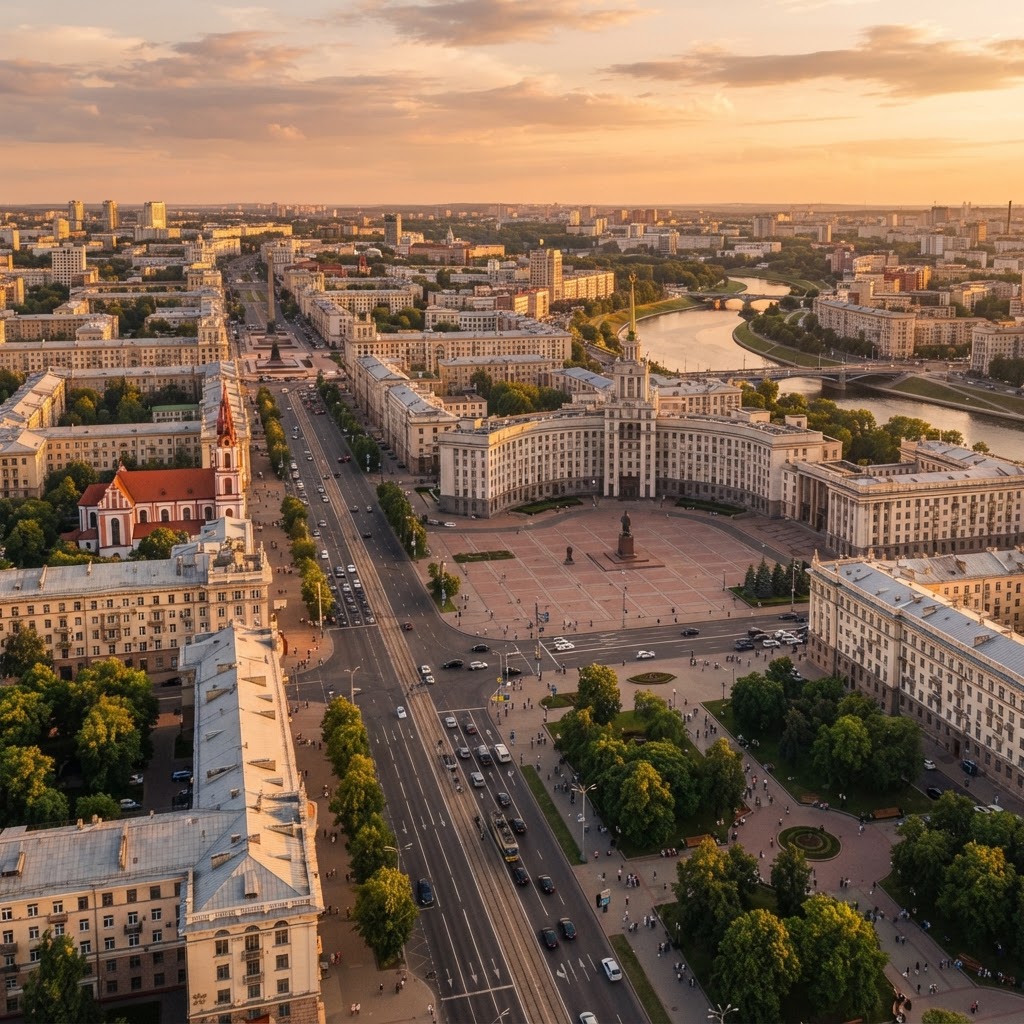
Belarus
A green, orderly land of grand avenues, Soviet-era monuments and deep forests.
Belarus in Photos


Overview
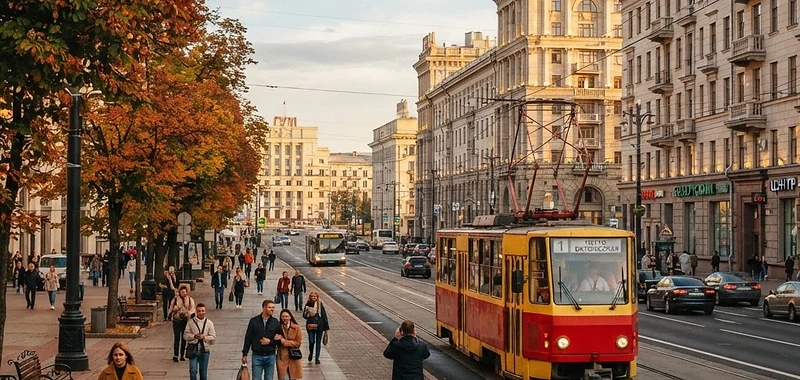
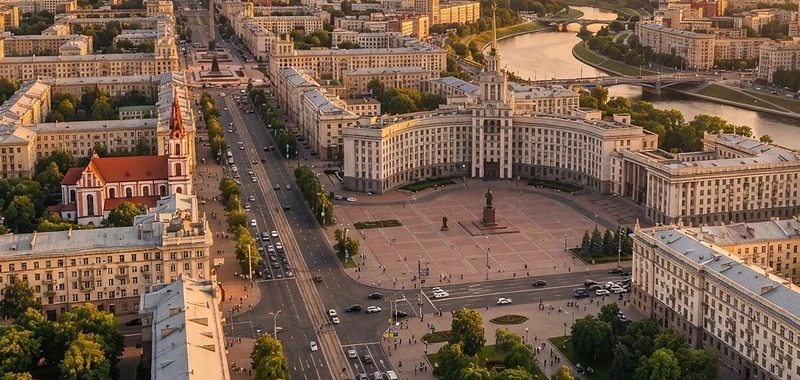
Belarus surprises visitors with clean, leafy cities, monumental neoclassical boulevards and a quiet, unhurried charm. Minsk is the vibrant heart, while castles, forests and memorials tell the story of a resilient nation.
Top Attractions
- Minsk
Explore on the Map
Key locations and points of interest to help you visualize your journey.


Travel Information
Visa-free entry for many nationalities for up to 30 days. Direct flights to Minsk. Best May–September.
Travel Guide
Best Time to Visit
The best time to visit Belarus is during the late spring (May) and early autumn (September), when the weather is mild and pleasant for city walks and countryside excursions. Summer (June to August) is the peak season, offering the warmest temperatures, averaging 20-25°C, and a vibrant calendar of festivals, including the famous Slavonic Bazaar in Vitebsk. Winter, while cold, offers a unique charm with snowy landscapes and festive markets, particularly around the New Year and Orthodox Christmas. Travelers should note that early December can be quite gloomy. Regardless of the season, Belarus rarely experiences extreme weather that hinders travel, making it a year-round destination for those prepared for the climate.
Getting There
Travel to Belarus is currently complex due to international travel advisories. Historically, the primary gateway is Minsk National Airport, though flight connections have been significantly restricted. Overland travel is possible via bus or train from neighboring countries like Poland, Lithuania, and Latvia, though border crossing requirements are strict and subject to change. Travelers must ensure they have the correct visa or meet visa-free entry requirements, along with valid medical insurance and proof of funds. It is essential to check the latest government travel advice before planning any journey, as entry conditions and border statuses can change at short notice. Always verify requirements with the nearest Belarusian embassy or consulate.
Getting Around
Getting around Belarus is generally efficient and reliable. The country boasts a well-developed public transport network, including trains and buses that connect Minsk to major regional towns and cities. Within Minsk, the metro system is clean, fast, and affordable. Taxis are widely available, and ride-hailing apps are commonly used for convenience. For those preferring flexibility, car rentals are available at the airport and in major cities, though travelers should be aware that major motorways are toll roads managed by the BelToll system. Walking is highly feasible in city centers, which are often pedestrian-friendly and feature well-maintained parks and historical sites. Public transit remains the most cost-effective way to explore the country.
Weather & Climate
Belarus features a moderate continental climate characterized by cool, humid winters and warm summers. January is the coldest month, with average temperatures ranging from -4.5°C to -8°C, often accompanied by snow. July is the warmest, with averages between +17°C and +18.5°C. Rainfall is distributed throughout the year, with about 70% occurring between April and October. When packing, visitors should prioritize layers. Winter requires heavy coats, thermal wear, gloves, and sturdy, waterproof boots to handle snow and ice. Spring and autumn call for medium-weight jackets, sweaters, and comfortable walking shoes, along with a reliable umbrella or raincoat. Summer visitors should pack light, breathable clothing but keep a light jacket handy for cooler evenings.
Currency & Costs
The official currency is the Belarusian ruble (BYN). While major credit cards like Visa and Mastercard are accepted in larger hotels and upscale restaurants in Minsk, the country's financial system faces international restrictions, making cash essential. It is highly recommended to carry euros, US dollars, or Russian rubles to exchange at local banks or official exchange offices. ATMs are available in public areas, but foreign card acceptance can be inconsistent; therefore, relying solely on cards is not advised. Always inform your home bank of your travel plans before departure. Daily budgets can vary, but Belarus remains relatively affordable for travelers who manage their cash carefully and utilize local dining options.
Language
The official languages of Belarus are Belarusian and Russian, with Russian being the most widely spoken in daily life and business. English proficiency is generally limited, particularly outside of major tourist hubs and younger generations in Minsk. Learning a few basic phrases in Russian, such as greetings and numbers, will significantly enhance your travel experience and interactions with locals. Most signage in cities is in Cyrillic, so having a translation app or a pocket dictionary is highly recommended. While hotel staff and employees in high-end tourist areas may speak some English, do not expect widespread fluency. Patience and non-verbal communication are valuable tools when navigating local markets or rural areas.
Safety Tips
Belarus generally has low crime rates, but travelers should maintain a high level of security awareness. The UK Foreign, Commonwealth & Development Office (FCDO) and other international bodies currently advise against all travel to Belarus due to the risk of arbitrary arrest and the unpredictable political climate. Visitors should avoid any involvement in political activities, as these can lead to detention. Always carry your original passport and visa, as authorities may request identification at any time. Avoid taking photographs of government buildings, military sites, or officials, as this is strictly prohibited. In case of emergency, ensure you have the contact details for your country's nearest embassy. Comprehensive travel insurance is mandatory and should be secured before departure.
Food & Drink
Belarusian cuisine is hearty, wholesome, and deeply rooted in agricultural traditions. Must-try dishes include 'draniki' (potato pancakes), often served with sour cream or mushroom sauce, and 'machanka' (a rich pork stew). Borscht and various cold soups are also staples. Dining etiquette is generally informal, but tipping 5-10% in restaurants is appreciated. For budget dining, look for 'stolovaya' (canteens) which offer affordable, traditional meals. Fine dining is available in Minsk, featuring both local delicacies and international cuisine. Do not miss out on local beverages, including kvass, a traditional fermented rye drink. When dining out, it is common to pay at the table, and while some places include service charges, rounding up the bill is a standard practice.
Local Culture & Customs
Belarusian culture is a blend of Slavic traditions and historical influences. Locals are generally reserved but hospitable. When visiting religious sites, dress modestly—shoulders and knees should be covered, and women may be expected to cover their heads. Social etiquette emphasizes politeness; it is customary to remove your shoes when entering a private home. Photography is generally welcomed in public parks and at tourist landmarks, but always exercise caution near government buildings or police stations. Traditional crafts, such as straw weaving and embroidery, are highly valued. During festivals, you may witness traditional folk music and dance, which are central to the national identity. Always respect local customs and avoid discussing sensitive political topics with strangers.
Practical Information
Visa requirements for Belarus are strict and can change at short notice; always check the latest regulations before booking. The country uses Type C and F electrical plugs (220V/50Hz), so bring a universal adapter. Tipping is not mandatory but is becoming more common in urban areas. Shopping hours are typically 9:00 AM to 9:00 PM in cities. Internet access is widely available in hotels and cafes, though some websites may be restricted. Purchasing a local SIM card is the most cost-effective way to stay connected. Always keep a digital and physical copy of your travel documents, including your migration card, which you receive upon entry. Remember that registration with local authorities may be required for stays exceeding five working days.
FAQ
Do I need a visa to visit Belarus?
Visa requirements depend on your nationality and the purpose of your visit. Always check the latest entry rules with the Belarusian embassy before traveling.
Is it safe to travel to Belarus right now?
Many governments currently advise against all travel to Belarus due to political instability and the risk of arbitrary detention.
Can I use my credit card in Belarus?
While some major cards are accepted in large hotels and restaurants, international financial sanctions mean you should rely primarily on cash.
What is the best way to get around the country?
Trains and buses are the most efficient and affordable ways to travel between cities, while the Minsk metro is excellent for local transit.
What should I pack for a trip to Belarus?
Pack layers for a continental climate, including a heavy coat for winter and comfortable walking shoes for exploring historical sites.